Diabetes in African women of child bearing age is on the rise
Diabetes is not only impacting adult women, children and adolescents become overweight earlier in life.
As more and more people experience a change in lifestyle, embracing the Western way of life as opposed to more traditional customs, they become more exposed to a number of chronic conditions and illnesses that were less of a threat in decades gone by.
According to Professor Andre Kengne, Director: Non-Communicable Diseases Research Unit at the South African Medical Research Council, ‘diabesity’ – the term for diabetes occurring in the context of obesity – is on the increase in Africa as a result of a growing overweight population and is the result of lifestyle changes, unhealthy food choices and a decrease in physical activity, and coupled to obesity comes the threat of related illnesses such as diabetes.

According to a recent research jointly conducted by the University of Cape Town, Non-Communicable Diseases Research Unit and Witwatersrand University, seven percent of African women aged 15 to 54 years are currently suffering from diabetes.
YOU MIGHT ALSO BE INTERESTED IN: Overweight? 10 tips to beat obesity once and for all
Diabetes is not only impacting adult women. As children and adolescents become overweight earlier in life, they are at an increased risk of developing several chronic illnesses including diabetes.
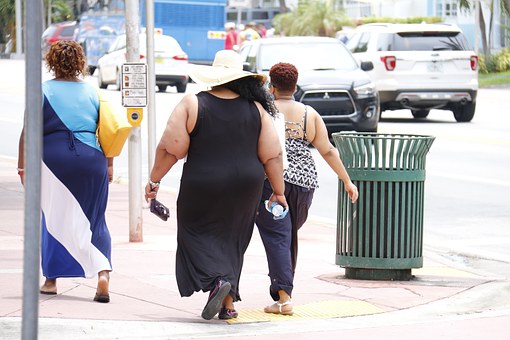
But what is particularly concerning, reveals Mr Kengne, is that over two thirds of diabetes cases in Africa remain undiagnosed and therefore untreated. In cases where treatment is received, the disease has often progressed too far down the line and the quality of care is not optimal.
To better manage diabetes, Mr Kengne says, both an improvement in the current knowledge of how to postpone the disease, and better still, to prevent the diseases from taking hold.
“At this stage, we are working on the first study dealing with prevention in a South African context,” he reveals.
Sadly however, little has been done in terms of education and prevention on the continent overall.
Mr Kegne says the recent introduction of a sugar tax in South Africa as a successful example of what can be done to reduce the incidence of obesity and chronic disease in Africa.
Early diagnosis is key, and to this end, there is a need for proactive action at all stages of an individual’s life cycle, says Kengne.

Obesity and related diabetes that presents early in life is far harder to manage, he points out. “Our mistake is to wait until people have already developed the disease, rather than using an approach which promotes healthy choices and will prevent it from developing in the first place.”
HAVE YOUR SAY
Like the South Coast Herald’s Facebook page, follow us on Twitter andInstagram
For news straight to your phone, add us on WhatsApp 082 421 6033