5 Reasons why you should consider planting an indigenous garden
An indigenous garden provides both interest - in the wildlife attracted to the plants - and beauty. Together with the low maintenance costs, this adds a lot of value to a home.
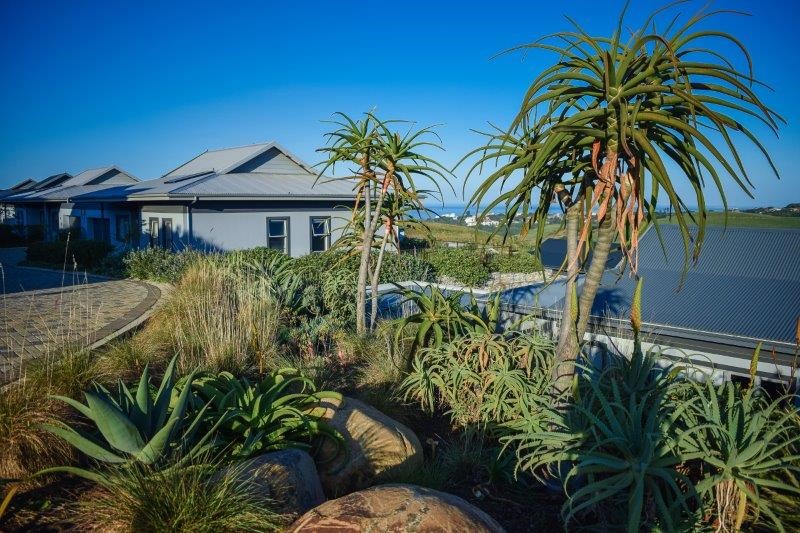
The concept of ‘planting indigenous’ has been around for quite some time but many homeowners find making the move to a completely indigenous garden somewhat daunting.
And while there might be some effort required initially, the results are incredibly worthwhile.
YOU MAY BE INTERESTED IN: Invasives and Natives: Pretty pushy plants and a rare native
South African landscaper and botanist, Elsa Pooley, forms part of the dynamic, green-fingered team at Renishaw Hills. They have been tasked with transforming the previously cultivated land at Renishaw Hills on the KwaZulu-Natal South Coast into an indigenous haven.
The mature lifestyle estate is situated within the ecologically-diverse Mpambanyoni Conservation Development which, for the past 150 years, has been cultivated for sugar cane.
Pooley and a team of conservationists are working tirelessly to return the area to its original coastal forest and wetlands state while establishing unique, indigenous gardens for each home on the estate.
“There are many misconceptions surrounding indigenous gardens, and sourcing indigenous plants is often quite difficult,” explained Elsa Pooley.
With a little bit of guidance, creating your own indigenous garden is easily done.
Here are Elsa Pooley’s top five reasons to plant indigenous:
1. Water-wise
Often people only consider planting indigenous during droughts but then this falls away when rains return. Indigenous plants are much hardier and require less water than their exotic counterparts. They do require some water but are much better adapted to local conditions.
2. Attracts birds and wildlife
Indigenous plants will attract butterflies, birds and a variety of wildlife to the garden. Even in winter, we’re seeing so many butterflies around. Using a variety of plants ensures a range of wildlife will be attracted to your garden.
3. Aesthetics
There is a misperception that indigenous plants aren’t colourful or pretty, and look too wild. This really isn’t true. With careful planning, one can find indigenous plants that bloom or fruit in every month of the year. Leaf colour and texture also helps to enhance the garden. Garden design will ensure either a structured or more natural garden. Most nurseries do not stock a large range of indigenous plants and often nursery staff are not familiar enough with these plants to be able to recommend them. This makes it an exciting challenge to go indigenous!
4. Low maintenance
Once the indigenous plants are established, they need very little attention. If there hasn’t been rain in a while, they might require some water and you can add fertiliser or compost but it’s certainly not essential. They have developed to withstand local conditions.
5. Value enhancing
It takes about three months (at the coast) for an indigenous garden to settle and fill out. Within a year, it can be well established. Trees will take more time to reach maturity. An indigenous garden provides both interest – in the wildlife attracted to the plants – and beauty. Together with the low maintenance costs, this adds a lot of value to a home.


Images by Keran Jaap.