June 26: On This Day in World History … briefly
Interesting historic snippets and facts taken from the book ‘On This Day’ first published in 1992 by Octopus Publishing Group Ltd, London.
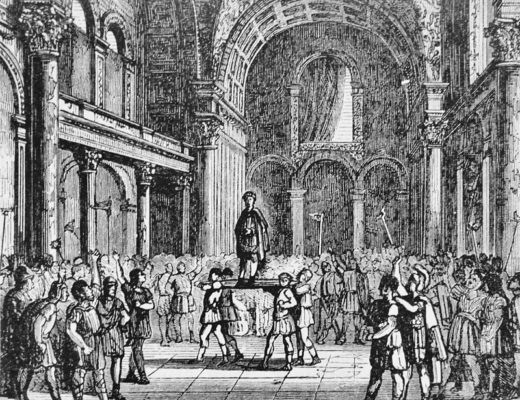
363AD: Roman emperor Julian the Apostate, the first non-Christian emperor since Constantine, dies of spear wounds inflicted during a battle with the Persians.
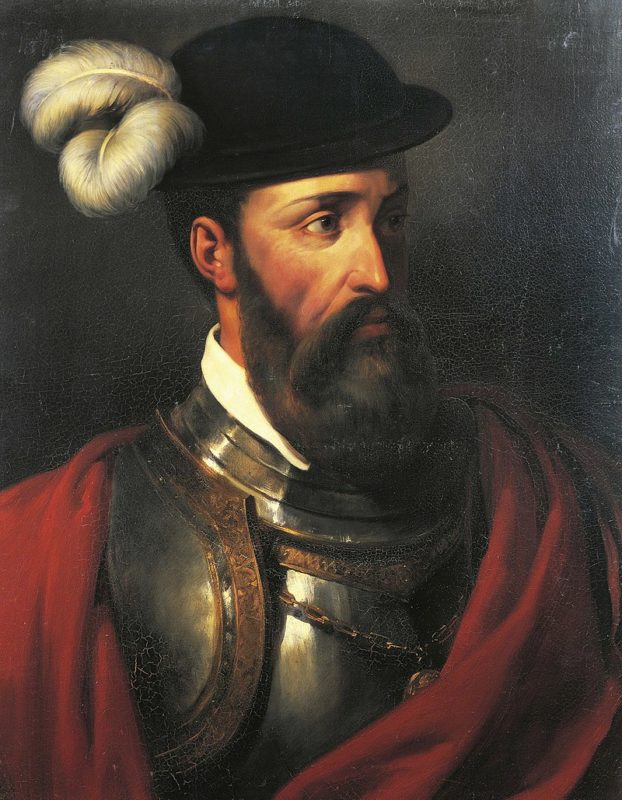
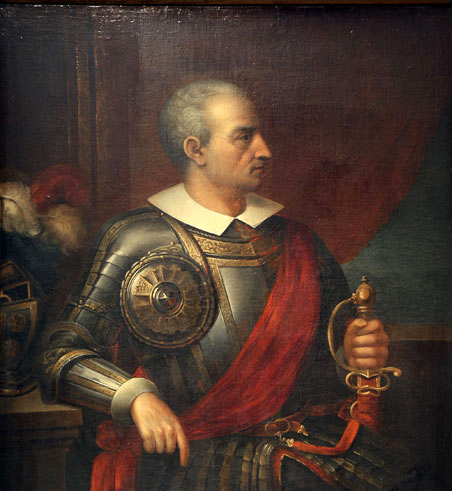
1541: Conquistador dies
The Spanish conqueror of Peru, Francisco Pizarro, was attacked and killed in his house in Lima. His assassins were followers of fellow adventurer Diego de Almagro, with whom Pizarro had quarrelled and whom he later had executed. Pizarro’s conquest of Peru was funded by the Spanish emperor Charles V. He will be remembered as a ruthless, ambitious and greedy man who played a major part in crushing the fabled Inca Empire.
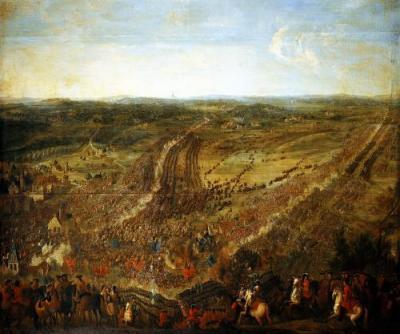
1794: The French defeat the Austrians at the Battle of Fleurus.
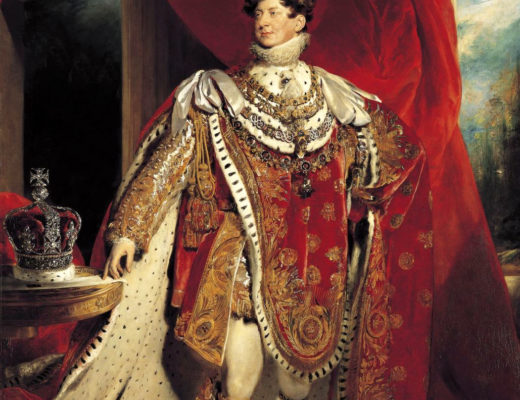
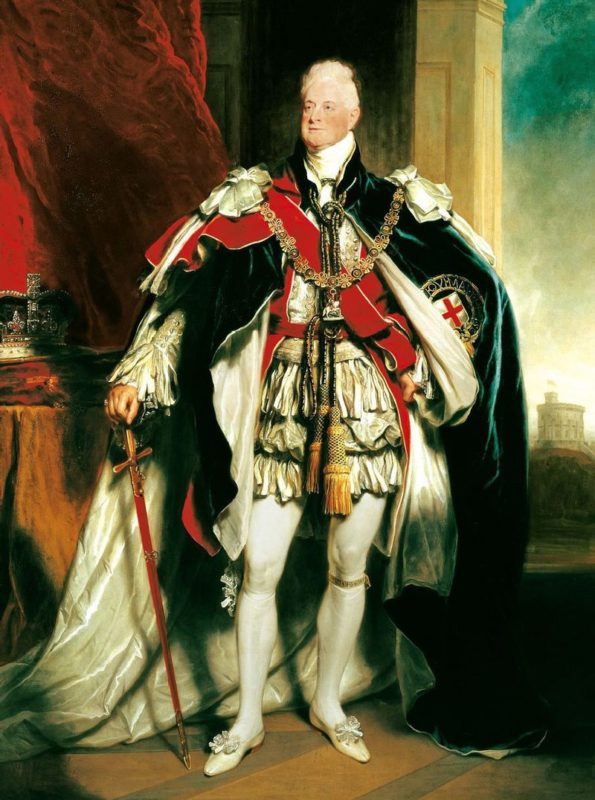
1830: King George IV of England dies and his brother William IV takes the throne.
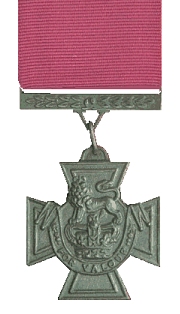
1857: The new military honour, the Victoria Cross, is awarded by Queen Victoria to 62 servicemen at a ceremony in Hyde Park, London.
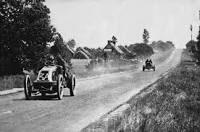
1906: The first Grand Prix is held at Le Mans.
1909: V&A opens its doors
The Victoria and Albert Museum opens its doors in south-west London. The history of this museum is interesting in itself. Originally called the Museum of Ornamental Art, it moved from Marlborough House to its present site in South Kensington in1857 to become part of a collective museum of science and art and the art collection have been formally separated and the new Victoria and Albert Museum now houses the art collection alone. There are pictures, drawings and objects of art of every description, with collections from all over the world, including Japan, China and Persia. There is also a whole section devoted to Indian art.
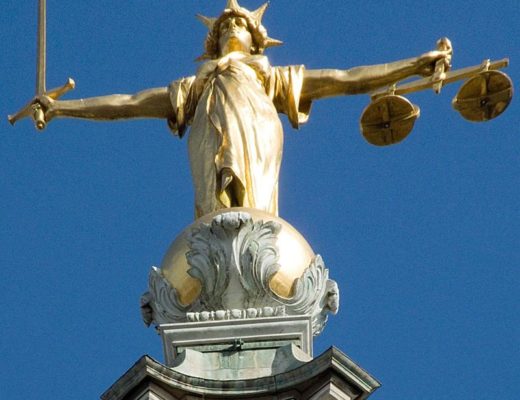
1913: Emily Dawson becomes the first female magistrate in London.
1917: Americans land to boost Allied hopes
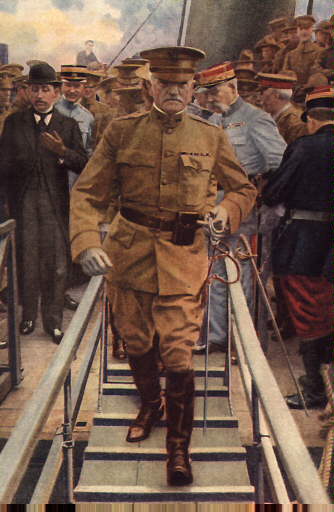
The first unit of American troops to land in France – an advance guard of 1 million – arrive in a French port and are met by escorting destroyers. No time was lost in unloading the stores. Negro labourers ran up and down gangways carrying tents, tinned meats, biscuits, coffee, sugar, etc. For obvious reasons, details of the arrival of General Pershing’s army in France were being kept secret. It was known however, that there would be a period of preparation before the American troops go to the battlefront.
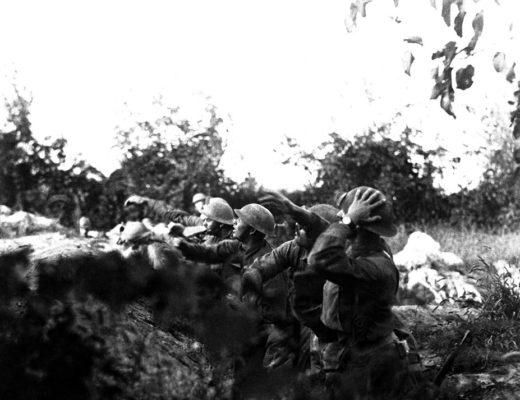
1930: Joseph Stalin announces that his murderous purges are ‘purifying’ the Soviet Union.
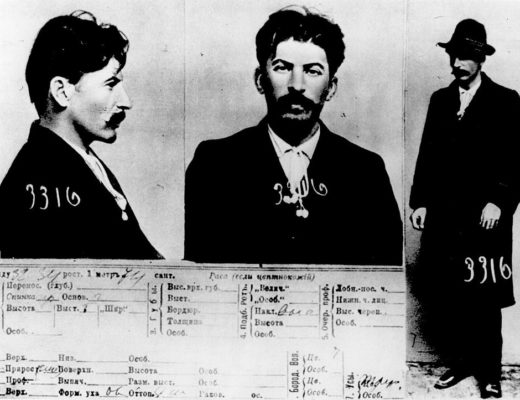
1939: Prolific British novelist Ford Madox Ford dies. During his lifetime he wrote 80 or more novels, books of criticism and memoirs, including ‘The Good Soldier’ and the tetralogy ‘Parade’s End’. He founded the ‘English Review’ and in Paris, the ‘Transatlantic Review’, publishing the early works of Joyce and Pound.
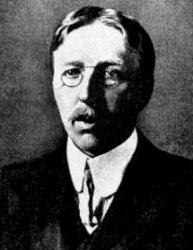
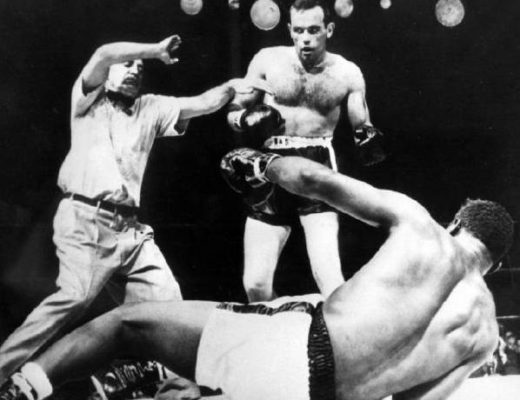
1959: Ingemar Johansson becomes the first Swedish heavyweight boxing champion when he knocks out Floyd Patterson in New York.
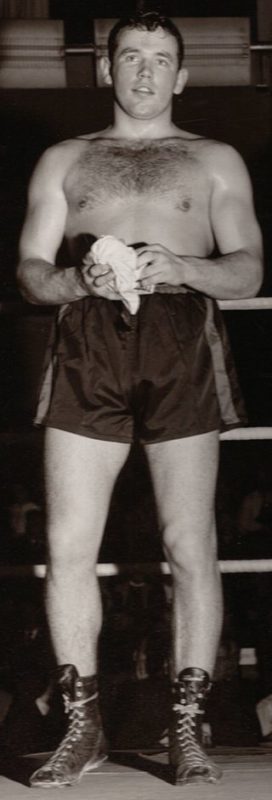
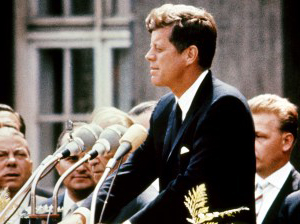
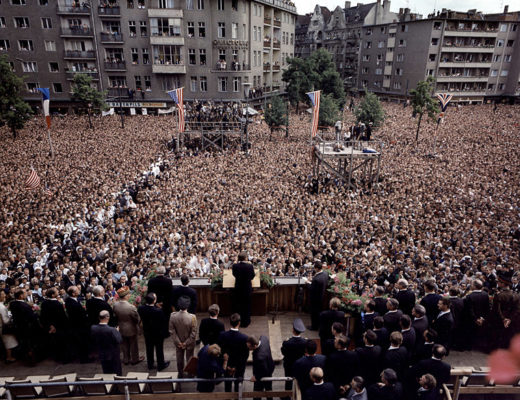
1963: JFK charms the socks off Berlin
A million and a quarter West Berliners turn out to give a tumultuous welcome to President Kennedy. It was a triumphant eight-hour tour during which the whole city was gripped by a frenzy of jubilation, the likes of which hadn’t been seen since the days of Hitler. Kennedy appeared confident and relaxed. Addressing the 120 000 strong crowd in Rathaus Square, he declared, “Two thousand years ago the proudest boast in the world was ‘civis Romanus sumi’. Today, in the world of freedom, the proudest boast is ‘Ich bin ein Berliner’.” He concluded his speech by saying “All free men, wherever they may live, are citizens of Berlin, and, therefore, as a free man, I take pride in the words ‘Ich bin ein Berliner’.
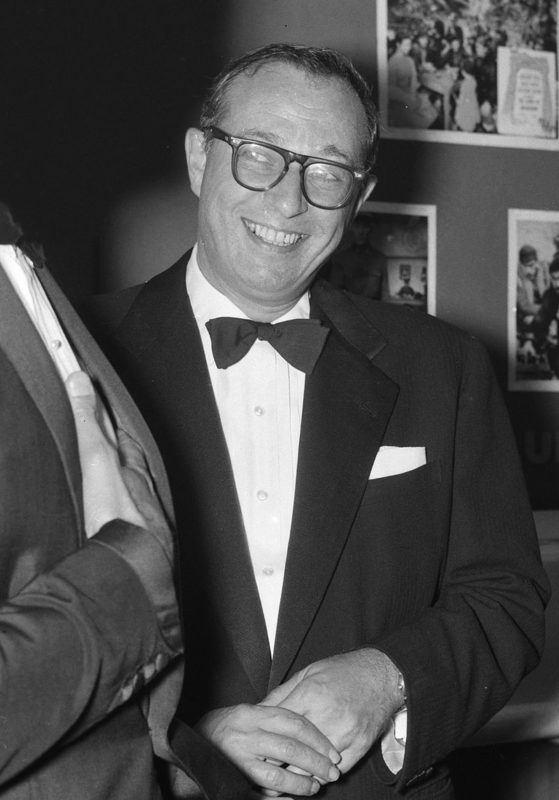
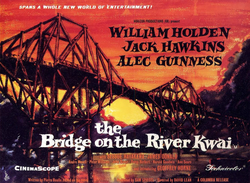
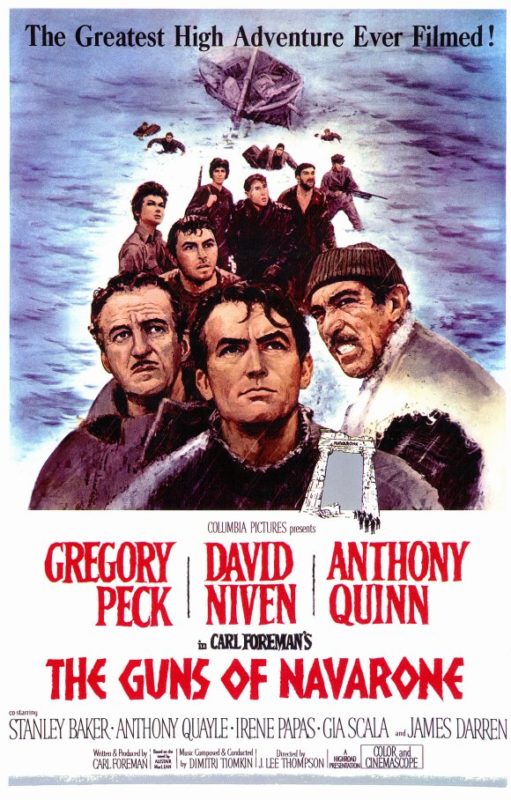
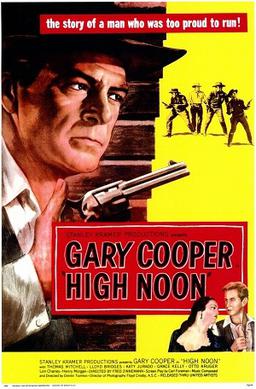
1984: Death of Carl Foreman, American writer, producer and director whose films include ‘The Bridge on the River Kwai’, ‘High Noon’ and ‘The Guns of Navarone’.
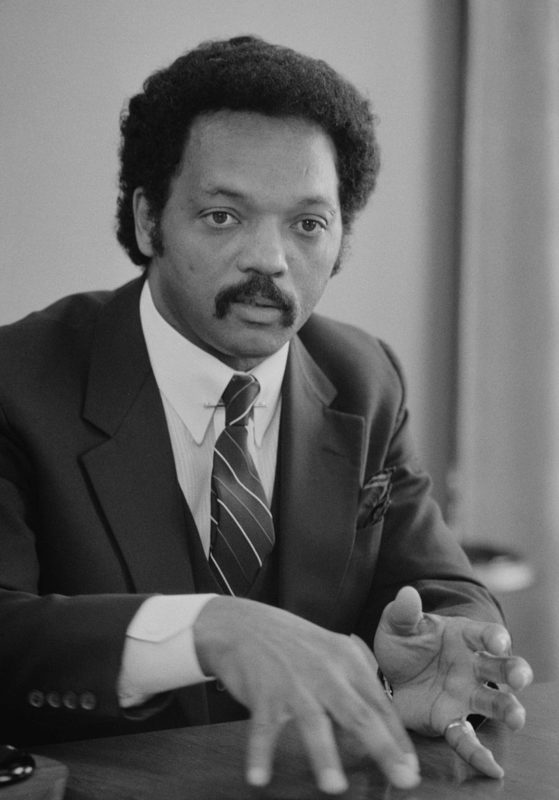
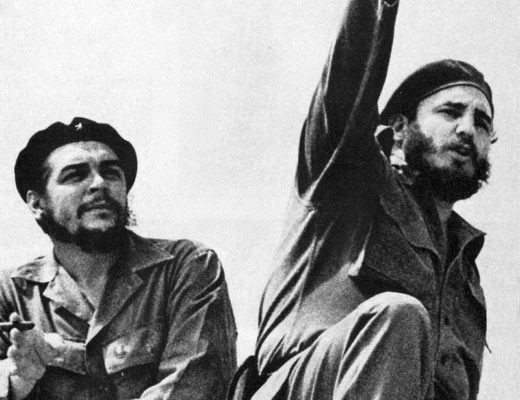
1984: The Reverend Jesse Jackson prevails upon Fidel Castro to release 22 jailed Americans.
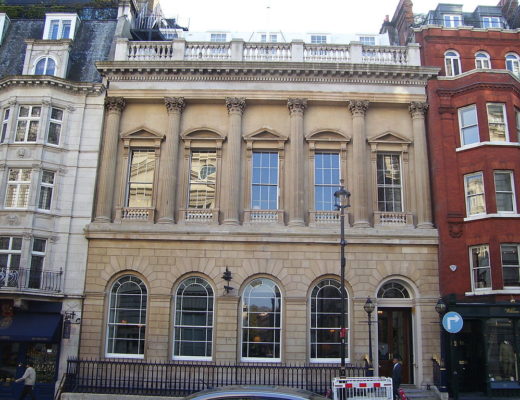
1990: The IRA bomb the Carlton Club in London, a popular haunt of Conservative MPs.
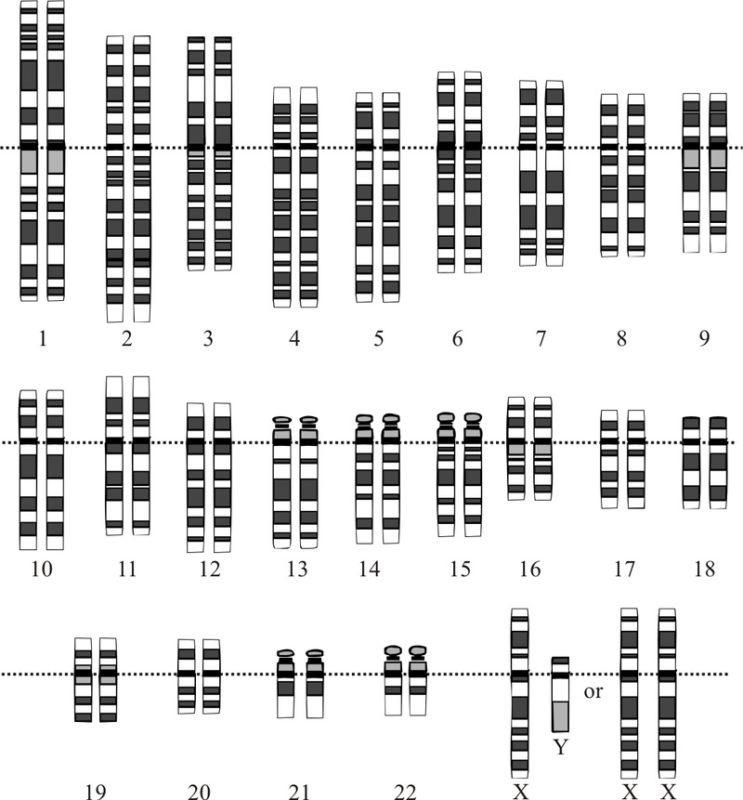
2000: Human genome draft completed
An historical landmark is reached as scientists announce that they have completed a rough draft of the human genome. Researchers across the world had worked for over a decade to decipher the biochemical instructions required to build and maintain the human body. They determined the exact sequence of the three billion building blocks that make up DNA, the long, double-stranded molecule which is hidden in the nuclei of nearly all cells. Even though the DNA code would require decades of further study, it would allow doctors to diagnose diseases much earlier, and help pharmaceutical companies design drugs tailored to individual patients.
HAVE YOUR SAY
Like our Facebook page, follow us on Twitter and Instagram
For news straight to your phone, add us on BBM 58F3D7A7 or WhatsApp 082 421 6033