Marine documentary shot at Protea Banks
Shark species have changed their arrival and departure times and this could be due to climate change, says Roland Mauz.
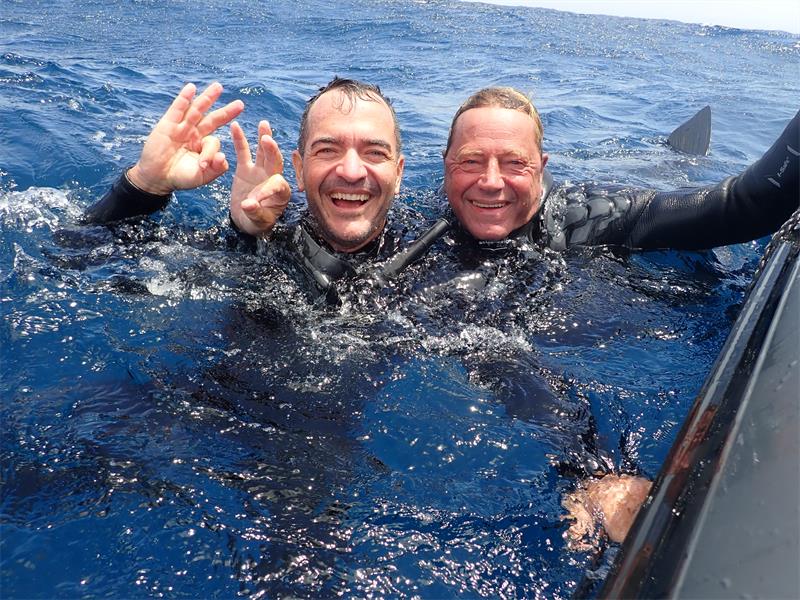
A team of dedicated volunteer advanced divers embarked on a citizen science project at Protea Banks over December and January, in the hopes of gathering valuable data linked to the endangered scalloped hammerhead shark.
ALSO READ : Protea Banks listed as Marine Protected Areas (MPA)
The project, an initiative of WildOceans – a leading non-profit organisation, set out to count a reported aggregation of scalloped hammerhead sharks in the recently approved Protea Banks Marine Protected Area to better understand the population numbers, their movements and the importance of the area for their protection.
The activities were filmed and are set to feature in a marine documentary series by WildOceans called ‘Our Oceans’. The film is being produced by world-class production company, Off the Fence.
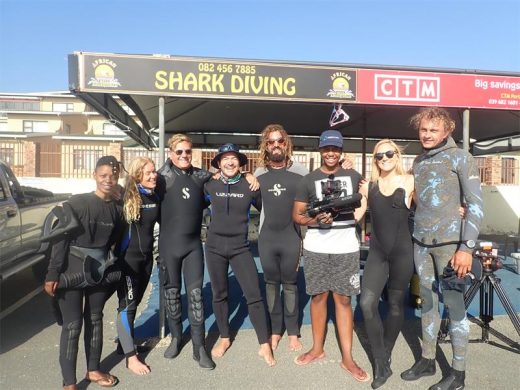
The series will profile marine expeditions aboard the conservation research vessel RV Angra Pequena, raising awareness and knowledge about KwaZulu-Natal’s spectacular marine ecosystems, charismatic animals and the learning journey of the scientists and ocean stewards onboard the vessel, as well as offer insights from communities along the coastline.
According to Roland Mauz of African Dive Adventures, one of the lead characters in the episode, “Protea Banks is being recognised as an important ecosystem off the coast of South Africa. Shark aggregations in this area, including hammerheads, is unusual and this is rated as one of the few places in the world where one can see such a wide variety of shark species. It is important for science and for the future to start exploring this area and try to understand this aggregation.”
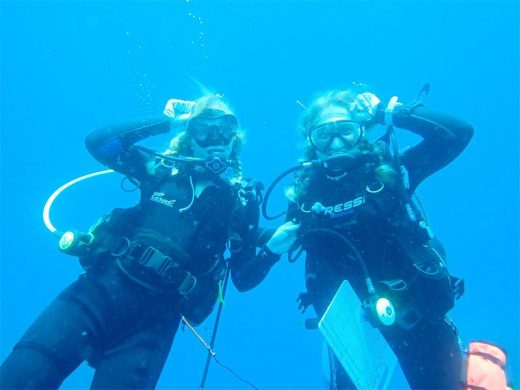
Roland, who has dived Protea Banks since 1996, says shark species have changed their arrival and departure times and this could be due to climate change.
“We have more wind than ever before. Some species have been reduced in numbers and other species have increased. I cannot explain why that is, but it seems to coincide with rising temperatures, pollution and overfishing. For example, we have more hammerheads than when I started diving in 1996 and can only assume that they are running from hammerhead hotspots like the Galapagos, Cocos and Malpelo where they are decimated by fishermen for their fins. We also have fewer tiger-sharks than ever before. Unfortunately, it is difficult to say why because we don’t have comparable data”, he said.
HAVE YOUR SAY
Like our Facebook page, follow us on Twitter and Instagram