Drumlines to replace some of Durban’s shark nets
Members of the public are reminded that drumlines constitute life-protecting equipment and are the property of the Sharks Board.
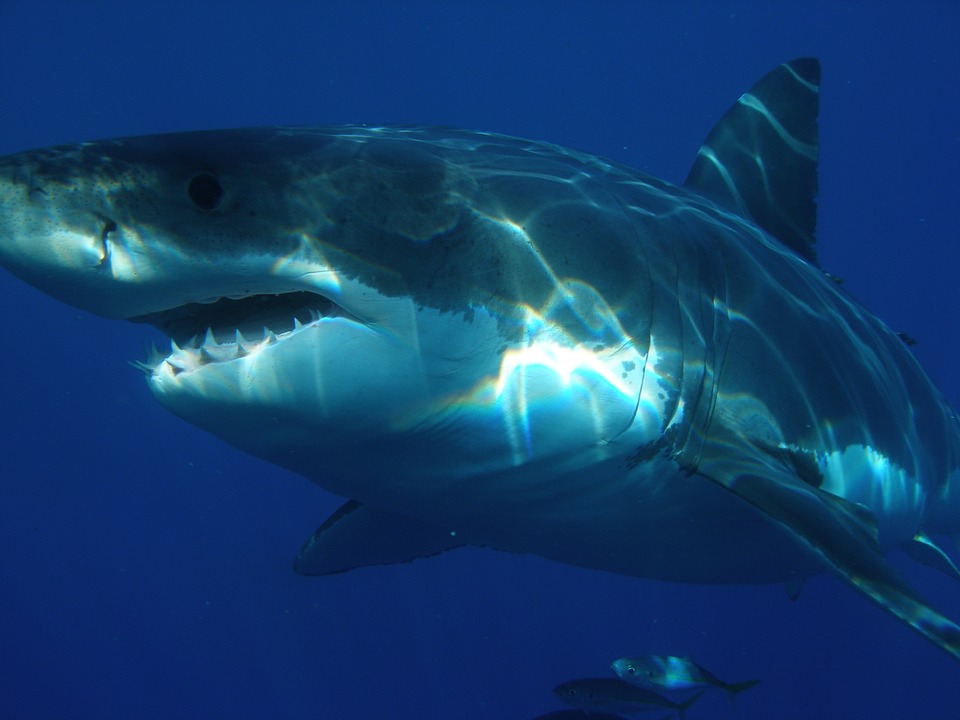
Shark nets protect bathers primarily by fishing for potentially dangerous sharks.
By reducing the number of these sharks in the vicinity of each protected beach, the probability of an encounter between a bather and a shark is reduced. The nets have been very effective in reducing the risk of shark attack but there is an environmental cost.
YOU MAY BE INTERESTED IN: ‘No’ to shark nets, says world famous photographer
Head of Operations, Greg Thompson said, not only do the nets catch potentially dangerous sharks, they also catch certain shark species that pose no threat to bathers, as well as various species of dolphin, whale, ray and turtle and, occasionally, large bony fish.
The Sharks Board is continually seeking ways of reducing catches without compromising the safety of bathers. The deployment of drumlines in conjunction with the nets is one such initiative.
In 2007, the board replaced nearly half of the existing shark nets with drumlines at 20 protected beaches between Hibberdene and Port Edward in the Ray Nkonyeni Municipality (Hibiscus Coast) and more recently at all five protected beaches between Zinkwazi and Ballito in the KwaDukuza Municipality.
On 1 March 2019, drumlines will replace some of the nets at all the eThekwini beaches between Westbrook and Umgababa.
A drumline consists of a single large baited hook suspended from an anchored float and forms an alternative method of fishing for potentially dangerous sharks.
Drumlines, which have been in use in the bather protection program of Queensland, Australia, since 1962, are far more selective than nets in terms of their catch. Both shark nets and drumlines have an excellent safety record where they are in use, neither provide absolute protection from shark attack. Only a physical enclosure can achieve that, and the construction of such enclosures at surf beaches is impractical.
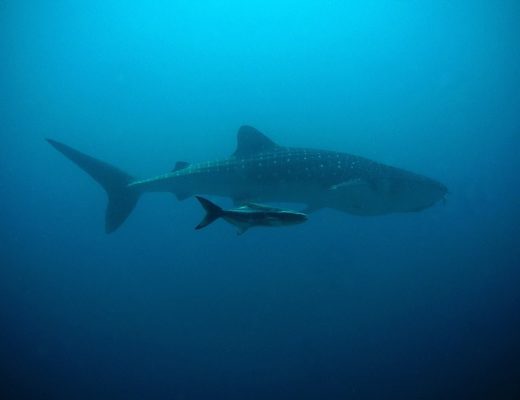
Drumlines have proved invaluable in providing protection against shark-inflicted injury along the KZN coast, catching potentially dangerous sharks, but with very little by-catch (the catch of other animals). Not only is the by-catch of dolphins, rays and turtles greatly reduced but so too is that of certain shark species that pose little threat to bathers, such as the spotted ragged-tooth shark and the spinner shark.
Members of the public are reminded that drumlines constitute life-protecting equipment and are the property of the Sharks Board.
Their introduction is an initiative aimed solely at reducing the environmental impact associated with the provision of safe bathing. Sharks Board Head of Operations Greg Thompson emphasized that bather protection remains the priority and appealed to the public not to tamper with the drumline equipment and to report the presence of any displaced shark safety gear found along the KZN coast.
HAVE YOUR SAY
Like our Facebook page, follow us on Twitter and Instagram