Parents and coaches need to work together for an athlete’s road to success
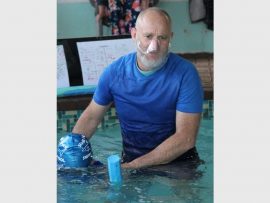
Local swimming coach Ed Holden-Smith explains the influence of parents on their child's sport development.
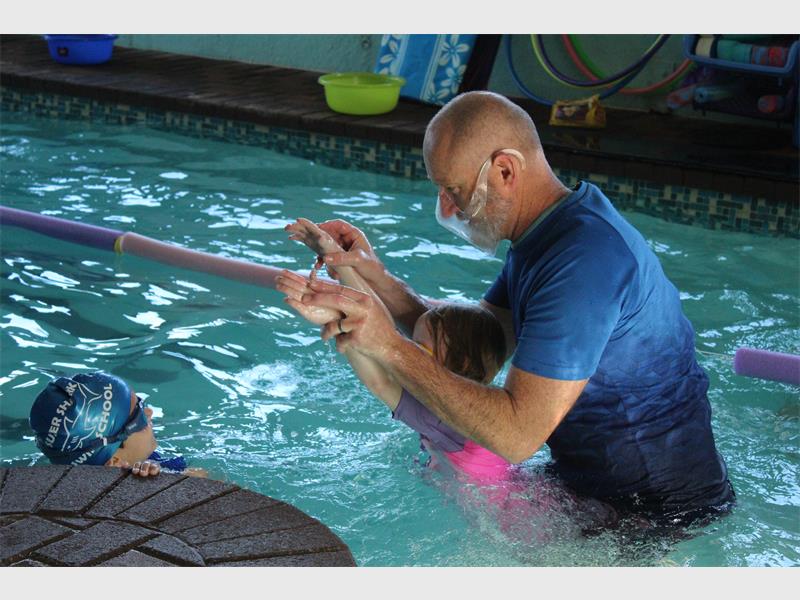
Undoubtedly, a parent’s influence on a child’s involvement in sport and physical development is significant. So says local swimming coach Ed Holden-Smith.
But he cautions that the role of the parent has become more difficult because of the demands of youth sport participation which, in his opinion, has become more complex and competitive.
“A child’s first love for a sport usually comes from parental introduction and provision of an opportunity to participate,” he said.
“Believe it or not, there is a significant increase of researchers with an interest in the influence of parents and a variety of psychological factors linked to youth participation in sports.”
He says parental involvement can influence the young athlete positively by means of driving their child to training sessions and supporting them during competitions. They are the ones giving feedback, sharing in successes and failures.
“In the same breath, a parent’s actions can also hinder the athlete’s development. A parent’s lack of interest or inappropriate, rude behaviour during events can also dampen a love for the sport, resulting in a child quitting altogether.”
Well known coach Mandy Koegelenberg, of Blue Ocean Aquatics, said that in regards to swimming there’s a three-way partnership between athlete, the parent and the coach – if you remove one of these, progress is not very successful.
“It is the parent who makes sure that the athlete is eating correctly, getting enough sleep and going to training sessions. Parents are there as a support structure and not as assistant coaches. They are there for support, help and encouragement, through the ups and downs of the athlete’s career,” she said.
Ed wanted to give a ‘shout out’ to all parents – those driving children around, collecting gear, feeding hungry champions, encouraging and spending extra time in the pool (or on the field, court, depending on whatever sport) after practice.
He also encouraged coaches, teachers and instructors – those spending hours of lesson preparation, training, pushing, guiding, teaching new information, and coaching.
“It goes for all sports, arts and culture or private. The physical and psychological development of the young athlete, artist or student may well depend on parental influence and involvement. This involvement does not apply to parents only but also to the coach on the football pitch, instructor in the pool or teacher in the classroom,” he said.
“We have a responsibility as we have the power to teach, train and coach our students and encourage them to work harder towards their goals.”
He cited the example of the hard work swimming coach Rocco Meiring put in, working with and training Tatjana Schoenmaker as she finished first in the women’s 200m breaststroke final in a new world record of 2:18.95 during the recent Tokyo Olympics in Japan.
But why do we do it?
“It’s because we have a passion for the kids and the sport and we want to see them accomplish their goals. We want to help them see their potential. We teach them to work hard and be persistent. We demand discipline as we are disciplined and dedicated to get them to do the things that we believe they can do. The students see our work ethic during our sessions. Sometimes there is no next time, no time-outs and no second chances. Sometimes, it is now or never! They learn to work together as a team and to respect each other. They learn to apply this in their chosen sporting discipline, and the way they live their lives.”
HAVE YOUR SAY
Like the South Coast Herald’s Facebook page, follow us on Twitter and Instagram