A tale of two Hibiscus Coasts
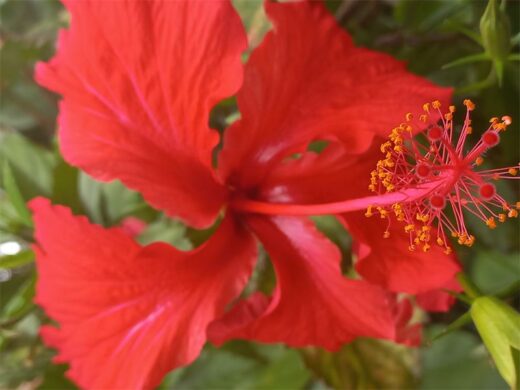
As locals will know the South Coast is affectionately called the Hibiscus Coast, due to the abundance of the beautiful flowers which grow here.

BOOK REVIEW
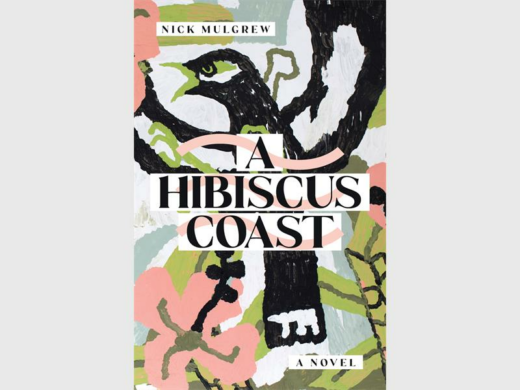
Nick Mulgrew’s book ‘A Hibiscus Coast’ links the South Coast of KwaZulu-Natal with New Zealand in a variety of ways which many readers should find interesting, even if they have never been to either.
It’s not often our area gets a mention in a book, but Nick has done so fairly significantly, mentioning Port Shepstone, Margate, Ramsgate and Port Edward to name a few of our coastal towns.
As locals will know the South Coast is affectionately called the Hibiscus Coast, due to the abundance of the beautiful flowers which grow here.
(At one stage our municipality was even named Hibiscus Coast).
Nick links this to a region in New Zealand, where a similar hibiscus also grows, and nowhere else in the world.
But his book isn’t about flowers, instead it explores the dislocation of South Africans emigrating to New Zealand.
It also shares how the Maori folk felt, or feel, about the arrival of immigrants, and their own fight for equality.
The book is brilliantly researched and contains some wonderful characters.
The time frame is around the late 90s.
Nick, who is only 30 or so, has captured the mood, expressions, language, slang and emotion of the time quite superbly.
His use of humour is understated and hints that he could write an hilariously funny book if he so chose.
But he hasn’t in this instance, instead he admits that the book does have a sad, somewhat melancholic feel at times, and it’s supposed to.
Through his chosen characters and events, he describes the very real and raw emotions that many South Africans and New Zealanders have experienced.
He writes about some of the dramatic, tragic events that shaped history in our country and province.
He writes about fears and failures.
Nick’s family emigrated to New Zealand when he was about nine, but returned not too long after.
He grew up mostly in Durban North, but has travelled and lived abroad and is currently living in Scotland.
While writing the book, Nick spent some time at the Herald doing research, trawling through old archives and getting a feel for how things were at the time.
The book doesn’t always read as a straight-forward novel.
In places it takes on an almost anecdotal feel, with the odd team sheet of a rugby game, a poster for a cultural event, a police report, newsletters from South Africans in New Zealand, and more.
It’s full of surprises, quirky at times, but interesting.
It was a book I took my time in reading, to allow some of the nostalgia to wash over me, absorb the importance of what has happened since, and reflect on life in general.
For me personally, I could relate to many of the events he wrote about.
As a rugby fan, what was interesting was seeing how he explained or wrote about some of those events, like rugby games between the Sharks and Blues, from the New Zealand perspective – and of course fans’ reactions.
You definitely get a feel of what the mood was like in Durban in those times – a mix of optimism and anxiety.
I would perhaps have liked one of the tragedies Nick writes about towards the end to have been different but he doesn’t offer up any unrealistic ‘romcom’ type, fluffy endings.
It’s not that he doesn’t give some hope, he does, but the book more mirrors life than tries to make you feel good.
The temptation would be to say that it’s a book only for South Africans of a certain age, or those who have emigrated, but it’s not as a young colleague of mine also read and enjoyed the book in a completely different way.
Looking forward to more of his work.
Danielle Naidoo:
“I honestly thought it was very good, well written – kind of forget you’re reading a South African novel.
I like how he managed to draw a parallel between the two places.
Also the way the story jumps between narratives kind of gave me the feeling of displacement (although that could be just over analysing).
Also, I liked how he managed to portray the sadness with the playfulness.
I did not see that ending coming!
Overall, I was pleasantly surprised. Really enjoyed it.”
HAVE YOUR SAY
Like the South Coast Herald’s Facebook page, follow us on Twitter and Instagram