Reviving Paradise: SA’s coastal waters contribute 35% to its GDP
Seismic activity is planned to begin in January 2024.
“Do the best you can until you know better. Then when you know better, do better.”
Maya Angelou’s words are apt, especially with the fast-paced changes in technology and science. It is imperative that our policies and implementation are in line with the latest innovations and discoveries.
Operation Phakisa was launched 10 years ago with much fanfare, to unlock the Ocean’s Economy and protect our oceans through Marine Spatial Planning, led by the Department of Environmental Affairs. Operation Phakisa: Ocean’s Economy undertakes to protect 5% of our ocean space by creating a network of Marine Protected Areas (BTW, the international target is 30% by 2030).
What many people don’t realise is that the remaining 95% has been earmarked for the exploration and extraction of oil and gas reserves, in partnership with foreign firms who annually report obscene profits whilst ensuring that we stay dependent on fossil fuels by delaying and stalling the Just Energy Transition to renewables.
South Africa’s rich, unspoilt and productive coastal waters currently contribute 35% to its GDP. Coastal tourism has the potential to create 116,000 jobs by 2026… but not if we end up with a Deep Water Horizon or Niger Delta situation.
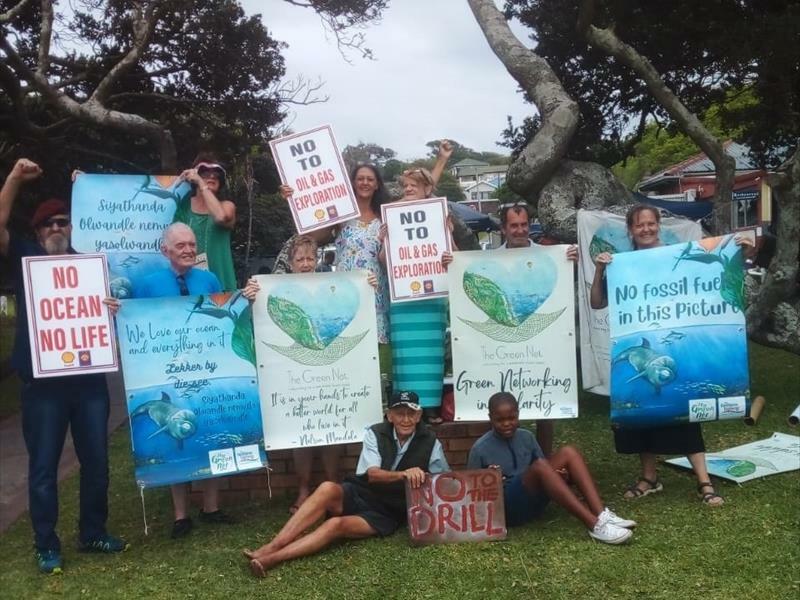
Seismic activity is planned to begin in January 2024 within the Benguela marine ecosystem, the third most productive system in the world. Seismic blasting kills krill, affecting the food chain of pelagic fish species such as sardines, round herring and anchovies that feed on plankton, and then up to snoek, dolphins, whales and sea birds that feed on pelagic fish.
Losing krill stocks could lead to a collapse of the entire food web within this part of the Benguela system, critically impacting fishing and tourism.
HAVE YOUR SAY
Like the South Coast Herald’s Facebook page, follow us on Twitter and Instagram