All you need to know about anti-venom shortage
In an area like the KZN South Coast, which is home to a variety of incredible snakes, it’s best to know what to do to stay safe.
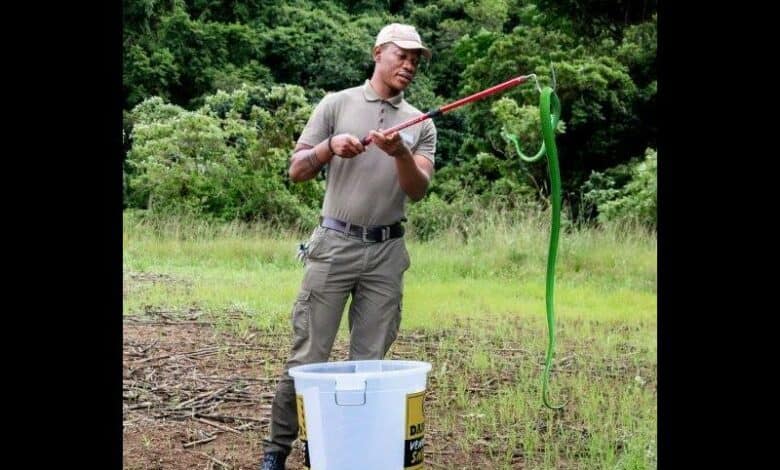
The announcement that snakebite anti-venom was in short supply in South Africa prompted Crocworld Conservation Centre in Scottburgh to temporarily suspend snake removal call-outs to ensure the safety of its team.
While the situation is being reassessed following the announcement that anti-venom is being sourced from India, Crocworld has shared some valuable tips to keep the community – and snakes – safe.
“After it was announced that anti-venom was in short supply, we were inundated with queries from the public and felt it best to share important tips regarding what to do when encountering snakes,” noted Susan Badat, manager at Crocworld Conservation Centre.
“Snake activity will be slowing as the cooler weather arrives, but in an area like the South Coast, which is home to a variety of incredible snakes, it’s best to know what to do to stay safe.”
* The previous anti-venom shortage explained:
South African Vaccine Producers responsible for local production were unable to supply anti-venom to South African hospitals for a period. To bridge the gap, an alternative, Pan African Premium Anti-Venom, is being imported from India, but it can require a higher dosage, impacting the cost. This does, however, mean that there is no anti-venom shortage currently, as it is now approved for state hospitals, is stocked at private hospitals, and is available for vet purchase.
Snake venom types:
1. Cytotoxic
This affects the tissue with pain and swelling almost immediately after the bite, worsening over the next few hours. It’s often described as feeling like ‘cold fire’ with shock developing later. It can be fatal – but rarely is.
Snake types: puff adder, Mozambique spitting cobra
2. Neurotoxic
Neurotoxic venom disrupts nerve function, leading to paralysis, muscle weakness, and potentially respiratory failure, and can also cause other neurological complications depending on the venom and the animal.
Snake types: largely the mambas and some cobras (excluding the spitting cobras)
3. Haemotoxic
This type of venom is slow, with effects seen after an hour, but can take a few days to manifest. The venom causes irregularities in the victim’s blood, preventing it from clotting. A bleeding tendency occurs starting with blood oozing from the fang punctures, nose bleeds, all the mucous membranes and progresses to other organs, bruises, blood is found in the urine and vomiting of blood. Anaemia and shock may develop, and eventually, kidney failure may set in.
Snake types: boomslang and the vine snake
8 snake safety guidelines:
1. If a snake is sighted, do not attempt to catch, handle, or kill the snake, as this is when bites occur.
2. Juvenile venomous snakes are as dangerous as adults.
3. If a snake appears dead, do not attempt to move it. They have a habit of playing dead when threatened but will strike if approached.
4. When walking, step onto logs and rocks rather than over them. Snakes often hide partially under these for sunning.
5. Wear protective gear like boots and thick trousers when hiking or working outdoors, and never walk barefoot at night.
6. If walking at night in areas where snakes might be active, use a torch to illuminate the path.
7. Keep your garden clear of rubble, overgrown vegetation, and avoid leaving pet food outdoors, which attracts rodents and snakes.
8. Water features also attract frogs, and many snake species eat frogs.
*Do’s and Don’ts in the case of a snakebite:
If bitten by a snake, it is vital to act swiftly and calmly, as every second counts.
Do’s
* Take a photo of the snake from a safe distance (if possible) to assist in identification.
* Use a pen to draw a circle around the snake bite and write the time of the bite on the skin. Document the progression of swelling from the first circle to the rest of the body.
* Get the victim to the nearest hospital with a trauma unit immediately.
* Keep the victim as calm and still as possible to slow the spread of venom.
* Remove rings, bangles, watches, and tight clothing near the bite site.
Don’ts
* Do not cut, suck, or bite the wound.
* Do not apply ice, boiling water, lotions, or potions to the bite
* Do not apply a tourniquet, as the venom travels through the lymphatic system and not the veins.
* Do not use any form of electric shock.
* Do not inject anti-venom outside of a hospital.
* Do not use EpiPens on the patient.
Emergency hospitals on the KZN South Coast
In the event of a snakebite emergency, proceed immediately to one of these facilities:
Netcare Kingsway Hospital, Amanzimtoti: Contact: 031 904 7000
Shelly Beach Hospital, Shelly Beach: Contact: 039 315 7600
Port Shepstone Regional Hospital, Port Shepstone: Contact: 039 688 6000
Netcare Margate Hospital, Margate: Contact: 039 312 7300
Emergency numbers:
Provincial Ambulance: 10177/112
Netcare Ambulance: 082 911
ER24 Ambulance: 084 124
African Snakebite Institute: 082 494 2039
South African Police Service: 10111
HAVE YOUR SAY
Like the South Coast Herald’s Facebook page, follow us on Twitter and Instagram