Thanda closes the literacy gap
Through the Family Literacy Project’s Reach Out to Read programme, Grade 1 learners improved by 800% in letter sounds and nearly 3000% in passage reading.
While many South African schools will mark World Book Day on April 23 with dress-up events and classroom fun, Thanda – a local non-profit improving childhood education in rural communities – is focused on the deeper issue: literacy.
In a country where 81% of Grade 4 learners cannot read for meaning, Thanda is working to give children the skills they need to shape their futures.
According to the Early Learning Outcomes Measure (ELOM), 26% of children entering Grade R are ‘falling behind’ and 19% are ‘falling far behind’ in early literacy. These figures point to a growing crisis that demands focused support from a young age.
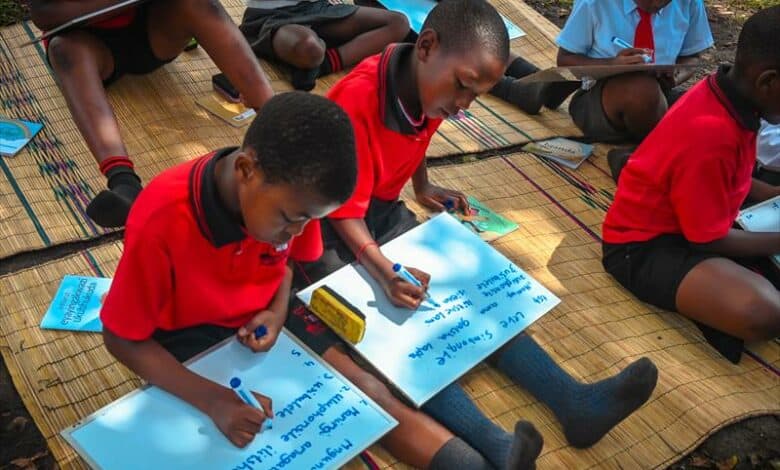
In April last year, Thanda launched the Family Literacy Project’s Reach Out to Read (RoTR) isiZulu programme at Msinsini Primary School in Mtwalume. RoTR uses evidence-based methods – including phonics, fluency, vocabulary and comprehension – to help children learn to read in their home language. A multi-sensory approach keeps learners engaged through sight, sound and touch.
In just 12 months, the gains have been remarkable. Grade 1 learners improved by 800% in letter sounds and nearly 3000% in passage reading. Grade 2 and 3 learners also showed significant progress across all EGRA (Early Grade Reading Assessment) assessed areas.
To better understand the impact, Thanda compared EGRA scores from learners entering the same grades one year apart. Grade 1 learners in 2025 scored 1.8 times higher in letter sounds than those in 2024. Grade 2 learners scored twice as high, and Grade 3 learners scored more than double.
“Literacy is the foundation of all learning,” said Angela Larkan, executive director at Thanda.
“It’s the first step in helping children access knowledge, engage in society and break the cycle of poverty.”
HAVE YOUR SAY
Like the South Coast Herald’s Facebook page, follow us on Twitter and Instagram