NSPCA finds Pennington retirement village’s wildlife management intervention ‘unnecessary’
The NSPCA said that lethal control should never be the first option.
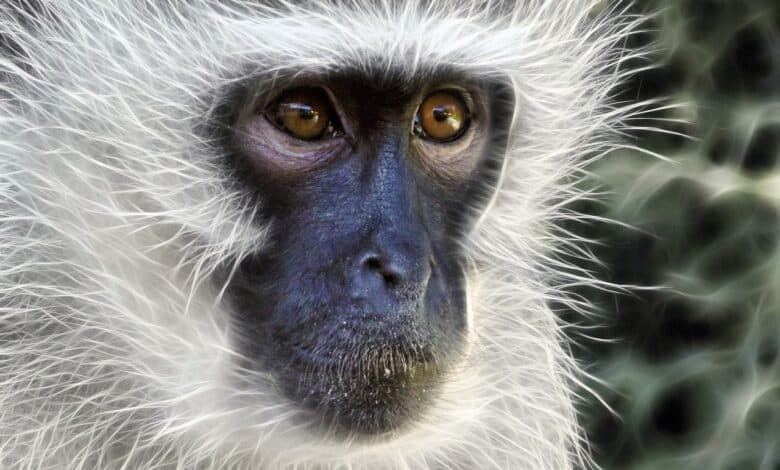
KZN residents have been outraged by a wildlife management intervention targeting vervet monkeys, that was scheduled to take place this Sunday (October 26) at the Umdoni Retirement Village in Pennington.
Since the news went viral, there have been talks of proposed culling.
The Herald has since reached out to the retirement village and Ezemvelo KZN Wildlife. Statements were received indicating that there will be no mass culling.
READ STATEMENTS HERE: Monkey business: Wildlife management intervention causes uproar in Pennington
The National Council of SPCAs has since stepped into the conversation and on Friday confirmed that the proposed culling operation targeting the monkeys at the retirement village will not proceed.
“This follows public concern that the planned intervention, being a collaboration between the retirement village and Ezemvelo KZN Wildlife, was both unnecessary and inhumane, given that there was no verified severe human–primate conflict at the site,” stated the NSPCA.
“Upon receiving reports of the intended cull, the NSPCA engaged with Ezemvelo KZN Wildlife, the Amanzimtoti SPCA, and representatives of the retirement village. It was confirmed that no mass cull will take place and that any future wildlife management interventions will be handled in accordance with provincial conservation and animal welfare legislation.”
Chief inspector Douglas Wolhuter, manager of the NSPCA’s Wildlife Protection Unit, said that while they understand that vervet monkeys can cause frustration, particularly in residential areas, it is critical to remember that these are highly intelligent, social and sentient animals.
“Lethal control should never be the first option, nor the easy one,” added Wolhuter.
The NSPCA said that animal welfare considerations must form part of any conflict mitigation strategy. This includes ensuring that ‘monkey-proof’ bins and proper waste disposal systems are in place to prevent attractants; the use of humane deterrents and education initiatives to reduce conflict; and consultation with the local SPCA and the NSPCA’s oversight before any action is taken.
“The welfare and conservation of wildlife are inseparable. A balanced, evidence-based approach protects both people and animals, and helps avoid suffering,” said Wolhuter.
“As South Africa’s national animal welfare authority, the NSPCA continues to advocate for compassionate, science-based wildlife management that upholds the principles of humane coexistence.”
HAVE YOUR SAY
Like the South Coast Herald’s Facebook page, follow us on Twitter and Instagram