Hibberdene residents speak out against euthanised cats
The Lower South Coast SPCA provides further clarity on the issue.
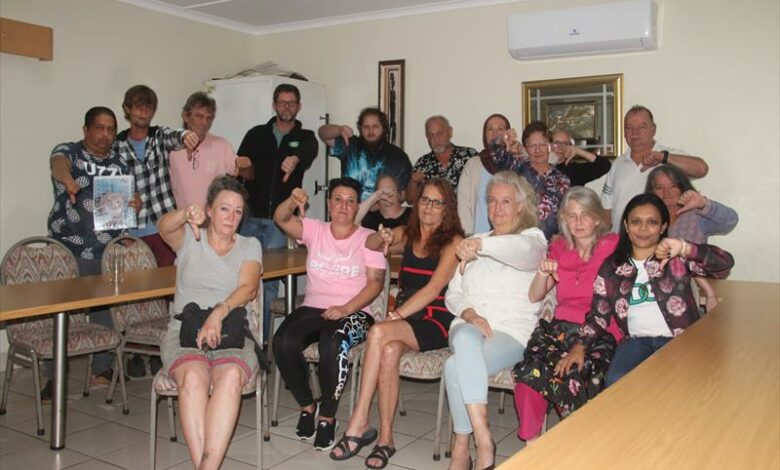
Loved, fed and cared for – that is how residents described the six cats, including a mother cat and her two kittens, that were trapped and euthanised from a feral colony at a beachfront complex on Barracuda Boulevard in Hibberdene last month.
The incident, which took place on April 23, has sparked outrage among residents, animal lovers and members of the Hibberdene Feral Cat Association (HFCA), who said the cats formed part of a monitored colony.
Residents Anton and Susan van der Merwe, who regularly fed the cats, became concerned when the animals failed to appear for food that morning and food left out the previous night remained untouched. The couple later established that the Lower South Coast SPCA had trapped the cats.
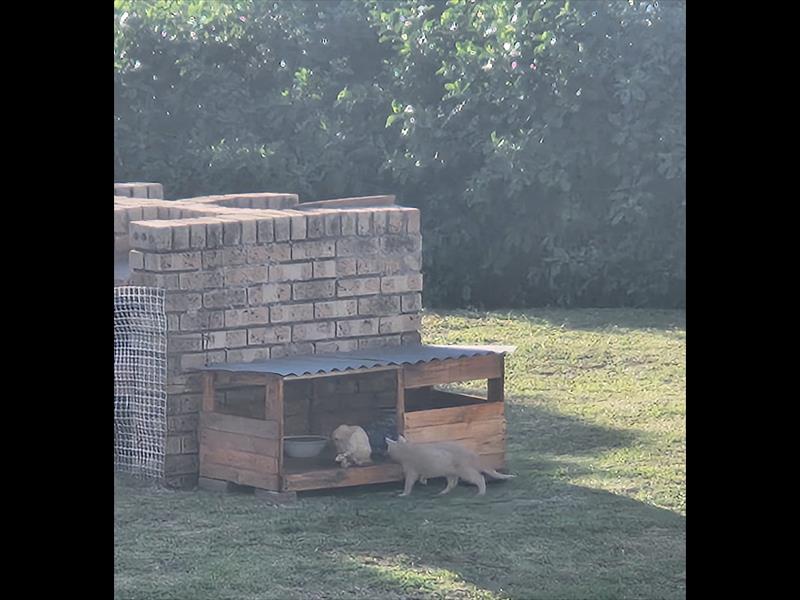
Distressed residents contacted the SPCA requesting the cats be returned, only to be informed they had already been euthanised.
More than 16 residents and animal lovers attended a public meeting in Hibberdene last Thursday evening to discuss the incident and support HFCA chairperson Ronel Naidoo and her work with feral colonies. The Lower South Coast SPCA was invited to attend the meeting, but declined.
Community members called for answers from the SPCA, including whether the organisation acted on instructions from a body corporate and whether payment had been made for the trapping and euthanasia of the cats.
Naidoo said the association had already begun trapping and sterilising cats from the colony.
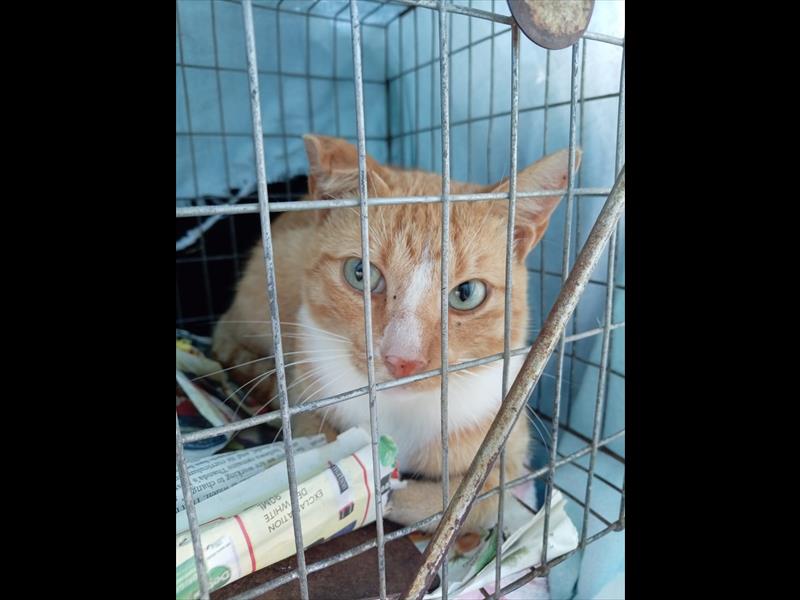
“The two kittens left behind have spent days confused and lost after the incident. We are heartbroken and still traumatised by this tragic incident as these were not sickly cats – they were well-looked-after and loved cats. We spoke to a holidaymaker who paid her domestic worker to feed these cats, and she began crying when she heard what happened to her ‘babies’. Residents now live in fear that this will happen to their cared-for cats,” she said.
Naidoo said the association keeps a photographic record of feral cat colonies in the area and is requesting improved communication with the SPCA to prevent similar incidents in future.
The association said it remains committed to monitoring, sterilising and responsibly managing feral cat colonies throughout Hibberdene and is willing to assist in finding humane solutions where concerns arise.
HFCA secretary Ibrahim Shaik said the association aimed to be “the voice of the voiceless” and believed every animal deserved a second chance at life.
* Note: The Herald is aware of the identity of the beachfront complex where the incident occurred but has been unable to obtain comment, despite efforts to establish contact.
SPCA responds after feral cats put down
The following response is from the Lower South Coast (LSC) SPCA management committee:
At the outset, it is important to clarify that the SPCA did not conduct random trapping operations.
The SPCA visited the complex after complaints and requests were received from the body corporate regarding feral cats on the property.
The SPCA was accordingly requested to trap and remove the animals from the premises.
No remuneration or payment whatsoever was received by the SPCA for these services.
As a welfare organisation operating in terms of its statutory mandate, the SPCA is obligated to respond to complaints received from members of the public and property owners.
On attendance, each animal was individually assessed. Cats identified as part of established and managed feral colonies are generally ear-tipped as an indication that they have undergone sterilisation and are being monitored.
In this instance, the cats trapped were not identified to the SPCA as part of a formally managed colony.
Furthermore, several of the animals were found to be in poor condition, including suffering from mange and related welfare concerns. Feral cats that are not socialised cannot reasonably be rehomed and, where their welfare is compromised, humane euthanasia may become the most appropriate and responsible course of action.
Such decisions are never taken lightly and are carried out in accordance with veterinary guidance, welfare considerations, and SPCA procedures.
About the public meeting referred to in your correspondence (Herald’s email to SPCA), the SPCA was invited to attend, but respectfully declined.
This was not intended to avoid engagement with the community. The SPCA remains willing to engage constructively with residents and recognised feral cat caretakers through the appropriate channels and has indicated that any questions or requests for assistance could be submitted directly to the society in writing for attention and response.
The SPCA acknowledges and appreciates the efforts of community members involved in trap-and-neuter programmes and feral colony management.
Collaboration in these matters is always preferable where established colonies are known, identified, and communicated to the society.
Unfortunately, the SPCA can only act on the information available to it at the relevant time.
Hibberdene Feral Cat Association focuses on humane solutions for feral cat colonies
The Hibberdene Feral Cat Association (HFCA), established about three to four years ago, is a voluntary organisation dedicated to responsible feral cat management in the area. Founded by secretary Ibrahim Shaik, the association is now led by chairperson Ronel Naidoo, whose commitment to cat welfare has earned strong community support. Shaik is also a renowned human and animal rights activist.
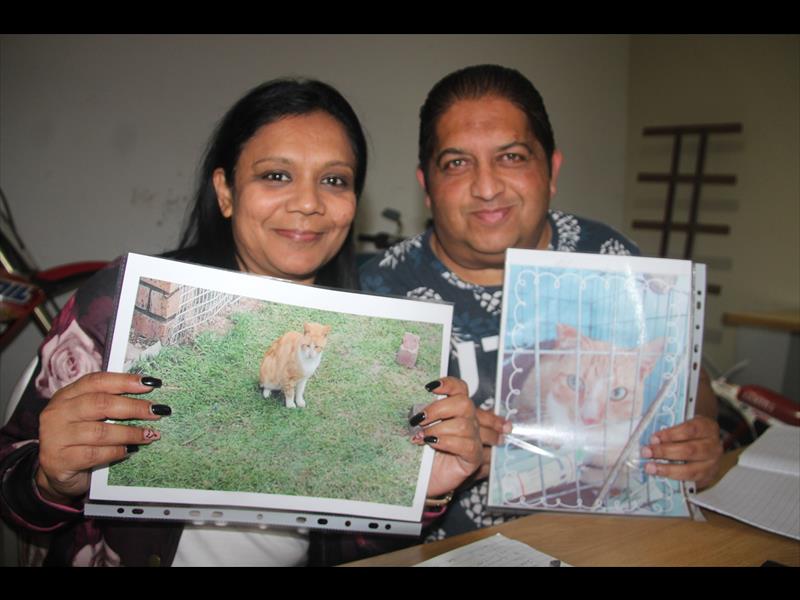
Central to HFCA’s work is its Trap-Neuter-Return (TNR) programme which is the most effective, humane method for managing community cat populations. It involves humanely trapping, vaccinating, and sterilising stray or feral cats before returning them to their outdoor homes. The association also promotes public awareness and works with residents and authorities to find balanced, sustainable solutions to feral cat management.
Shaik stressed that removing cats from an area is ineffective, as new cats will eventually move in.
“Culling cats is not the answer. We advocate the TNR programme to create healthy and controlled colonies. Cats also play an important role in keeping rodents and snakes away,” he said.
Residents and stakeholders are encouraged to engage constructively with the association as it continues its work in Hibberdene. For more information, contact Naidoo on 083 6391155.
HAVE YOUR SAY
Like the South Coast Herald’s Facebook page, follow us on Twitter and Instagram