Youth discuss ethical leadership
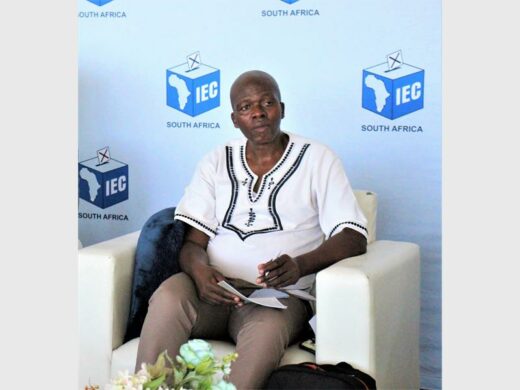
Outspoken political analyst, Professor Bheki Mngomezulu feels that the issue of factionalism is one of the factors why the Ugu district has consistent water outages. Mngomezulu was speaking to the Fever at the Ugu Sports and Leisure Centre on Tuesday during an ethical leadership programme hosted by the Electoral Commission of South Africa (IEC).
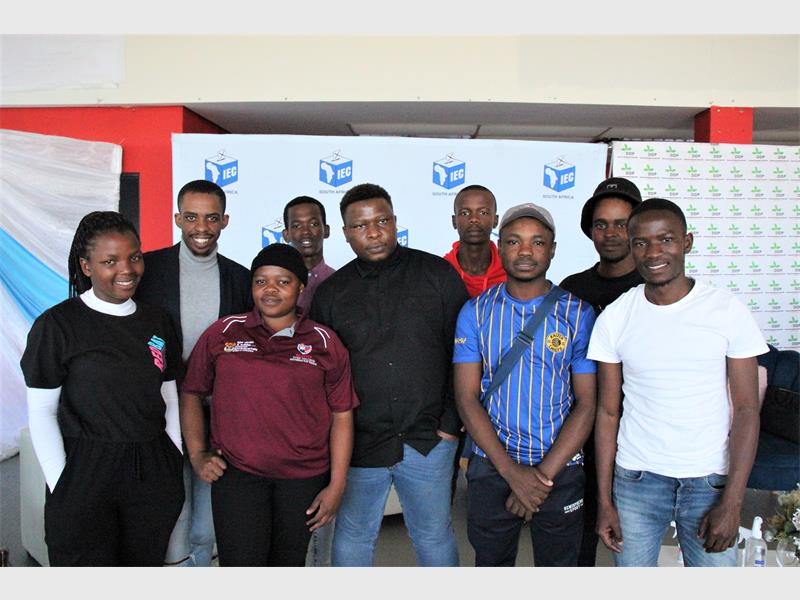
Outspoken political analyst, Professor Bheki Mngomezulu feels that the issue of factionalism is one of the factors why the Ugu district has consistent water outages. Mngomezulu was speaking to the Fever at the Ugu Sports and Leisure Centre on Tuesday during an ethical leadership programme hosted by the Electoral Commission of South Africa (IEC). Mngomezulu said the ongoing water problem is also caused by outgoing municipal leadership that fails to do a clear handover to the incoming leadership. The professor added that the outgoing leadership needs to identify what they were able to do during their term of office and also highlight the things they were unable to achieve.
“A clear handover needs to happen so that the incoming leadership know exactly what to prioritise. Other causal factors for water outages are the organisations that are in the municipality. An organisation will come with one mandate and another will come with its own mandate, only to find that the things which are priorities, are forgotten and political parties want to take centre stage. The issue of factions also plays a role, where people spend a lot of time criticising their predecessors, and the people who are on the receiving end, the beneficiaries of the services end up suffering the most,” said Mngomezulu.
This leadership session was co-convened by the Democracy Development Program (DDP) and the Outreach Unit of the IEC.
According to the IEC, the Ugu region is mostly plagued by an assortment of crises purportedly due to political wrangling and mismanagement of municipal grants and other resources. It said given the dynamics, a safe and open platform on ethics was appropriate to allow engagement with communities who believe the moral compass has vanished all around the region.
“Ethical leadership as a concept can be defined as respect for ethical beliefs, values, dignity, and rights of others. It is thus related to concepts such as trust, honesty, consideration, and fairness. All social entities, including those in community, public and private sector circles possess codes of ethics that are expected to be upheld without fail in the execution and discharge of their responsibilities. The trust factor by the communities is paramount in everything we do in our collective work in democracy development. Election management collapses if there is no public trust in the organisation and its associates. Creating an enabling environment to speak about ethics demonstrates our commitment to constitutional values and our embeddedness in positive experiences resulting from electoral democracy,” said the commission.
For the discussion, the commission invited members of the student representative council from Esayidi TVET College, out-of-school youth, youth service providers, Ugu District Municipality, the house of traditional leaders and the South African Police Services.