Building a social justice mindset in a school environment
World Day of Social Justice is observed on February 20 annually, and it is a United Nations initiative to recognise the need to promote social justice at every level of society.
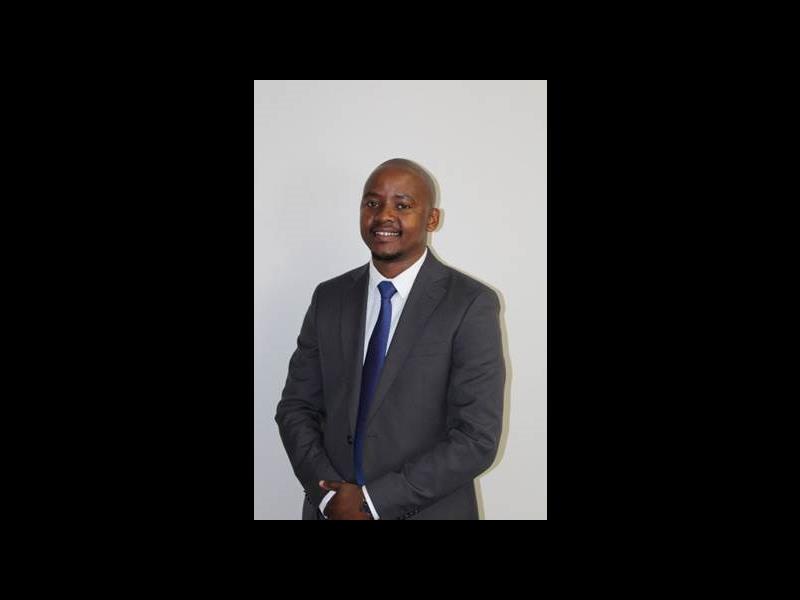
With a number of violent crimes and unruly behaviour in local schools, a school deputy principal has said developing a social justice mindset within a school environment is essential if one wants to live in an equitable, just, and inclusive society.
Songezo Malangeni, Deputy Head of The Ridge School, said teaching the principles underpinning social justice to children from a young age can set them up for life as responsible and outward-looking citizens of the world and the leaders of tomorrow.
Malangeni said social justice and all that it incorporates is fundamentally about hearing, seeing, and understanding people, not only those in our lives, but in the wider community as well – and playing a role to ensure that everyone is treated with dignity, respect, and equality.
World Day of Social Justice is observed on February 20 annually, and it is a United Nations initiative to recognise the need to promote social justice at every level of society.
“In my experience, the practical ways that a community of students, teachers and parents in a school can advance social justice includes tackling the issues with a ‘willing to listen’ and open approach to ensure that the people we are engaging with are not offended or uninterested. Elements of social justice can be incorporated into the curriculum and adapted to other areas of school life, such as fairness in sports, and exposing students to each other’s differences in arts and culture activities, which can develop a richer worldview,” he said.
However, added Malangeni, a social justice approach is implemented, each member of the school community should recognise that they play an important role in creating an environment that promotes equity for all.
He said at a simple level, even young pupils can be taught how people create worlds with our words.
“The language we use and the way we use it can present an acceptable message to one group, but a negative message to others. With this knowledge, children can be more attuned to the impact their words have on their peers or other people in their lives. Another drive that is working well is encouraging children to self-reflect and consider others by coming up with their own ideas on how to bring the peers in their grade closer together by actively listening and engaging with others from different backgrounds,” he said, adding that teachers play an important role in guiding social justice discussions with pupils and in leading by example, and equipping them for these roles and including them in curriculum decision-making is an important part of the process.
Malangeni said incorporating social justice priorities for a school community can ensure that everyone feels heard, seen and included; the vision of each member is trusted, fairness is considered in each decision made, all members are equally treated with grace and respect, togetherness is at the heart of discussions, and the community is united in addressing exclusionary attitudes.
HAVE YOUR SAY
Like the South Coast Fever’s Facebook page