Hold your breath …
Although it's been around for centuries, it's only fairly recently that the sport has started to become popular, both in South Africa and abroad.
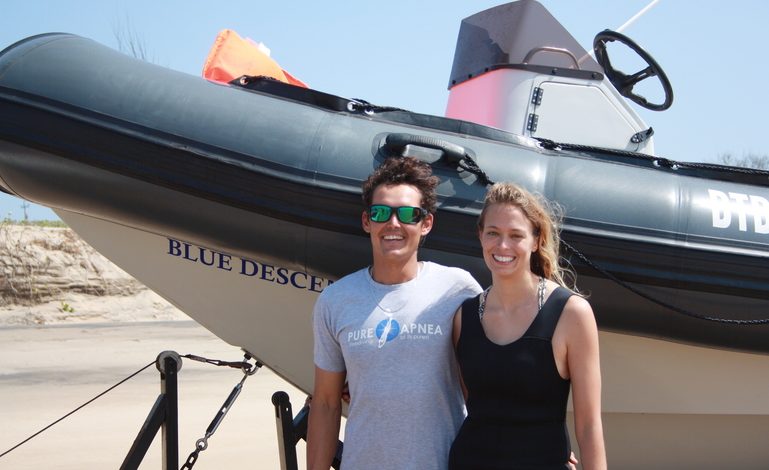
Freediving, commonly known as ‘breath hold diving’, is regarded as one of the fastest growing watersports in the world.
Although it’s been around for centuries, it’s only fairly recently that the sport has started to become popular, both in South Africa and abroad.
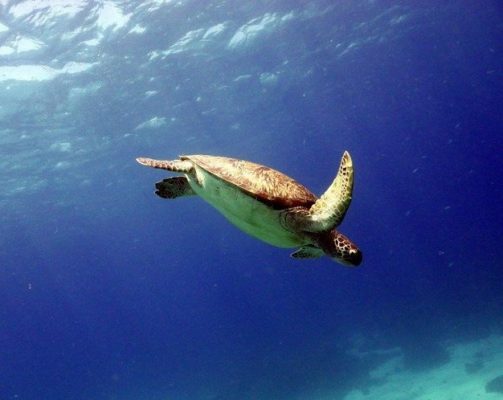
Photo: Michelle Carpenter.
The South Coast, with its abundance of marine life and warm ocean water, has become an in-demand dive site across the country and throughout the world.
Kent Taylor, from Umkomaas, remembers freediving as a child with his father when he went spearfishing.
He eventually started diving past father’s limits but knew he’d have to take a course to ensure he was reaching new depths, safely, without assistance.
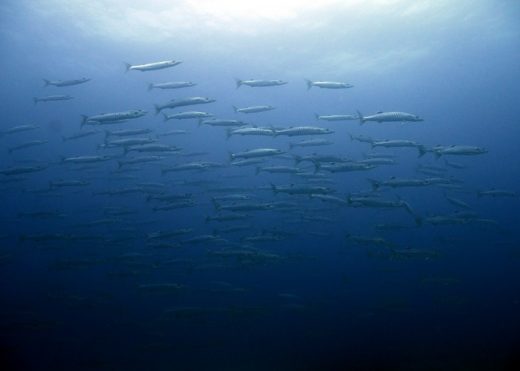
Freediving relies on one holding their breath underwater, and then resurfacing, as opposed the use of breathing apparatus, such as scuba gear.
A passionate environmentalist, Taylor established a dive school that follows all eco-conscious practices and protocol with the assistance of Michelle Carpenter, a locally-based marine biologist and qualified freediver.
“The ethos is ‘environment first’,” Taylor said.
“All decisions and practices prioritise ecological practices, and we work closely with researchers to share footage in support of local research projects, including UKZN research into turtles, and UCT research into manta rays.” he added.
A recent South African documentary on Netflix called, My Octopus Teacher, is trending worldwide.
The documentary sees South African filmmaker, Craig Foster, choose freediving as his preferred medium.
Commenting on his choice, he said: “You feel alive, you feel awake, you feel stimulated. But because you can feel that water on your skin, you can feel the slight temperature differences, you feel much closer to nature. You feel more amphibious, in a way.”
It gives one the unique opportunity and insight of the local marine life and ecosystems.
If you are looking for a healthy, liberating activity post-lockdown, then freediving is ideal.
HAVE YOUR SAY
Like the South Coast Herald’s Facebook page, follow us on Twitter and Instagram