Jukskei is a family-friendly sport for everyone
Like in bowls, the game is played by teams of four (as well as pairs and singles). The rules and scoring are also very similar, but it has a few differences though.
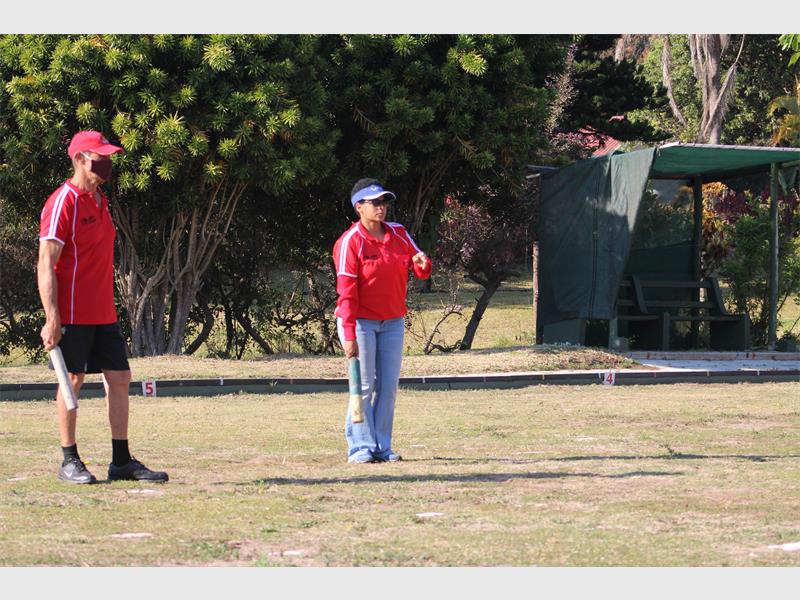
Jukskei is a sport played on a field that has two or more sand pits separated by a patch of grass in the middle. The equipment required for playing the game are wooden pins, known as skeis and a target wooden peg.
It is believed that jukskei was first played around 1743 in the Cape when the Voortrekkers who travelled by ox-wagons started using the wooden pins of the yokes (Afrikaans: skei) of the oxen to throw at a stick that was planted into the ground.
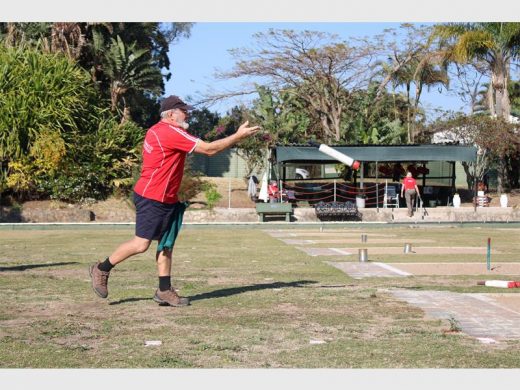
It is known that the game was also played throughout the Great Trek and in later years by farmers from the Boland on beaches during their holidays. In 1939 Jukskei became an organised sport and rules were formalised.
Like in bowls, the game is played by teams of four (as well as pairs and singles). The rules and scoring are also very similar, but it has a few differences though.
A team gets three points if the peg is knocked over, otherwise the team lying closest to the position of the peg scores as many points as they have skeis closer to the peg than their opponent’s closest skei.
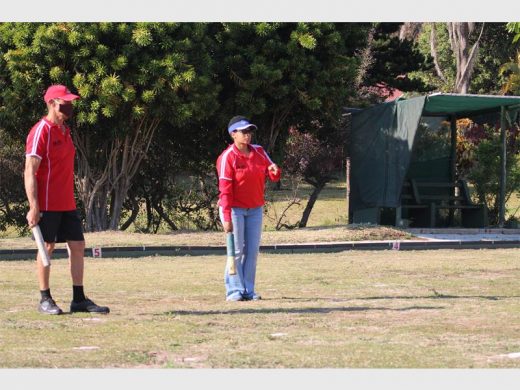
First team to get exactly 23 points wins the game. But there is a twist. If you get more than 23, then your points revert to 0.
As easy as this may sound, the swing, timing and precision with every throw needs focus, as different skeis have different weights for different age groups. Age groups span as far as 90-years-old.
However, one should not confuse old age with frailty, as some of the oldest players have the best throws.
Jukskei can also boost one’s levels of concentration, rhythm and physical articulation, which is the reason it is a sport for everyone, even the least active people can enjoy a good day of the indigenous sport, which is also very family-friendly.
HAVE YOUR SAY
Like the South Coast Herald’s Facebook page, follow us on Twitter and Instagram