Wild facts about wildebeest
The might not be pretty but both wildebeest species are fascinating creatures
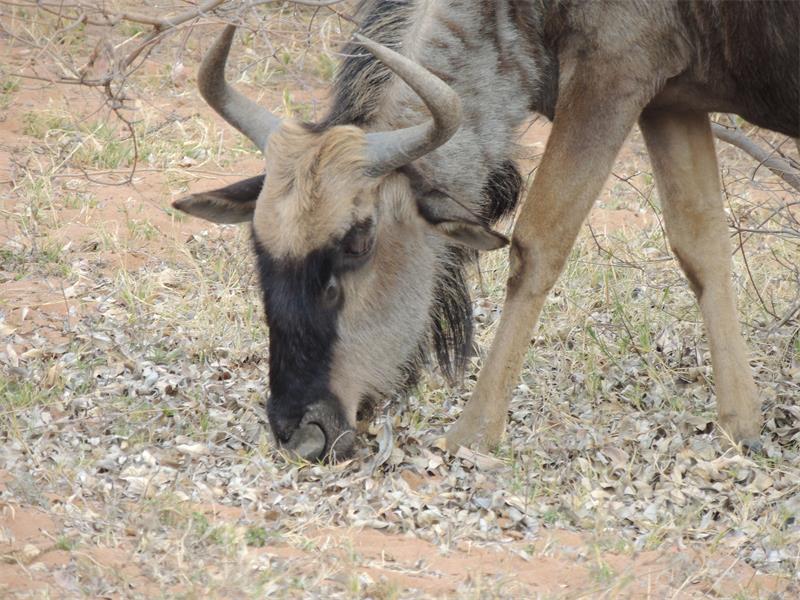
ANYONE who has watched our wildebeest frolic in the veld or take a mudbath at their favourite waterhole will agree these strange creatures are the clowns of the African savannah. Here are some wild facts and figures about these not-so-pretty but absolutely lovable plains dwellers.
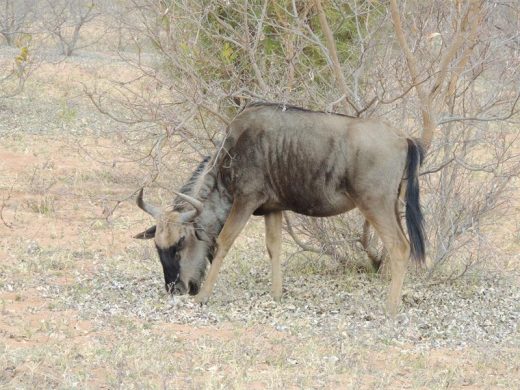
* Wildebeest are also called gnus.
* They are antelopes and belong to the Bovidae family.
* South Africa boasts two species of wildebeest, the black wildebeest (Connochaetes gnou) and the blue wildebeest (Connochaetes taurinus).
* The blue wildebeest is the one you will encounter in Kruger. Their forequarters are higher than their hind quarters. They are a dark grey in colour with dark vertical stripes, black tails, dark manes and dark beards.
* Once widespread, you will now find blue wildebeest only in many different reserves in southern Africa including the Zululand reserves, Kruger Park, the Kgalagadi, parks in Zimbabwe and many game farms. They are plains animals, often found with plains zebras and they like open savannah and grasslands, but they must have access to water.
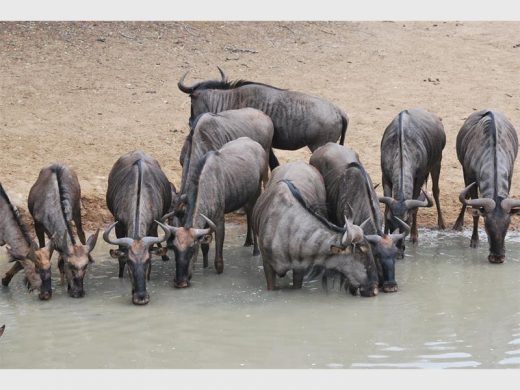
* Blue wildebeest are grazers.
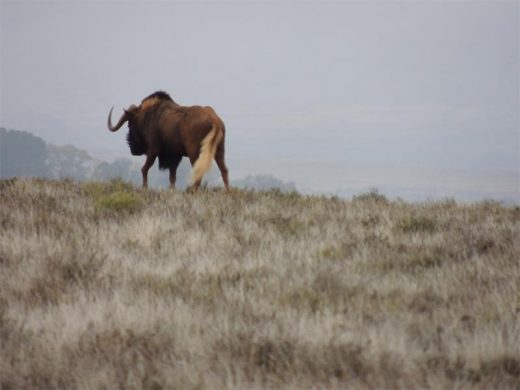
* Black wildebeest are rather strange-looking creatures , with shoulders higher than their rump. Smaller than their blue relatives, they have an overall brownish black appearance and a distinct white ‘pony tail’.
* Endemic to South Africa and once widely distributed in our country, black wildebeest were found in huge herds on the central plateaux. However, they came dangerously close to extinction in the 19th century.
YOU MIGHT ALSO BE INTERESTED IN: Fascinating facts about zebras
From a small nucleus safeguarded on private farms, the black wildebeest has made something of a miraculous comeback and reserves in the Cape, Free State and the Drakensberg area have been restocked with these interesting antelope. The black wildebeest is now only found in game reserves and on some farms.
* Black wildebeest feed on grasses and succulents and often kneel to graze. They prefer open grassland and arid plains.
* Both black and blue wildebeest are gregarious, living in large herds. Blue wildebeest often mingle with other plains animals including plains zebra.
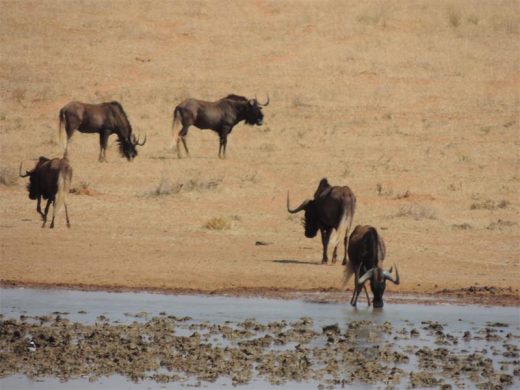
* Blue wildebeest are known for their curiosity.
* Blue wildebeest migrate seasonally when they can, following the rains in search of grazing and water. The Serengeti wildebeest migration. which sees the movement of massive herds of wildebeest, accompanied by other plains animals and opportunistic predators like lions and crocodiles, is one of Mother Nature’s most spectactular African phenomena. However, there are other, smaller seasonal migrations. Zambia’s Liuwa Plain wildebeest migration is said to be almost as impressive as the one in Serengeti.
Sources:
‘Mammals of Southern Africa’ a field guide compiled by Chris and Tilde Stuart, and the Wildlife and Environmental Society of South Africa (Wessa) handbook, ‘A field Guide to Antelope of Southern Africa’.
HAVE YOUR SAY
Like the South Coast Herald’s Facebook page, follow us on Twitter and Instagram
For news straight to your phone, add us on BBM 58F3D7A7 or WhatsApp 082 421 6033