August 30: On This Day in World History … briefly
Most notable historic snippets or facts extracted from the book ‘On This Day’ first published in 1992 by Octopus Publishing Group Ltd, London, as well as additional supplementary information extracted from Wikipedia.
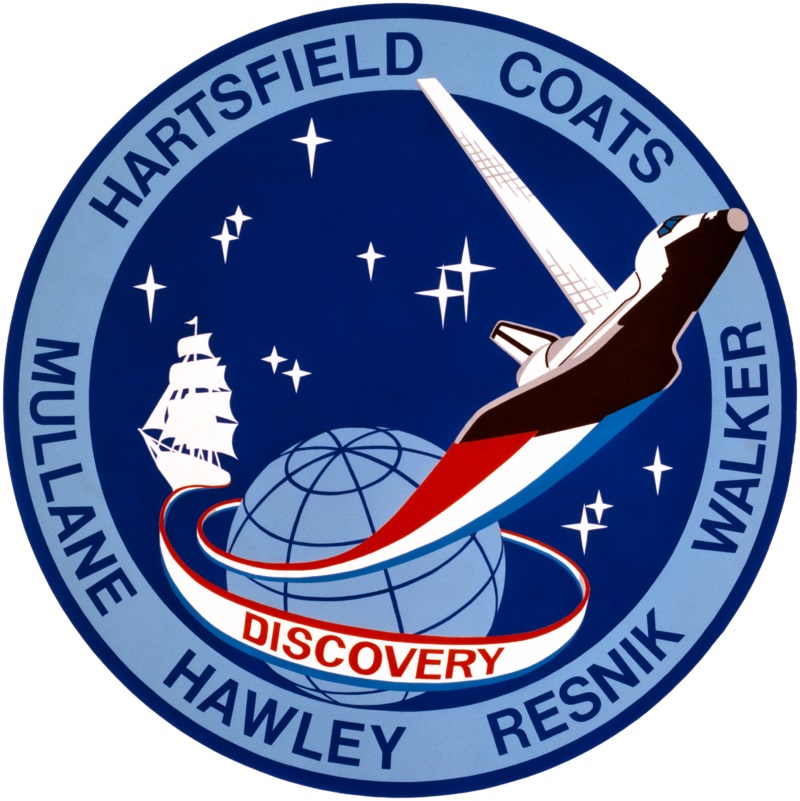
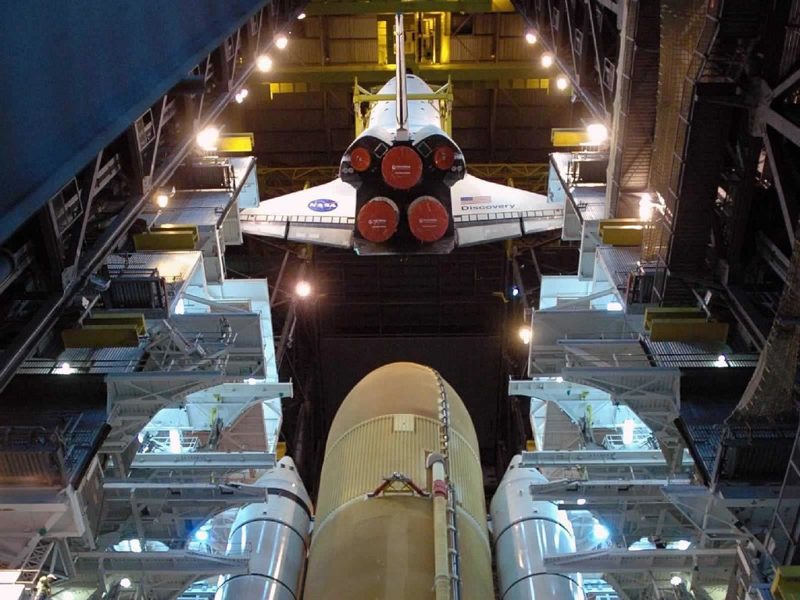
1984: Space Shuttle ‘Discovery’ (STS-41-D) takes off on its maiden voyage
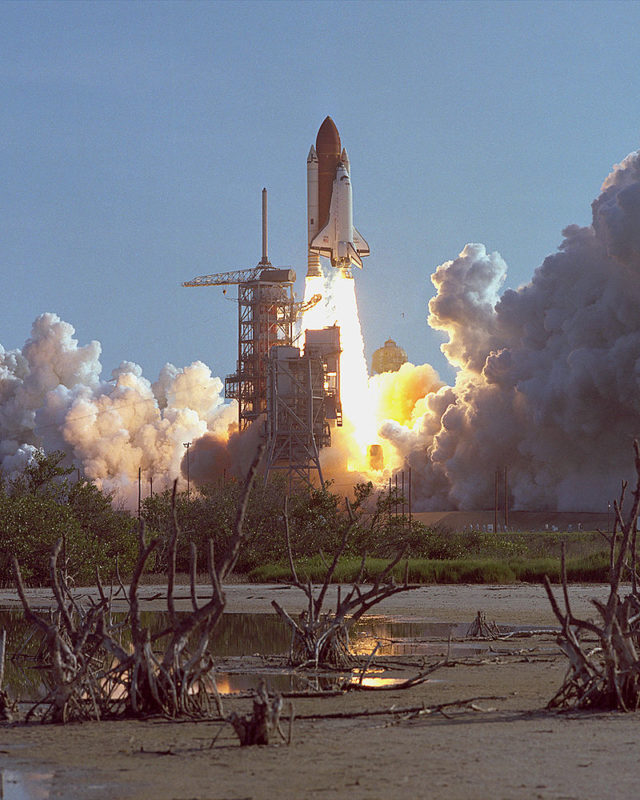
STS-41-D was the 12th flight of NASA’s Space Shuttle program, and the first mission of Space Shuttle ‘Discovery’. It was launched from Kennedy Space Center, Florida, on 30 August 1984, and landed at Edwards Air Force Base, California, on 5 September. Three commercial communications satellites were deployed into orbit during the six-day mission, and a number of scientific experiments were conducted.
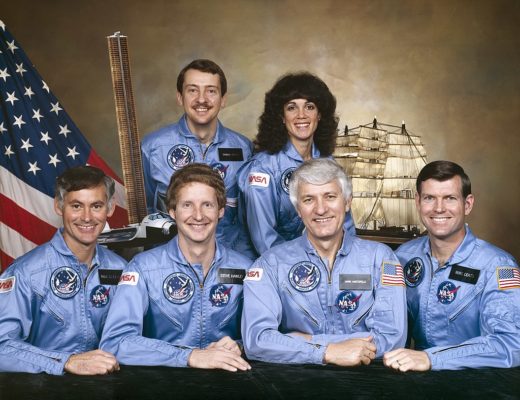
The mission was delayed by more than two months from its original planned launch date, having experienced the Space Shuttle program’s first launch abort at T-6 seconds on 26 June 1984. The launch was originally planned for 25 June 1984, but because of a variety of technical problems, including rollback to the Vehicle Assembly Building to replace a faulty main engine, the launch was delayed by over two months. The 26 June launch attempt marked the first time since Gemini 6A that a manned spacecraft had experienced a shutdown of its engines just prior to launch.
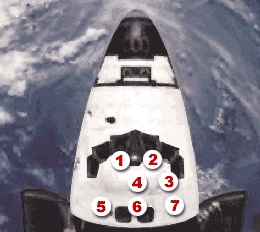
Crew seat assignments
| Seat | Launch | Landing | |
| S1 | Hartsfield | Hartsfield | |
| S2 | Coats | Coats | |
| S3 | Mullane | Resnik | |
| S4 | Hawley | Hawley | |
| S5 | Resnik | Mullane | |
| S6 | Walker | Walker |
June launch attempt
During the 26 June launch attempt, there was a launch abort at T-6 seconds, followed by a pad fire about ten minutes later.
Commentary: “We have a cut off.”
“NTD we have a RSLS (Redundant Set Launch Sequencer) abort.”
Commentary: “We have an abort by the onboard computers of the orbiter Discovery.”
“Break break, break break, GLS shows engine one not shut down.”
“OK, PLT?”
“CSME verify engine one.”
“You want me to shut down engine one?”
“We do not show engine start on one.”
“OTC I can verify shutdown on verify on engine one, we haven’t start prepped engine one.”
“All engines shut down I can verify that.”
Commentary: “We can now verify all three engines have been shut down.”
“We have red lights on engines two and three in the cockpit, not on one.”
“All right, CSME verify engine one safe for APU shutdown.”
“If I can verify that?”
“OTC GPC go for APU shutdown.”
Mission Specialist Steve Hawley was reported as saying following the abort: “Gee, I thought we’d be a lot higher at MECO (Main Engine Cut-Off)!” About ten minutes later, the following was heard on live TV coverage:
“We have indication two of our fire detectors on the zero level; no response. They’re side by side right next to the engine area. The engineer requested that we turn on the heat shield fire water which is what could be seen spraying up in the vicinity of the engine bells of Discovery’s three main engines.”
While evacuating the shuttle, the crew was doused with water from the pad deluge system, which was activated due to a hydrogen fire on the launch pad caused by the free hydrogen (fuel) that had collected around the engine nozzles following the shutdown and engine anomaly. Because the fire was invisible to humans, had the astronauts used the normal emergency escape procedure across the service arm to the slidewire escape baskets, they would have run into the fire.
Changes to procedures resulting from the abort included more practicing of ‘safing’ the orbiter following aborts at various points, the use of the fire suppression system in all pad aborts, and the testing of the slidewire escape system with a real person (Charles F Bolden, Jr). It emerged that launch controllers were reluctant to order the crew to evacuate during the STS-41-D abort, as the slidewire had not been ridden by a human.
Examination of telemetry data indicated that the engine malfunction had been caused by a stuck valve that prevented proper flow of LOX into the combustion chamber.
HAVE YOUR SAY
Like our Facebook page, follow us on Twitter and Instagram
For news straight to your phone, add us on BBM 58F3D7A7 or WhatsApp 082 421 6033