September 13: On This Day in World History … briefly
Most notable historic snippets or facts extracted from the book ‘On This Day’ first published in 1992 by Octopus Publishing Group Ltd, London, as well as additional supplementary information extracted from Wikipedia.
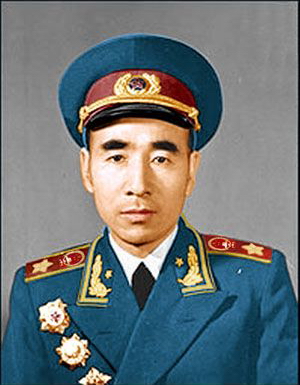
1971: Mystery crash leaves Chinese puzzle unsolved
Peking buzzed with speculation following an official announcement that the man Chairman Mao Zedong named as his successor, People’s Liberation Army chief Lin Biao, was killed in a plane crash while fleeing to the Soviet Union. The announcement said that Lin had been plotting to assassinate Mao and take power. He was the master tactician whose victory over Chiang Kai-shek’s US-backed Nationalists in 1949 made way for communism in China. He was Mao’s closest ally and it was only through Lin’s support that Mao was able to quell the turmoil of the Cultural Revolution, which had removed Mao’s chief rivals: all except Lin Biao, perhaps. The truth may never be known.
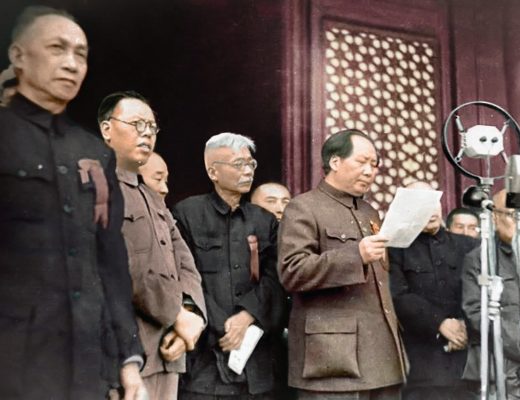
Lin Biao (December 5, 1907 – September 13, 1971) was a Marshal of the People’s Republic of China who was pivotal in the Communist victory in the Chinese Civil War, especially in Northeast China. Lin was the general who commanded the decisive Liaoshen and Pingjin Campaigns, in which he co-led the Manchurian Field Army to victory and led the People’s Liberation Army into Beijing. He crossed the Yangtze River in 1949, decisively defeated the Kuomintang and took control of the coastal provinces in Southeast China. He ranked third among the Ten Marshals. Zhu De and Peng Dehuai were considered senior to Lin, and Lin ranked directly ahead of He Long and Liu Bocheng.
Lin abstained from taking an active role in politics after the civil war ceased in 1949. He led a section of the government’s civil bureaucracy as one of the co-serving Deputy Vice Premiers of the People’s Republic of China from 1954 onwards, becoming First-ranked Vice Premier from 1964. Lin became more active in politics when named one of the co-serving Vice Chairmen of the Communist Party of China in 1958.
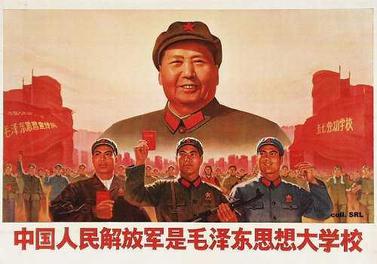
He held the three responsibilities of Vice Premier, Vice Chairman and Minister of National Defence from 1959 onwards. Lin became instrumental in creating the foundations for Mao Zedong’s cult of personality in the early 1960s, and was rewarded for his service in the Cultural Revolution by being named Mao’s designated successor as the sole Vice Chairman of the Communist Party of China, from 1966 until his death.
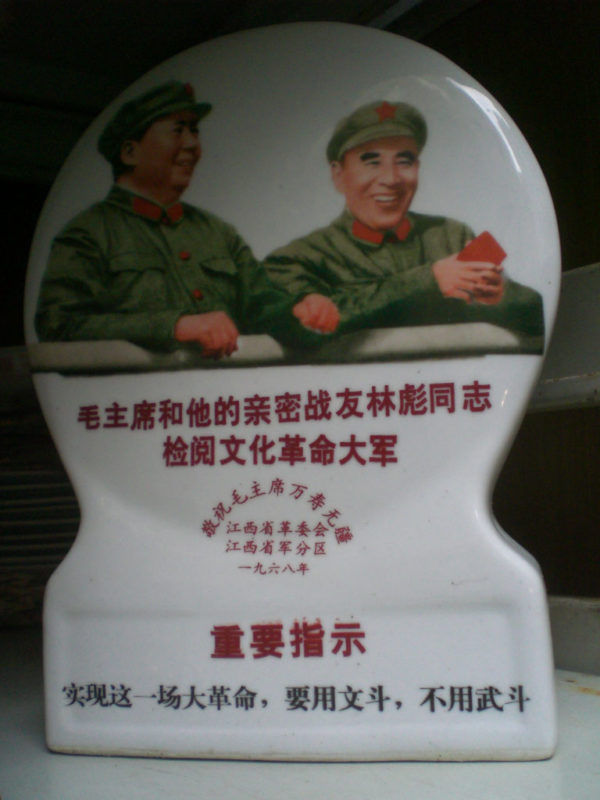
Lin died on September 13, 1971, when a Hawker Siddeley Trident he was aboard crashed in Öndörkhaan in Mongolia. The exact events of this ‘Lin Biao incident’ have been a source of speculation ever since.
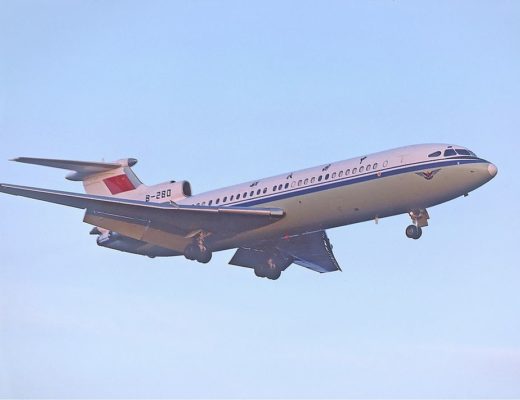
The Chinese government’s official explanation is that Lin and his family attempted to flee following a botched coup against Mao. Others have argued that they fled out of fear they would be purged, as Lin’s relationship with other Communist Party leaders had soured in the final few years of his life. Following Lin’s death, he was officially condemned as a traitor by the Communist Party.
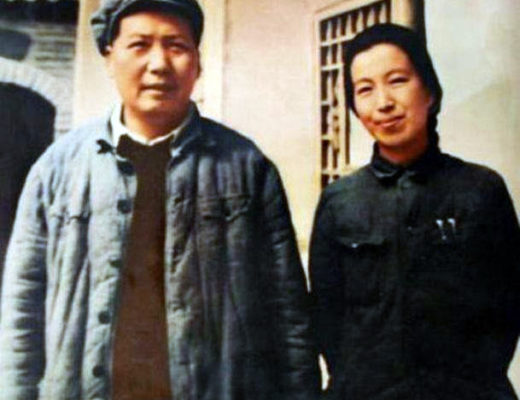
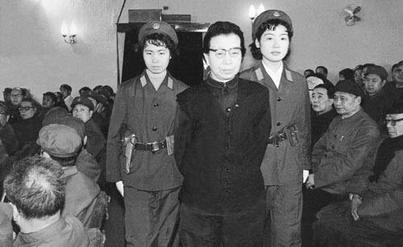
Since the late 1970s Lin, and Mao’s wife Jiang Qing (with her Gang of Four) have been labelled the two major ‘counter-revolutionary forces’ of the Cultural Revolution, receiving official blame from the Chinese government.
HAVE YOUR SAY
Like our Facebook page, follow us on Twitter and Instagram
For news straight to your phone, add us on BBM 58F3D7A7 or WhatsApp 082 421 6033