July 14: On This Day in World History … briefly
Jane Goodall has received many honours for her environmental and humanitarian work, as well as others. She was named a Dame Commander of the Most Excellent Order of the British Empire in an Investiture held in Buckingham Palace in 2004
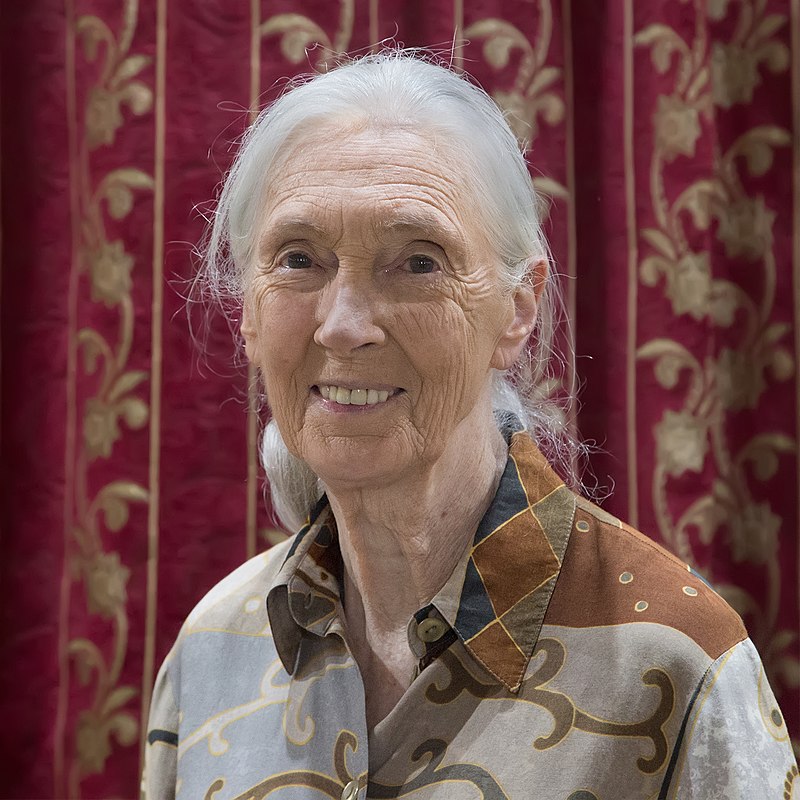
1960: Jane Goodall starts her famous study of chimpanzees in the wild
Dame Jane Morris Goodall, DBE (born Valerie Jane Morris-Goodall on April 3, 1934), formerly Baroness Jane van Lawick-Goodall, is an English primatologist and anthropologist. Considered to be the world’s foremost expert on chimpanzees, Goodall is best known for her over 55-year study of social and family interactions of wild chimpanzees since she first went to Gombe Stream National Park in Tanzania in 1960. She is the founder of the Jane Goodall Institute and the Roots & Shoots programme, and she has worked extensively on conservation and animal welfare issues. She has served on the board of the Nonhuman Rights Project since its founding in 1996. In April 2002, she was named a UN Messenger of Peace. Dr Goodall is also honorary member of the World Future Council.
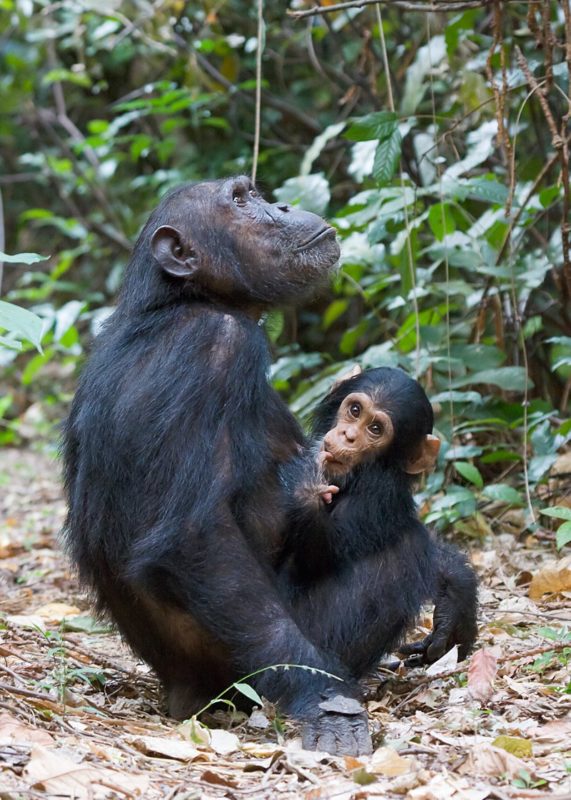
Goodall had always been passionate about animals and Africa, which brought her to the farm of a friend in the Kenya highlands in 1957. From there, she obtained work as a secretary, and acting on her friend’s advice, she telephoned Louis Leakey, the notable Kenyan archaeologist and palaeontologist, with no other thought than to make an appointment to discuss animals. Leakey, believing that the study of existing great apes could provide indications of the behaviour of early hominids, was looking for a chimpanzee researcher, though he kept the idea to himself. Instead, he proposed that Goodall work for him as a secretary. After obtaining approval from his co-researcher and wife, noted British paleo-anthropologist Mary Leakey, Louis sent Goodall to Olduvai Gorge in Tanganyika (present-day Tanzania), where he laid out his plans.
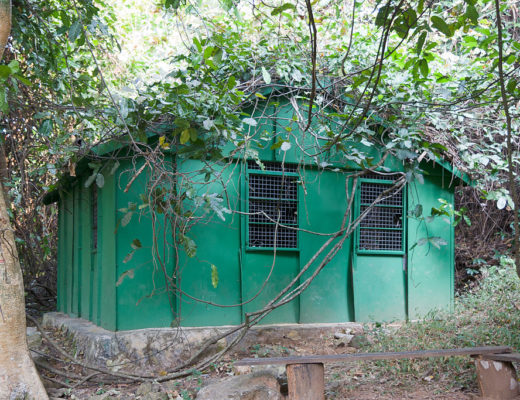
In 1958, Leakey sent Goodall to London to study primate behaviour with Osman Hill and primate anatomy with John Napier. Leakey raised funds, and on July 14, 1960, Goodall went to Gombe Stream National Park, becoming the first of what would come to be called The Trimates. She was accompanied by her mother, whose presence was necessary to satisfy the requirements of David Anstey, chief warden, who was concerned for their safety.
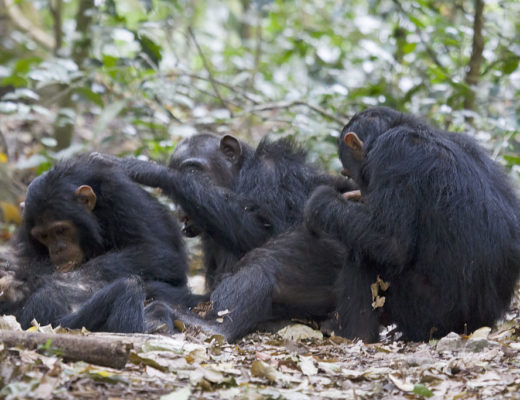
Leakey arranged funding and in 1962, he sent Goodall, who had no degree, to the University of Cambridge. She went to Newnham College, Cambridge, and obtained a PhD in ethology. She became the eighth person to be allowed to study for a PhD there without first having obtained a BA or BSc. Her thesis was completed in 1965 under the supervision of Robert Hinde on the ‘Behaviour of free-living chimpanzees’, detailing her first five years of study at the Gombe Reserve.
Most notable historic snippets or facts extracted from the book ‘On This Day’ first published in 1992 by Octopus Publishing Group Ltd, London, as well as additional supplementary information extracted from Wikipedia.
HAVE YOUR SAY
Like the South Coast Herald’s Facebook page, follow us on Twitter and Instagram
To receive our FREE email newsletter, click HERE