July 17: On This Day in World History … briefly
Despite the extent of Corrigan's illegality, he received only a mild punishment - his pilot's certificate was suspended for 14 days.
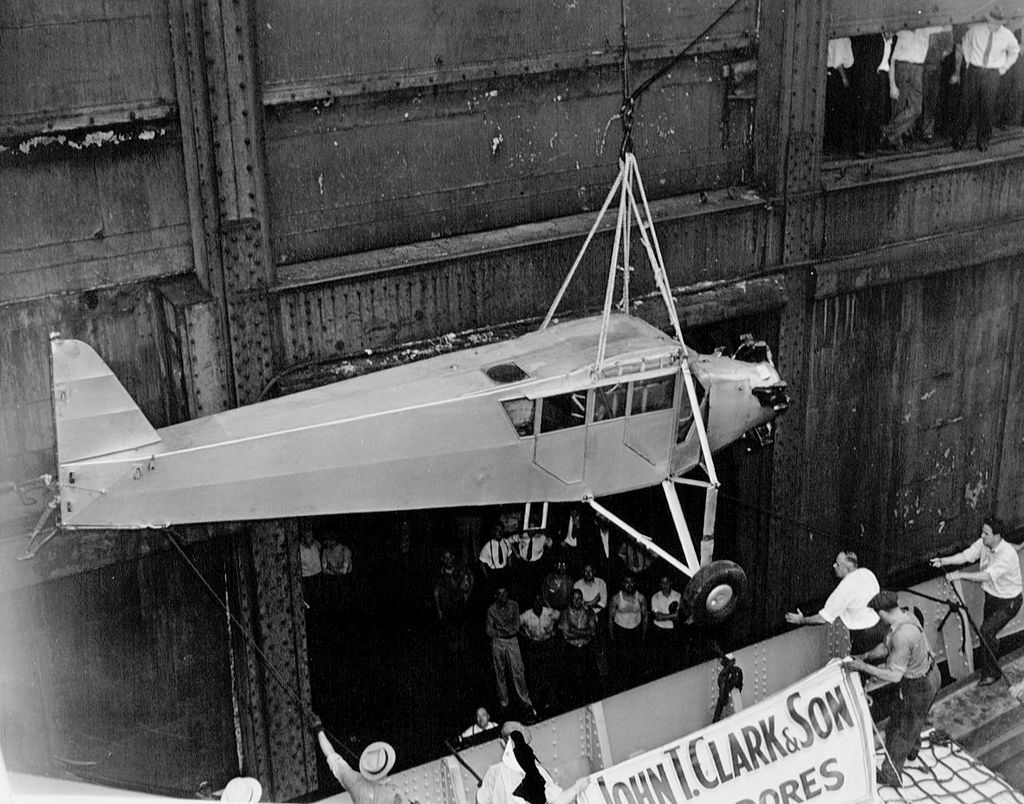
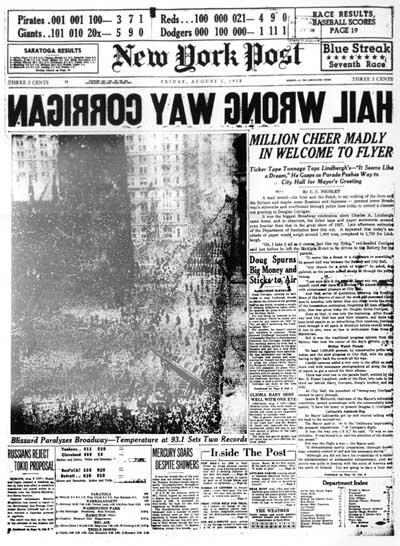
1938: Aviator finds fame after flying the ‘wrong way’ to Ireland
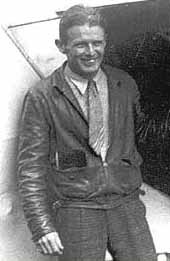
Douglas Corrigan was the American aviator born in Galveston, Texas, who was nicknamed ‘Wrong Way’ in 1938. The son of a construction engineer and a teacher, he was named Clyde Groce Corrigan after his father, but legally adopted the name Douglas as an adult. Corrigan was of Irish descent and the family moved often, until his parents finally divorced and shared custody of their children. Corrigan finally settled with his mother, brother Harry, and sister Evelyn in Los Angeles. Quitting high school, he went to work in construction. “I never had any aims,” he said after he became famous. “That’s why I never got anywhere.”
After a transcontinental flight from Long Beach, California, to New York City, he flew from Floyd Bennett Field in Brooklyn, New York, to Ireland, though his flight plan was filed to return to Long Beach. He claimed his unauthorised flight was due to a navigational error, caused by heavy cloud cover that obscured landmarks and low-light conditions, causing him to misread his compass. However, he was a skilled aircraft mechanic (he was one of the builders of Charles Lindbergh’s ‘Spirit of St. Louis’) and had made several modifications to his own plane, preparing it for his transatlantic flight. He had been denied permission to make a nonstop flight from New York to Ireland, and his ‘navigational error’ was seen as deliberate. Nevertheless, he never publicly admitted to having flown to Ireland intentionally.
Among aviation historians, Corrigan is remembered as one of the brave few who made early transoceanic flights. On his death in 1995, he was buried at Fairhaven Memorial Park in Santa Ana. His memorial is a small horizontal plaque bearing a facsimile of his signature.
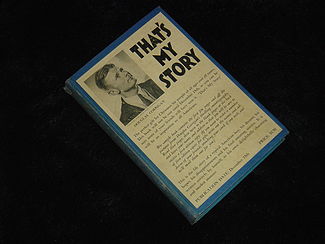
Most notable historic snippets or facts extracted from the book ‘On This Day’ first published in 1992 by Octopus Publishing Group Ltd, London, as well as additional supplementary information extracted from Wikipedia.
HAVE YOUR SAY
Like the South Coast Herald’s Facebook page, follow us on Twitter and Instagram
To receive our FREE email newsletter, click HERE