

Joburg Council approves informal settlement development policy
The framework aims to improve service delivery, strengthen tenure security and guide development in the city’s informal communities.
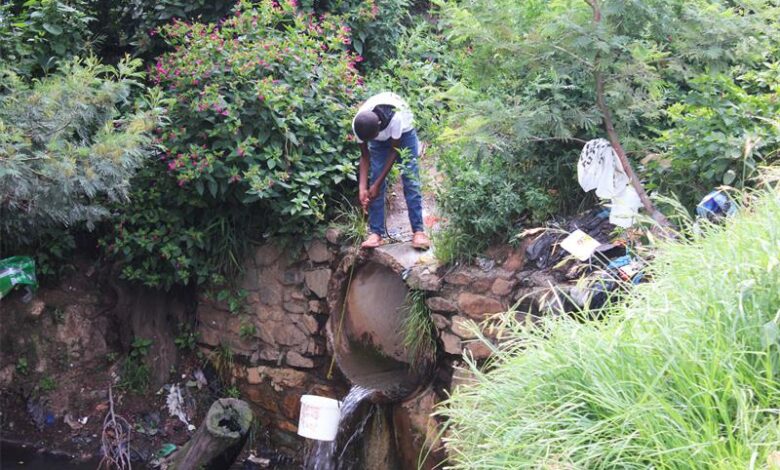
The City of Johannesburg has adopted a new framework to upgrade living conditions and restructure development across its informal communities.
The policy was approved during a council meeting on Wednesday and provides a clear framework for how the city should approach the development and upgrading of informal settlements.
“This is a huge milestone for all communities living in informal settlements, who have complained about serious service delivery challenges and a fragmented approach to the development of their areas,” said Human Settlements MMC Mlungisi Mabaso.
Mabaso said the policy would usher in a new approach to informal settlements by improving co-ordination between the city and communities.
“We are the first city in the country to have such a policy, and it will benefit generations to come as we endeavour to improve the lives of people living in informal settlements,” he said.
Guiding principles and community profiling
The policy sets out several guiding principles, including improving residents’ quality of life by providing basic services, integrating informal settlements with neighbouring townships, and ensuring meaningful participation by residents.
It also promotes an incremental approach to upgrading informal settlements, allowing development to proceed in a structured manner based on each community’s needs and circumstances.
As part of the policy, residents will be profiled and enumerated, with each household assigned a number to identify where it lives.
The city says this process will help establish accurate information about residents and prevent situations where individuals occupy or claim multiple shacks in different areas.
Tenure security and layout plans
The Department of Human Settlements will also enter into a social compact with each community. This will set out the responsibilities and expectations of both residents and the city.
A layout plan will be developed for each settlement, identifying areas for community facilities, environmental sensitivities, businesses and services, access routes and the provision of future services.
The policy also seeks to strengthen tenure security.
The city will implement the CoJ Land Use Scheme (2018), which was revised in 2024, to facilitate the creation of Transitional Residential Settlement Areas and the issuing of temporary permits.
Under the policy, the city will recognise or acknowledge an informal settlement once it has been profiled or enumerated and all relevant information about the settlement has been recorded.
The city says the policy is intended to provide a coordinated, structured approach to developing informal settlements while improving service delivery and strengthening engagement with affected communities.