

GBVF crisis is also a mental health crisis, says PR professional
Magugu Dlamini of 1Africa Consulting calls for mental health support, accountability and stronger prevention measures to address South Africa's GBVF crisis.
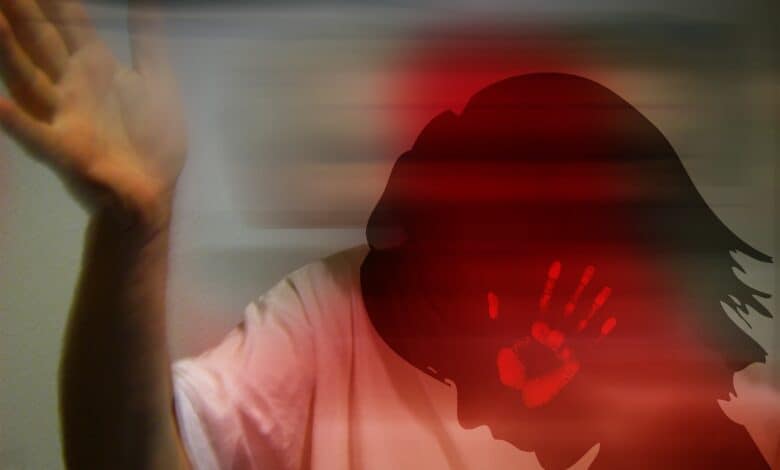
South Africa’s gender-based violence and femicide (GBVF) crisis is not only a matter of women’s safety but also a mental health concern, according to Magugu Dlamini, a media relations and public relations (PR) professional at 1Africa Consulting.
In a statement issued during Mental Health Awareness Month in October, Dlamini highlighted the lasting psychological impact of violence against women on survivors, families and communities.
The statement comes amid renewed national concern following the discovery of women’s bodies in Ekurhuleni. In September, the government confirmed that several women’s bodies had been discovered in the area, while President Cyril Ramaphosa subsequently said that 11 women’s bodies had been found in Ekurhuleni since July.
Authorities have cautioned against assuming that the cases are connected while investigations continue.
However, Dlamini said the circumstances surrounding individual cases did not change the broader reality of women’s safety and the fear experienced by many South Africans.
Violence leaves lasting psychological effects
According to Dlamini, the impact of GBVF extends beyond those who experience violence directly.
Women may change their daily routines, avoid certain roads, share their locations when travelling or regularly contact family members to confirm that they have arrived safely. Parents may also experience anxiety when their daughters are unreachable.
While these precautions may appear ordinary, constantly living with the possibility of violence can have a profound psychological impact.
The murder of a woman can also leave children, parents, siblings, friends and colleagues struggling with grief and trauma.
Children may lose their mothers and their sense of security, while families can face unanswered questions, financial pressures and the challenge of rebuilding their lives after a devastating loss.
Communities may become increasingly fearful, while repeated exposure to reports of violence can contribute to the perception that violence against women is unavoidable.
The World Health Organization recognises violence against women as a major public health problem and has linked experiences of violence to mental health consequences, including depression, anxiety and post-traumatic stress.
Dlamini said these effects could continue long after the immediate danger had passed, affecting survivors’ relationships, work, sleep, trust and sense of safety.
Mental health support must form part of the response
Dlamini said mental health services should be an integral part of South Africa’s response to GBVF rather than an optional intervention following a tragedy.
The country’s National Strategic Plan on GBVF recognises the importance of care, support and healing alongside prevention, justice and accountability. However, Dlamini stressed the need to ensure that these commitments translate into accessible services for survivors, families and communities, particularly those unable to afford private psychological support.
The statement also cautioned against treating mental health as separate from the social conditions people experience.
Survivors cannot simply be expected to move on because a criminal case has been opened, while children who have witnessed violence need appropriate support to process their experiences.
Women should not carry the burden of prevention
Dlamini said South Africa must stop placing the primary responsibility for preventing violence on women.
Women are frequently advised to avoid walking alone, travelling at night or using certain routes, while being encouraged to share their locations and remain alert to potential dangers.
Although personal safety measures can be valuable, Dlamini argued that they should not replace efforts to address perpetrators’ behaviour and the social conditions that allow violence to continue.
Women should not have to restructure their lives around the possibility of being harmed by someone else.
Prevention efforts must begin earlier, with boys and young men taught that control is not love, violence is not an acceptable response to conflict, and consent and respect are essential to healthy relationships.
Men should also be encouraged to challenge misogynistic attitudes and violent behaviour among their peers.
Schools, families, sports organisations, faith communities and civil-society organisations all have a role to play in changing attitudes before harmful behaviour escalates into violence.
Businesses urged to support affected employees
Dlamini also highlighted the impact of GBVF on the workplace.
Employees experiencing domestic violence may arrive at work frightened, exhausted or traumatised. Others may be grieving the murder of a partner or family member, or supporting children who have witnessed violence.
These experiences can affect employees even when they are expected to maintain their usual work responsibilities.
Dlamini said employers should establish meaningful support systems, including confidential counselling, referral pathways and appropriate workplace policies.
Workplaces should also provide environments in which employees can seek assistance without fear of stigma.
Coordinated action needed to address GBVF
Dlamini said government, law enforcement, healthcare professionals, businesses, communities and civil society must work together to strengthen prevention, survivor support, mental health services, accountability and education.
The establishment of the National Council on Gender-Based Violence and Femicide presents an opportunity to improve coordination. However, Dlamini cautioned that structures alone would not resolve the crisis.
Their effectiveness should be measured by whether they lead to meaningful changes in people’s lives.
South Africa’s response should be measured not only by arrests, court cases and public statements, but also by whether survivors can access assistance, families receive meaningful support, communities feel safer and women can go about their daily lives without constantly fearing for their safety.
Dlamini said resilience should never become an excuse for society to tolerate violence.
Government must strengthen accountability and support services, institutions must respond appropriately when people seek help, businesses must recognise the impact of GBVF on employees, and communities must challenge harmful behaviour.
Families and schools also have a responsibility to teach young people about respect, consent and healthy relationships.
Building a future beyond fear
As Mental Health Awareness Month draws attention to the importance of mental wellbeing, Dlamini said South Africa must also confront the conditions contributing to psychological distress.
Mental wellbeing cannot be separated from personal safety, nor can safety be separated from efforts to end gender-based violence.
South Africa needs a society in which women are not expected merely to become better at surviving fear, but can live without constantly anticipating violence.
The response to GBVF should therefore extend beyond mourning victims and reacting to individual tragedies. It must include meaningful support for survivors and affected families, accessible mental health services, accountability for perpetrators and sustained efforts to prevent violence.
The ultimate goal is not simply to mourn women better, but to build a country where fewer families have to mourn the loss of their loved ones.


