
From a point of Scrap Dealers in the South
As scrap dealers seem to be “the root of all evil” and are considered the pariahs of modern society, I would like to share my thoughts as a local (licensed) scrap dealer. Firstly, the scrap industry is highly regulated, and under the Second-Hand Goods Act, all scrap dealers must be registered and licensed via their …
As scrap dealers seem to be “the root of all evil” and are considered the pariahs of modern society, I would like to share my thoughts as a local (licensed) scrap dealer.
Firstly, the scrap industry is highly regulated, and under the Second-Hand Goods Act, all scrap dealers must be registered and licensed via their local police station.
To obtain registration, the applicant must not have any criminal record, have a registered company and also be SARS registered for VAT. Applicants must also have their fingerprints taken at the police station. If/when the license is issued, the license should be displayed at the scrap dealer for public scrutiny.
They must also keep a register of all purchases (seller’s ID number/address) and record these details in a log book.
Contrary to popular belief, the police makes regular visits to scrap dealers and often brings in experts from Eskom, City Power, Transnet etc to inspect the scrap and search the premises to ensure no stolen goods are being purchased. The penalty, should a dealer be found in possession of stolen goods and convicted, is up to 10 years imprisonment.
Each police station has a DPO (Dedicated Police Officer) who regularly visits not only scrap dealers, but also pawn shops and other cash-for-goods operations to ensure compliance with the law.
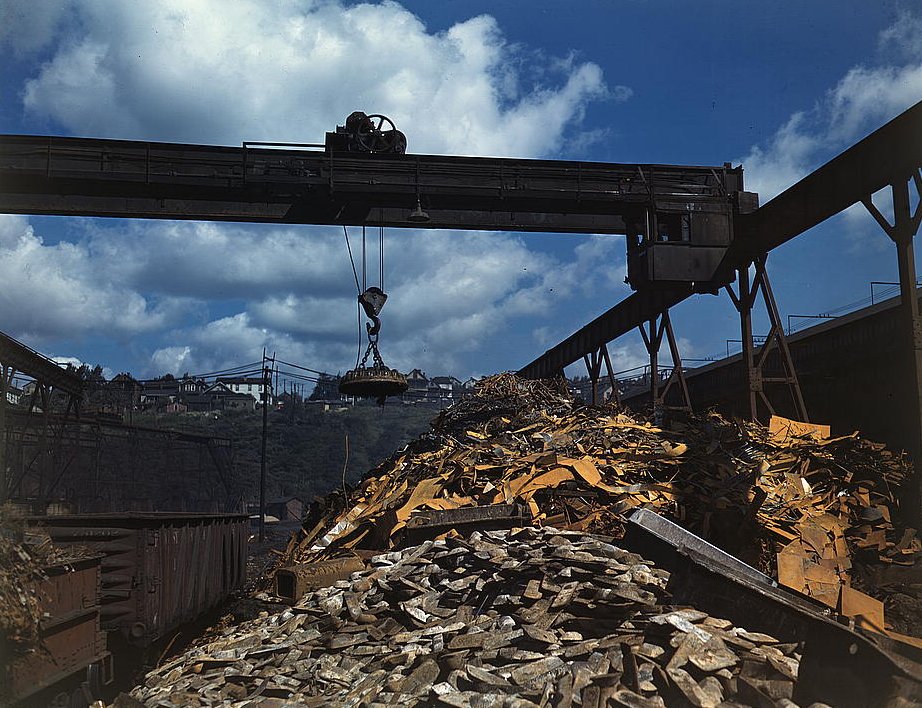
The scrap industry in South Africa employs tens of thousands of people and is a major contributor to the economy in both the formal and informal sectors.
Metal scrap is sold to foundries and smelters both locally and overseas and is re-melted to make castings, appliances, motor vehicles etc.
Be aware that the person rummaging through your dustbin on Pikitup day is an unpaid, unofficial recycler who is eking out a living by selling scrap metal, paper, cardboard or plastic to scrap dealers. All these types of scrap, which would otherwise be dumped on the ever-growing landfill sites, are recycled.
In fact, approximately 40 per cent of the metal scrap collected in South Africa is exported, earning millions of rands in export sales.
Of course, as in many businesses, there are rotten apples in the barrel who create a generally bad impression of the scrap industry, but you will find the more established businesses are running a licensed, reputable business and obey the law.
Unfortunately, some people think they can open a scrap yard in a retail shop or in their backyard, and it is often these fly-by-night operations who are dealing in stolen goods and give the entire industry a bad reputation. The police rapidly closes down such unlicensed operations.
Any reputable scrap dealer should be able to identify stolen property, be it from Eskom, City Power, Telkom, Transnet, Johannesburg Municipality etc and will not purchase such scrap. He simply wants to run a legitimate operation.
Trevor Banks
Skoro-koro Scrap Metals
Augusta Road, Regents Park
011 435 7783