

Poetry considered therapeutic by clinical psychologist
The Avbob poetry competition, which opens on August 1 invites poets to submit poetry in all 11 official languages.
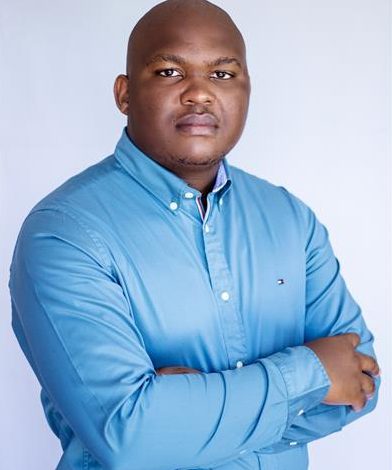
Clinical psychologist and award-winning poet Musawenkosi Khanyile explores the intersection between poetry, which is said to be therapeutic, and therapy, which can be poetic.
Under lockdown, threats of joblessness, loss of income and the stress of work-from-home-at-work situations exacted a toll on the serenity and sobriety of individuals and families.
According to Khanyile, many people needed mental health help in response to the isolation and economic disruption.
“Writing is a common way to make sense of trauma. If a client is already writing, I might invite them to share their writing with me so that the therapeutic process extends to reflections occurring outside the therapeutic space,” he said.
He helps clients explore the depths of their experience as they undertake the journey of recovery from trauma, depression, anxiety and other related issues.
“Poetry is a literal and metaphoric tool for self-reflection and self-healing. It can be a passageway to the parts of ourselves that have been long buried deep within us, most often by trauma and shame. Some healing requires the empathic presence of the other, especially someone with the professional expertise to help us process our traumas,” said Khanyile.
He also believes that poetry alone does not move people beyond the hardships of their childhood.
In-depth
Khanyile reiterated that dreams and poems contain similar elements and comparable dynamics.
“Shifty moods, shimmering images and apparent incompatibilities merge to create new metaphors for the human experience. When a client attempts to describe their depressed state, the metaphors just spill out. The abstract nature of mental illness is such that everyday language is insufficient to describe the experience,” he said.
He also pointed out that emotional trauma is housed in the same right brain that is dominant when people use metaphors.
“Writing can be medicine for those who wish to heal their wounds and shift towards personal integration. It requires a delicate handling of the topic to prevent the writer from being re-traumatised and to avoid traumatising the reader,” said Khanyile.
Writing poetry can be therapeutic, but on its own, it is said not to be a substitute for therapy itself.
“Writing has, over the years, helped me sit with uncomfortable negative emotions. It still helps me process emotionally traumatic experiences. But it has its limits, which is understandable because in poetry I am alone with my trauma and with my blind spots,” he said.
Poetry has many functions, serving as inspiration, a learning opportunity, re-envisioning the world, comfort and sheer pleasure. He said it can promote growth and healing through language, symbol and story.
“The title of the book, All the Places, speaks to the places which the psyche passes through, from disintegration and fragmentation to coherence and containment, where healing happens. Reading, writing, performing and studying poetry aligns with the work of therapy,” said Khanyile.
These activities can reportedly offer a structured and contained experience of creativity that helps to perceive oneself as a coherent whole. For his literary pleasure, Khanyile tries to read as widely as possible but always returns to his favourite writers. These include Mangaliso Buzani, Sindiswa Busuku, Mxolisi Nyezwa, Ocean Vuong and Kobus Moolman.
For more information, visit: www.avbobpoetry.co.za/Blog/ViewAll