

Interpretation of genuine parts
A lot has been said recently about the implementation of the Competition Commission Guidelines and its subsequent impact on both the motoring sector and the consumer.
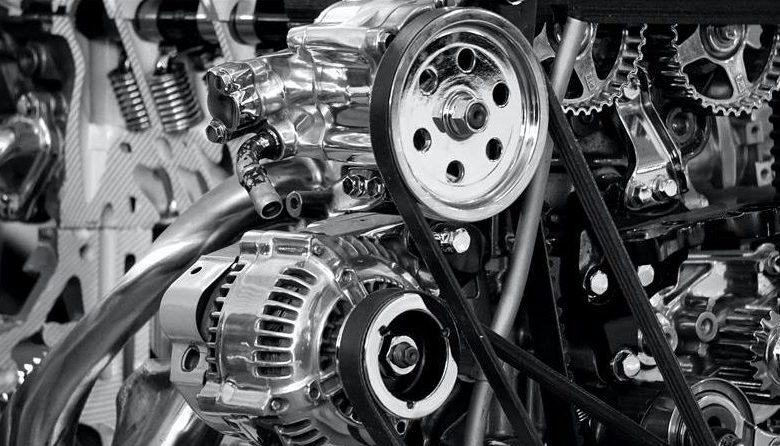
One of the grey issues still subject to debate is the definition of component parts. In terms of the classification original parts or genuine parts are one thing, but what about parts of equal matching quality?
Hedley Judd, national director of the Tyre Equipment Parts Association, a proud association of the Retail Motor Industry Organisation, said the debate essentially centres on Original Equipment Manufacturers (OEM) parts versus the reputable aftermarket brand products.
Judd said in the guidelines reference is made to the original parts being made by or for the OEM who is interpreted as being motor vehicle manufacturers.
He explained in reality the definition of OEM parts needs to be extended to include the component parts manufacturers as well, as they are the originators of the parts which are manufactured, branded and sold in the market.
These parts are often either rebranded and sold at OEM’s or are rebranded as aftermarket house brands.
“It follows that component parts that carry a traceable identity from a reputable manufacturer of the parts must also be classified as original parts and can be sourced from a reputable spares dealer.
“As long as the seller can provide traceability and integrity of the parts, the consumer is not at risk,” said Judd.
Judd said the problem with the guidelines is that the classification is not clear. All parts that are not deemed as ‘original parts’ are grouped into one definition only.
Effectively this means all genuine aftermarket replacement parts, used parts (which were OEM fitted), all pirate parts and all counterfeit parts fall into the same category.
This grouping creates confusion and is not accurate.
“In practice, the OEM vehicle manufacturers commission/outsource orders to tier one, two and three manufacturers to manufacturer all the parts that are required in the assembly of a vehicle.
“These same tier level manufacturers are the owners of the brands that they supply to the aftermarket, through reputable distribution chains. Thus it makes sense that those same products offered under reputable branding and through reputable distribution channels are of equal and matching quality to those repackaged and offered in the OEM branded packaging.”
Consumers need to be aware that they can still source their genuine replacement parts from their local spares dealer without fear of compromise on quality or warranty, provided the brand is reputable and traceable.
Judd said accredited associations like TEPA are committed to protecting the consumer interests in the automotive replacement parts market, through the TEPA member-based component parts supply chain which includes the component manufacturing sector.
“These all form part of the genuine parts offering from manufacturers who also make the same products for OEM vehicle brands,” concluded Judd.