
Molefe Thwala explores grief, memory and healing in new solo exhibition
Through striking printmaking, layered imagery and mixed media, the work art showcases creative leadership.
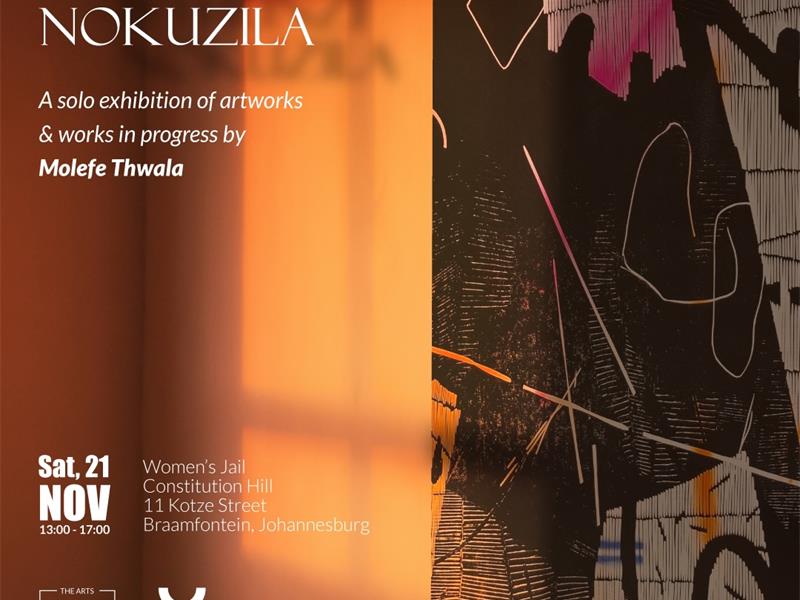
Molefe Thwala, an established figure in South Africa’s contemporary art landscape, will showcase a journey of grief, memory, and healing in his solo exhibition at the historic Women’s Jail at Constitution Hill on November 21, 2026.
The show, named Isithunzi nokuzila (Shadow and Mourning), touches on memories, emotions and experiences carried long after loss and how to mourn the things, people and parts of ourselves left behind.
Thwala’s career spans artistic practice, exhibition curation and creative leadership. His work has been exhibited internationally, including in Paris, and forms part of collections at the Johannesburg Art Gallery and William Humphreys Art Gallery.
As CEO of the Arts Company Soweto, he has also played a significant role in developing exhibitions, collaborations and opportunities for African artists. Working primarily in printmaking, primarily linocut and monotype, Thwala extends his practice into installation, video and found objects.
ALSO READ: Robot Boii drops Gibela music video
In the latest body of work, Thwala turns his attention to one of the most universal yet deeply individual human experiences: grief. Isithunzi nokuzila examines the rituals, memories and emotional landscapes that shape our experience of loss.
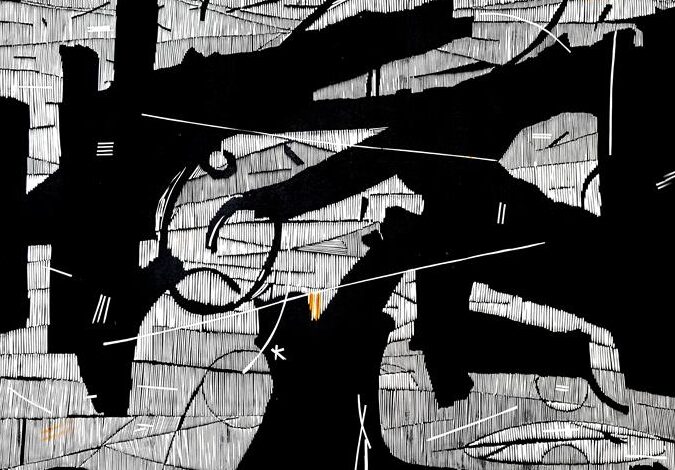
The exhibition’s visual language is bold; dark forms sit alongside intricate linear textures, fragmented shapes and vivid passages of pink and orange. Fine, repeated marks create rhythm and movement, while overlapping shapes and contrasting areas of light and darkness suggest the shifting relationship between memory, presence, and absence.
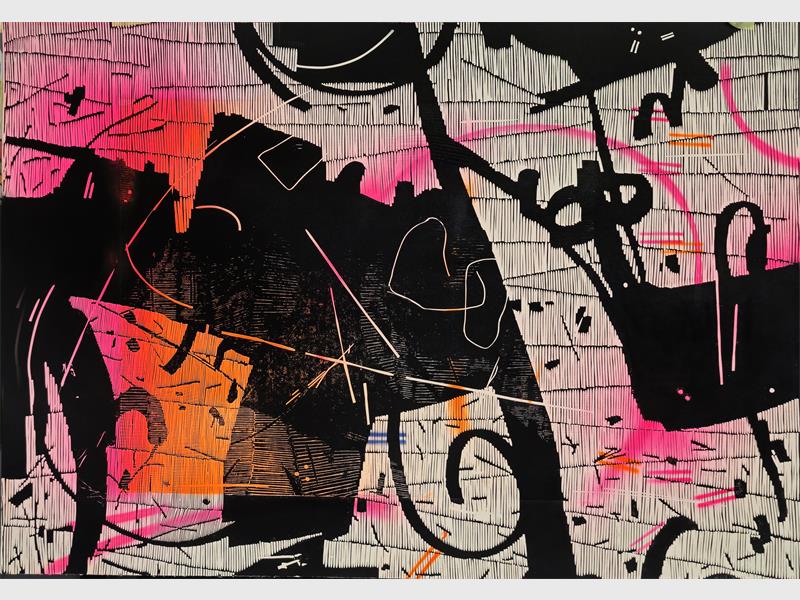
The exhibition is a vessel for memory, a presence through which the past continues to inhabit and influence the present.
The choice of Constitutional Hill as the exhibition’s setting offers an additional layer of reflection. Once a place of imprisonment and suffering, the Women’s Jail now forms part of a memory. The exhibition creates an opportunity to consider how personal experiences of loss intersect with broader histories of pain, resilience and healing.