
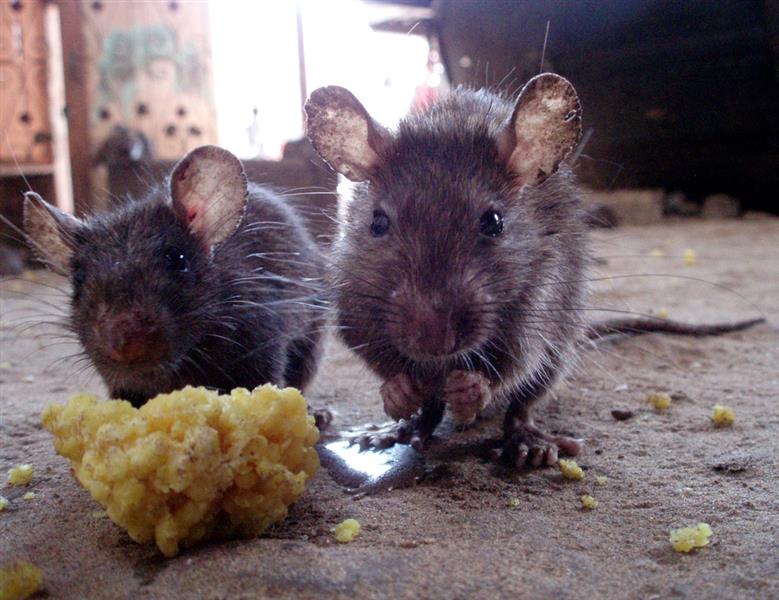
Following claims by Springs resident Lettie Kok about a colony of rats in the CBD and along Eighth and Tenth streets, the Ekurhuleni Metro has admitted to the ‘challenge of a rat infestation’.
According to metro spokesman Themba Gadebe, council is addressing the problem.
Gadebe points out that the metro is only responsible for the control of rodent infestation on council premises.
“Every owner of private property is responsible for the control of rats on their own properties,” he says.
The municipality, however, has to ensure that owners of private stands address rodent infestations and can apply the municipal by-laws if they fail to do so.
Rats are mainly attracted to overgrown properties and unattended storage facilities.
Food is made available to rats through exposed garbage at illegal dumping spots and improperly stored waste.
Rats are drawn to dog food or other pet food that has been left out for the animal to eat during the day, or food stored in containers that are not rodent proof.
Rats are also attracted to leaking taps, uncovered drains and stagnant water.
Gadebe says rats can transmit over 30 diseases including plague, leptospiros (a bacterial infection), haemorrhagic fever, Ebola and salmonellosis.
He adds these diseases can be fatal.
To prevent rat infestation, check for signs such as rat droppings and the smell of rat urine, keep your premises clean, remove dog food after feeding, seal cracks in walls and close all pipes.
Gadebe says once rat droppings are found appoint a pest control company to treat the infested area.