
Guideline for parents on bullying
When a parent discovers their child is being bullied it can be devastating.
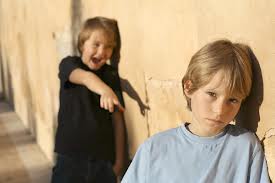
The parents might feel bewildered, scared, sad, guilty, angry or helpless and may even feel like a target themselves.
While it is important to recognise and acknowledge all those emotions, remember that feelings alone will not change the situation.
The most effective thing a parent can do is focus on the issue and develop a plan.
First, make sure that the issue is bullying and not routine childhood conflict.
It’s bullying if the action is hurtful, intentional, and repetitive, and there is a power imbalance between the children.
Sometimes children are afraid or embarrassed to talk about bullying.
If a parent suspects their child may be a target of bullying, they may want to try these approaches to find out for sure.
Ask and listen:
- Did someone hurt the child on purpose?
- Is the other person bigger than the child or scaring them?
- Did the child know the other was being hurt?
Watch for signs such as:
- Suddenly wanting to be driven to school instead of taking the bus
- Unexplained stomach aches or headaches
- Changes in sleep routines or temperament
Teach direct and indirect techniques for dealing with bullies.
Parents may want to encourage their child to:
- Avoid situations where bullying occurs
- Hang out with classmates, friends, peers, or siblings
- Tell the child who is bullying to stop
- Do something the bully does not expect or want, yell, blow a whistle, laugh
Children who interact with peers are less likely to be bullied.
Help a child by:
- Joining an after-school programme or activity
- Develop a hobby that allows interaction with others
Talk with teachers and administrators.
- Notify them of the situation in writing.
- Schools are obligated to respond to bullying.
- Discuss ways the school can help, such as by developing a bullying awareness programme.
- Offer to speak to the school board and be the ‘bullying expert’.
Source: The South African Depression and Anxiety Group.