
Is your insurance sufficient?
Mandy Barrett, Manager of Personal Lines Marketing & Sales at Aon South Africa has issued the following warning and advice to home, vehicle and business owners in the midst of the current adverse weather which has seen huge damage reported in all three categories.
Mandy comments that the East Rand has been declared a Natural Catastrophe Zone by many of the country’s insurers.
“The East Rand has been declared a NatCat zone by insurers after heavy rainfalls and flash floods caused extensive damage to vehicles and property in the vicinity of Linksfield and the Gilloolys interchange on Wednesday.
“As at lunchtime yesterday (Thursday) over 150 claims had already been lodged in Aon’s call centre alone, and continued to pour in,” she says.
Some insurers have set up facilities at salvage yards for vehicles that were submerged to be immediately assessed.
Huge property losses have also been incurred, especially in the vicinity of the Jukskei River which burst its banks.
Check out this weekend’s weather here.
“While it’s still too early to quantify the extent of the damage, expectations are that this will be significant and claims handling at all insurance companies will be kicked into high gear to deal with the influx.”
According to Mandy, in the last four years, weather-related damage has cost the insurance industry a staggering R2.5-billion in losses.
She explains while severe weather is not an uncommon occurrence in South Africa, what makes the events in Gauteng particularly noteworthy is the net retained exposure that the province represents.
“Gauteng’s built-up area constitutes only 0.5% of SA’s land surface area, but due to the fact that the area is so densely populated, Gauteng constitutes 35% of the exposure to catastrophic events such as hail storms and flash floods.”

Not All Insurance is Created Equal – Get Professional Advice
“Many consumers still believe that we are more insulated from extreme weather conditions such as hail storms, floods and strong winds, so they tend to cut their cover on the flawed premise that extreme weather events are too unlikely to happen.
“You certainly don’t have to live in the vicinity of a dam, lake or river to experience floods as yesterday’s events prove.
“If we look at the last five years especially, climate change looks set to continue to play havoc.
“One of the most important learnings that consumers can take out of the recent weather catastrophes is to assess whether they are properly covered for worst case scenarios before it is too late.”
In this regard, Mandy comments a professional broker plays an invaluable role in guiding you through a proper needs analysis, interpreting the policy terms and conditions, helping you mitigate your risk, and in turn managing your premium costs.
“Insuring your most important assets – likely to be your vehicles, home and everything in it – and your ability to recover from a major catastrophe, should be approached in the same way as investing in the stock market – you’re unlikely to do it without professional advice,” says Mandy.
Many people don’t have a clue what their policy terms and provisions actually mean.
If going the D-I-Y approach without professional advice, it’s unlikely that they will be able to differentiate what is being sacrificed if premium price is their only means of comparing insurance covers.
“Cheap insurance premiums are cheap for a reason – they usually cover only the absolute basics and any additional cover such as hail, flood damage and so on need to be purchased at an additional premium.
“If you don’t know this, you could assume that you’re covered for a peril when in fact you are not.
“You’re likely to find this out the hard way – at claims time – when it is too late.”
Filing your claim for a NatCat
Mandy offers the following advice for policyholders filing claims after this week’s flash floods:
- Notify your broker or insurer of the claim as soon as possible. Assess the damage and make a comprehensive list of all items and damage. With the building industry heading for its annual shutdown in December, the race is on to get damages sorted.
- With high claims volumes, there’s likely to be a shortage of hire cars so don’t delay.
- If you house was flooded, try and clear out as much water as possible to prevent further or permanent damage. Take photos – this will be very helpful to the insurance assessor for repair purposes.
- Insurers work with pre-approved repair companies – check with your broker before you embark on any emergency repairs with non-approved contractors or you may pay a higher excess.
- Based on previous scenarios with high claims volumes, you could experience delays in repair due to the strain on available capacity of service providers. Some insurers might not extend cover such as car hire where the repair is authorised but the repairer is unable to complete motor vehicle repairs within the required period. If the car is still in a driveable state, wait until the new year to take your vehicle for repairs if the repairer cannot confirm that this will be completed before the year end close.
- Talk to your broker to make sure you are properly insured for all eventualities going forward. Under insurance is possibly the biggest reason for partial pay out of claims, if not outright rejection.
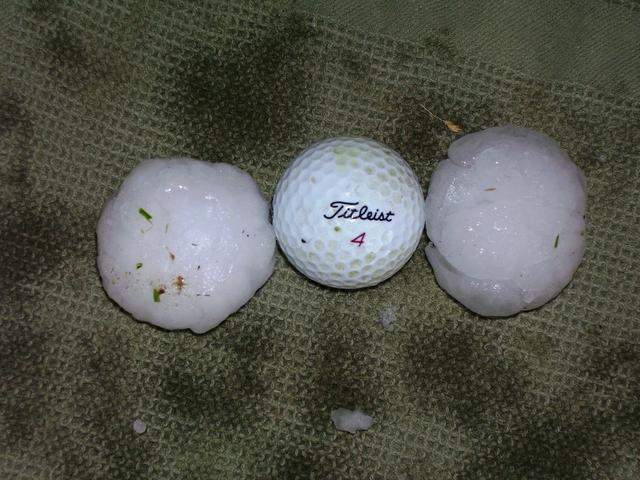
According to Mandy, severe weather conditions, from golf ball-sized hail to heavy rainfalls and flooding are a far more regular occurrence and will continue to increase in frequency and voracity.
Consumers need to make sure that their insurance policies cover them comprehensively, not only for the damage, but for any alternative arrangements that need to be made while the damage is being repaired.