
5th Avenue shop owner left crippled by defamatory Facebook post
For Laher, the court order is a shallow victory.
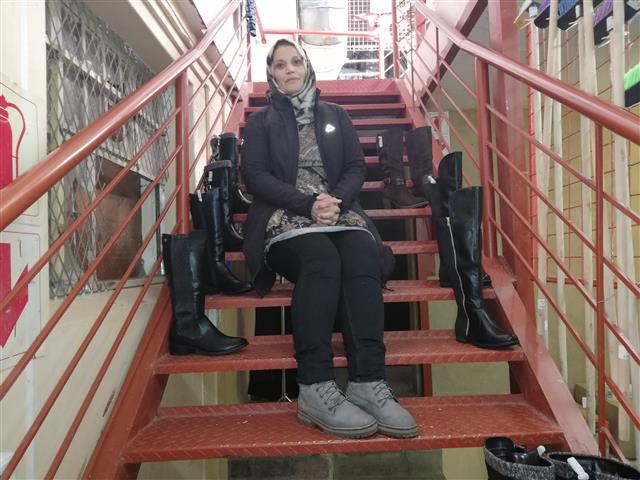
Shereen Laher of Lahers is devastated after a defamatory post on Facebook in March this year threatened to ruin her life and business.
According to attorneys Abrahams and Gross defamation can be described as the wrongful and intentional publication of a defamatory statement concerning the complainant which has the effect of tarnishing the complainant’s good name or reputation.
From this definition there are three essential elements that must be present in order for the complainant to be successful in a claim for defamation, namely:
1. Wrongfulness – The defamatory comment or statement must lead the community to attach a negative connotation to the statement
2. Intentional – This subjective concept comprises two components. Firstly, the direction of the defamer’s will towards injuring the reputation of the complainant and secondly, the defamer must have the necessary knowledge to know that the complainant’s reputation would suffer.
3. Publication – A factual violation of one’s right to reputation can only occur if one person communicates a defamatory statement to a third person, i.e. via publication. The publication can be written, made verbally or even by using body language or hand gestures. The test which applies to this element is whether a reasonable objective person would understand the communication in a negative light.
Of the Facebook post, it contained all three elements as it accused the business of committing a crime leading the public to view it in a negative light, hurt the shop’s reputation and was published on Facebook and shared widely across the social media site.
Also read: SA defamation law: media defendants and Average Joe’s belong on equal footing
Speaking of the day the post was made, the author of the post came into the shop on 5th Avenue, browsed around and when she was asked if she would like to go see the shoes upstairs, said no and walked out of the shop.
Later that evening, Laher started getting calls and texts from people asking her if she had seen the post.
“I was completely upset when I found out about it.
“I tried speaking to her to try and get her to retract the statement but she wouldn’t and that’s when I got the lawyers involved.
“Initially she was going to agree to retract it, and then she called her sister and her sister advised her not to sign anything and walk away,” says Laher.
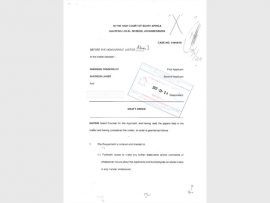
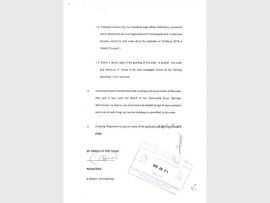
Laher says she was granted a court order by the Gauteng High Court that ordered the author of the post to delete the post, not make any more posts either about the business or its employees and publish the court order in the local newspaper.
Also read: Why a social media post can get you fired
For Laher, the court order is a shallow victory.
“I physically feel sick by what has happened.
“She walked into the shop, caused havoc in my life and walked away scot-free.
“On top of that, the livelihood of my business and employees has been affected, young girls are now scared to come into the shop and stand outside and talk about what they read on Facebook,” says Laher.
When the Addie contacted the author of the post to get her side of the story on Friday, she said it was a “long story” and asked us to call her on Monday morning, which was done, but she never answered our calls or returned our messages.
Laher says she hopes she can salvage her business and clear her reputation.
“I’ve been here since 2000 and the majority of my employees are single mothers and need to look after their families.
“I hope this can be a lesson to others about the dangers of social media and the sharing of fake news,” says Laher.

Follow us on our social media platforms: