Modderbee Correctional Service hosts dialogue for offenders
The dialogue was facilitated under the theme 'Faith Changing Offenders’ Lives Towards Building A New Story'.
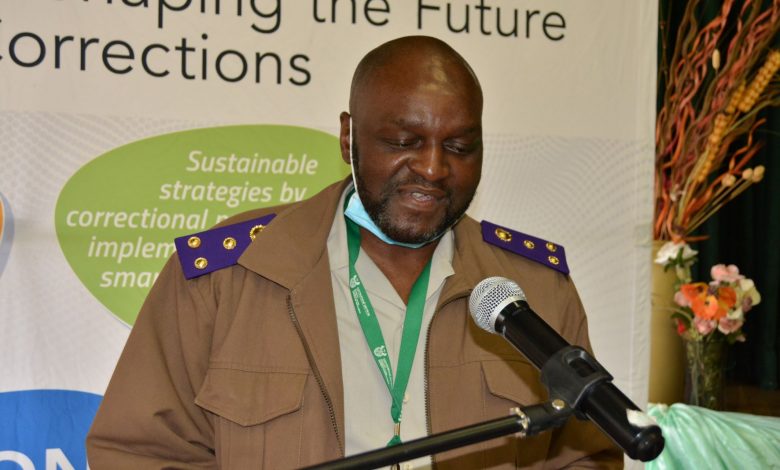
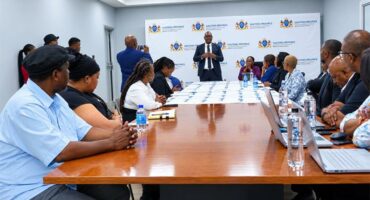
Modderbee Correctional Service hosted a national dialogue of the faith community on crime and corrections, justice and retribution, responsibility and rehabilitation at Modderbee Management Area last week.
The dialogue was facilitated under the theme ‘Faith Changing Offenders’ Lives Towards Building A New Story’.
The sessions aimed to bring together faith groups to discuss issues of common interest to intensify collaboration in terms of services and programmes that are rendered and to learn best practices to build a better tomorrow for all.
“It was a three-day interfaith board on corrections induction workshop that seeks to achieve the enhancement of religious tolerance, promote rehabilitation that will lead to social harmony, successful rehabilitation and reintegration of offenders,” explained Olivia Mothapo, the centre’s communications officer.
Also read: New Modderbee recruits welcomed
The Gauteng regional commissioner, Grace Molatedi, in her welcoming remarks, said that interfaith is not a competition between religious groups, but a positive reinforcement that is open for reconciliation, tolerance and to create correctional facilities as places of healing to avoid racial war and lead to forgiveness.
“This was a unique opportunity of presenting different religious groups where traditions and various faiths preserve to offer better alternatives that can hold offenders accountable and challenge them to change their lives,” she added.
The session was also supported by a member of parliament, Prof Mathole Motshega.
Acting national commissioner Makgothi Thobakgale, in his keynote address, said he appreciated all formations, movements and institutions that contribute to the work and the direction that the Department of Correctional Service wants to take through this session.
He further emphasised the impact of the presentation that the forum brought forth, that of international perception on how to shape the direction of rehabilitation in corrections.
Through the faith-based interventions, offenders will deal better with the battle of forces to cultivate their minds and soul, he said.
“These are structured personal ways to reach the offender and to deal with battles, such as general doubt, gangsterism and family rejection. Offenders need an opportunity to view the society differently from the interventions that are real and in my view, the only window that does not have a bias of a specific sectoral mandate is the personal well-being or faith-based window because they are looked upon as human beings than any other,” he said.
In attendance were Umsamo Institute, CRL Rights commission, Hope The Prison Ministry, ART, Hindu, Rastafarians, Muslims, Bahai, Christians, African Traditional healers, Khoisan, Jewish, KARA and Buddhists.
Follow us on our social media platforms: