
SPCA urges pet owners to keep animals warm this winter
The local SPCA has shared tips for keeping animals safe during winter, including signs of cold-related distress and how to prepare outdoor shelters.
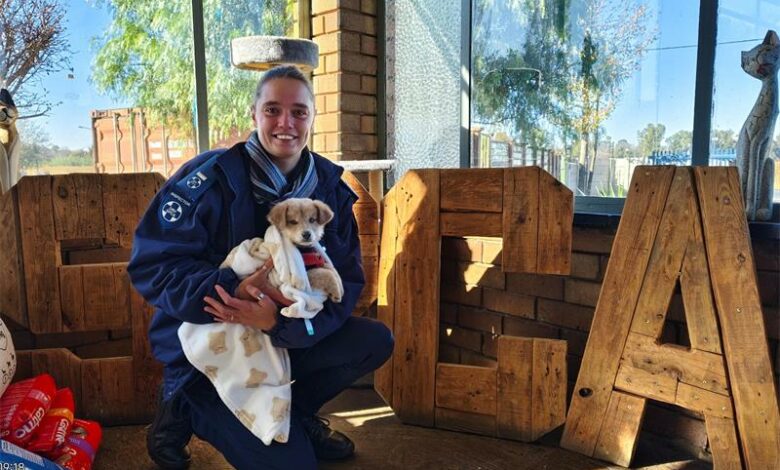
As the cold season sets in, the Springs SPCA has urged the community to keep their pets warm. Annecia Le Roux, the SPCA’s manager, said that pets face various dangers during the cold weather.
She explained that pets may face dangers such as hypothermia, frostbite, dehydration, burns, and arthritis flare-ups.
Le Roux also said that the best way for pet owners to protect their pets is to bring them inside.
She added that if the pets are outdoor animals, owners should:
• Provide a well-insulated kennel that is windproof, elevated off the ground, and lined with dry straw or blankets (not towels or newspaper, which retain moisture)
• Ensure constant access to unfrozen water
• Feed slightly more – outdoor pets burn more calories to stay warm
• Provide windbreaks around shelters (bales of hay, shade netting, or wooden panels)
• Use safe heating methods only and avoid heat lamps that can cause fires
• Install a plastic flap or cover over the kennel door to block wind and rain.
Le Roux said that pet owners should watch for signs that indicate their pets are cold or in distress.
“Signs include shivering or trembling, lethargy or weakness, whining, barking, restlessness, and attempts to get your attention,” she said.
“Curling up tightly, lifting paws off the ground, ice forming on fur or whiskers, pale or grey gums and skin (especially on extremities), or slow or shallow breathing may indicate advanced hypothermia. Limping or reluctance to walk could be due to painful paws,” she said.
She also said that there are pets that are more vulnerable to the winter, which includes:
• Short-haired breeds (Pit Bulls, Greyhounds, Dobermanns)
• Small dogs and cats, as they lose heat faster
• Senior pets and puppies/kittens with poor temperature regulation
• Sick or underweight animals
• Exotic pets (rabbits, birds, reptiles) that require warm indoor housing
• Breeds with arthritis or joint problems
• Even cold-weather breeds (like Huskies or Malamutes) still need shelter in extreme conditions
“Even so-called ‘cold weather breeds’ (like huskies or malamutes) need shelter and care in extreme conditions,” said Le Roux,
She said that if someone witnesses an animal suffering in the cold, they should document it by taking photos or videos of the animal, its shelter, and the conditions.
They should also record the location and time, and contact the local SPCA or the NSPCA immediately.
Additional tips and useful information from the SPCA:
• Car safety: Bang on your car’s hood before starting it, as cats often crawl inside for warmth.
• Reflective gear: Days are shorter, so use reflective collars or coats during evening walks.
• Avoid leaving pets in cars during winter, as they can act like refrigerators and trap cold air.
• Even indoor pets need warmth: avoid tile floors or drafty windows, and offer warm bedding.