
Springs SPCA urges residents to protect pets from fireworks this festive season
As fireworks season approaches, SPCA manager Annecia Le Roux is reminding residents to act responsibly. Loud bangs and bright flashes cause panic, injuries, and lasting fear in pets and wildlife.
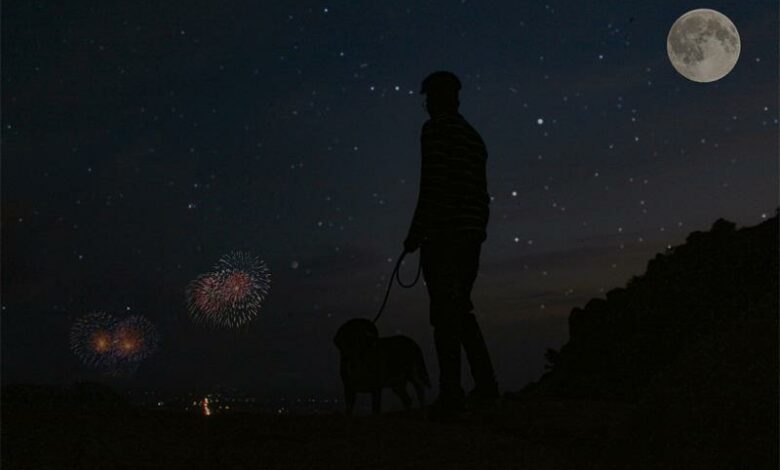
With fireworks celebrations looming, SPCA manager Annecia Le Roux is reminding residents that fireworks pose serious risks to animals and must be handled with care and consideration.
She said that fireworks pose significant risks to animals, both physically and psychologically. The loud explosions, flashing lights, and vibrations can cause severe fear, stress, and anxiety in pets and wildlife.
She explained that frightened animals often try to flee, leading to accidents, injuries, or even getting lost.
“Pets may also harm themselves trying to escape through windows, fences, or doors. Additionally, the chemical residue and debris from fireworks can be toxic if ingested,” said Le Roux.
She also said that animals have a very different sensory perception of fireworks than humans because their hearing is so sensitive.
Le Roux added that many animals interpret the sounds and flashes as threats, triggering a ‘fight or flight’ response. This can lead to trembling, hiding, pacing, drooling, panting, or frantic attempts to escape.
To comfort pets, Le Roux said, owners should keep them indoors in a quiet, safe room with curtains closed.
“Do not leave your pets alone during this time; they need you,” she said.
Playing soft music or a television, offering comfort items like their bed or toys, and remaining calm can also help.
She also suggested consulting a vet for calming products or mild sedatives if needed. The signs of stress to watch out for after fireworks are shaking, drooling, pacing, or refusal to eat.
“Some pets may develop long-term fear responses such as hiding at sudden noises or avoiding outdoor areas,” Le Roux noted. In such cases, owners should seek advice from a vet or behaviourist.
On nights when fireworks are set off, she said pets must be indoors at all times. Secure all windows, doors and gates to prevent escape. Close curtains and blinds to reduce light flashes.
She advised ensuring the pet has access to a comfortable, familiar space to retreat to. She continued to encourage pet owners to ensure that all microchip and ID tag information is updated. In the event that a pet goes missing, Le Roux said owners should waste no time.
“Immediately contact your local SPCA, animal welfare organisations, and veterinary clinics to report your missing pet. Provide a clear description, microchip number, and photo,” she said.
She also recommended searching calmly and posting in community groups while leaving familiar scents outside to help guide the pet home.
Le Roux appealed to the community to be more responsible when celebrating. She added that communities can make a significant difference by opting for compassion over noise.
“Don’t use fireworks close to residential areas or open fields where animals are kept and without valid permits. Join organised, permitted, controlled displays rather than using fireworks at home.”
She added that people should educate others about the distress fireworks cause to pets and wildlife and support campaigns for silent fireworks or alternative celebrations.
“Ultimately, responsible celebration means ensuring our enjoyment never comes at the expense of animal welfare,” Le Roux concluded.