Payneville Primary School raises awareness on children’s mental health and developmental support
Teacher Rebecca Langa says the programme aimed to bridge healthcare and knowledge gaps affecting learners and families.
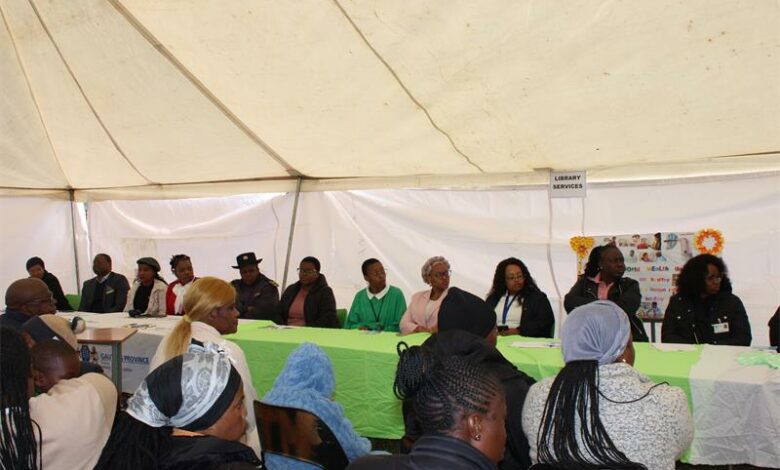
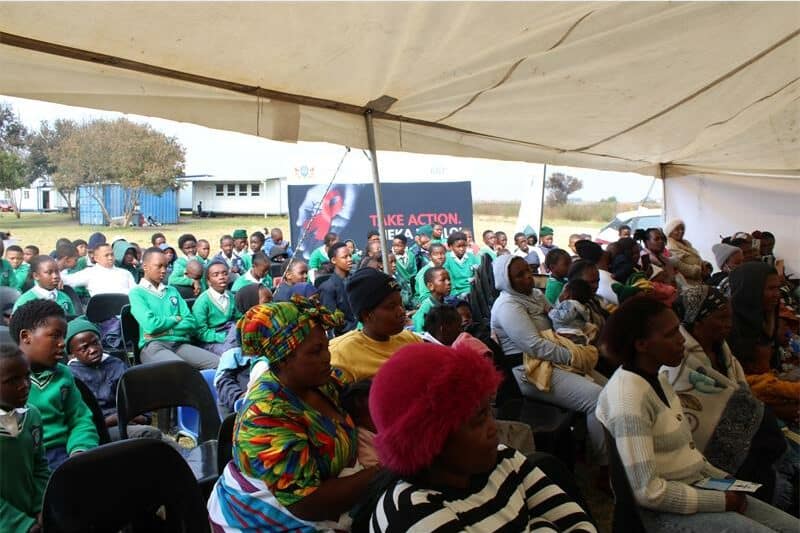
Parents and various stakeholders, including the Department of Social Development, Springs Clinic and Far East Rand Regional Hospital, gathered at Payneville Primary School during a World Health Day programme on May 19.
It was aimed at raising awareness about children’s mental health, developmental challenges and access to support. It also discussed the importance of early intervention and inclusive education for learners with special needs.
Rebecca Langa, school teacher and organiser, told the Springs Advertiser that the programme was inspired by the gaps the school witnesses daily in learner support and healthcare access.
“The gap we see daily and the push to make inclusive education visible inspired this event. Hosting this programme is a way to close that gap,” she said.
Langa explained that many learners miss out on therapy, health education and other support services due to a lack of information and access.
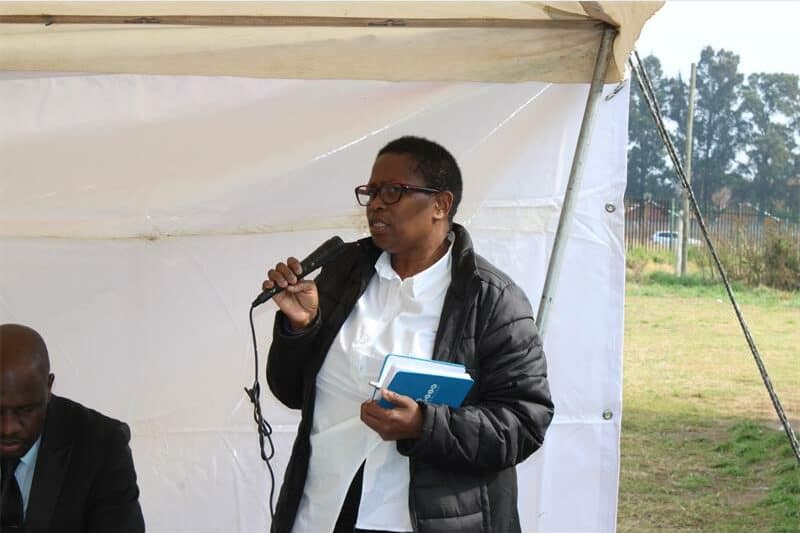
She said involving parents and healthcare stakeholders was important because support for learners should continue beyond the classroom.
“What parents gain from the event won’t stop when school closes. They continue at home with the information received from the event. Without them, strategies on how to support their children stay locked in the classroom,” she said.
According to Langa, healthcare stakeholders also play an important role in identifying developmental delays, hearing and vision problems and ensuring children are referred for professional support and follow-up care.
She added that they explain what services exist and how to access them. Langa said the school hoped the programme would help learners and parents feel more included and empowered.
“Most learners in special needs classes quickly pick up when they are excluded or treated differently. The event is a chance to change that,” she said.
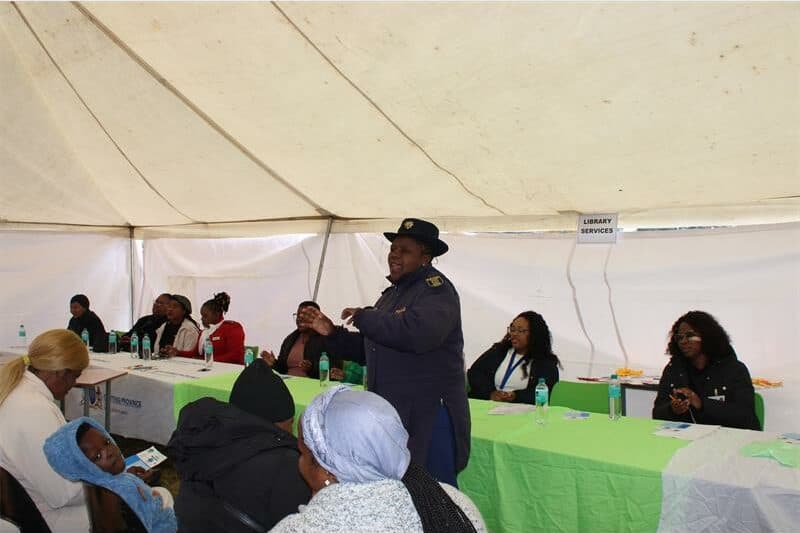
She added that many parents often carry guilt or confusion about how to support their children. The programme also highlighted the importance of health education in learner development.
“Health education is foundational to learning. If a learner doesn’t feel okay physically and emotionally, cognitive development stalls,” said Langa.
She explained that health education equips learners with the skills to manage their own wellbeing and independence, especially for children living with disabilities.
Langa raised concerns about undiagnosed conditions that are often misunderstood as bad behaviour or poor academic ability.
“The school identifies the need for therapy services, but there are long waiting lists. Private care is unaffordable for most families. A small delay becomes a bigger gap. Parents feel stuck, and teachers feel like they are working without tools,” she said.
The school plans to continue promoting healthy lifestyles and learner wellbeing by building health habits into the daily timetable, hosting quarterly screening visits with local clinics and inviting occupational therapy and speech therapy students to engage with parents and staff.
Parents and community members responded positively to the programme but expressed hope that more healthcare services and referrals would become accessible through the school.
“They are expecting progress in terms of getting health services coming to the school as well as referrals for early identification of problems,” she said.
Far East Rand Hospital’s HOD in psychology, Dr Lucky Tshikovhele, stressed the importance of reducing the stigma around psychological assessments for children.
ALSO CHECK: Restored artillery gun unveiled at Springs War Memorial
Tshikovhele said the hospital’s psychology department regularly receives referrals from Payneville Primary for learners struggling academically and behaviourally.
“It’s okay to have your child evaluated. It’s okay to understand that children are different,” he said.
He encouraged parents to work closely with educators and healthcare professionals when concerns about a child arise.
“A problem that is treated earlier or intervened on earlier always has better chances of success in future,” he added.
Langa confirmed that the school plans to host similar awareness programmes in future to strengthen support systems for learners and help bridge healthcare and knowledge gaps within the community.