Springs’ Art Deco treasures could unlock tourism and economic growth
Museum founder Tony da Cruz believes restoring Springs' historic Art Deco buildings could boost tourism, create jobs and preserve the town's rich architectural heritage.
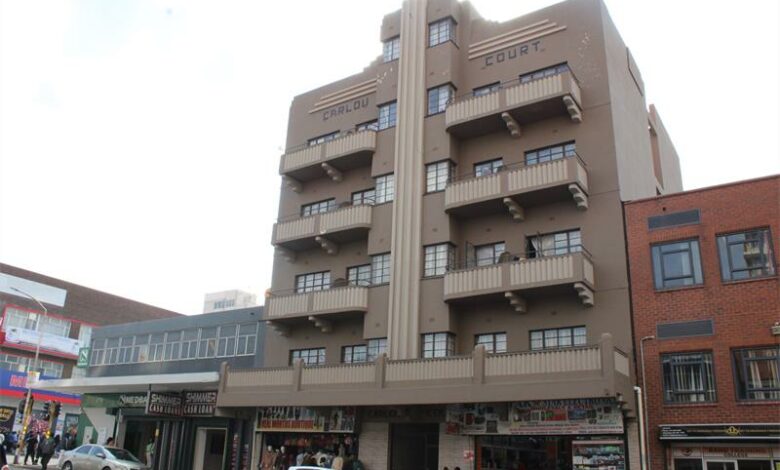
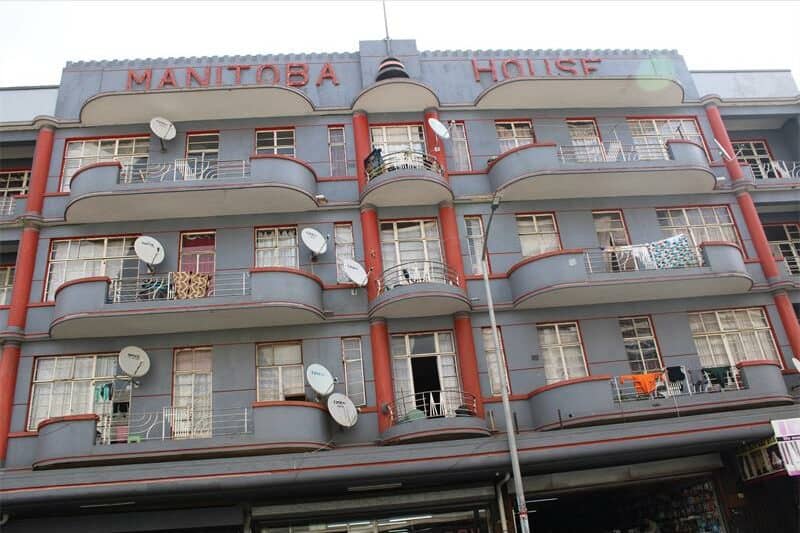
The streets of Springs are home to some of South Africa’s finest examples of Art Deco architecture, yet many of these historic buildings are slowly deteriorating.
Founder of the Springs Mine and Military Museum (Springs MMM), Tony da Cruz, recently took the Springs Advertiser on a tour of several of the town’s landmark buildings, sharing their history and the opportunities they present for tourism and economic growth.
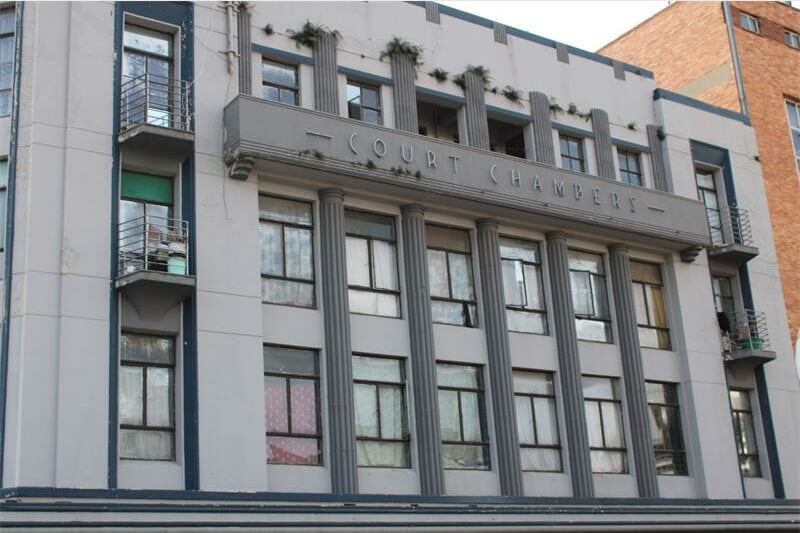
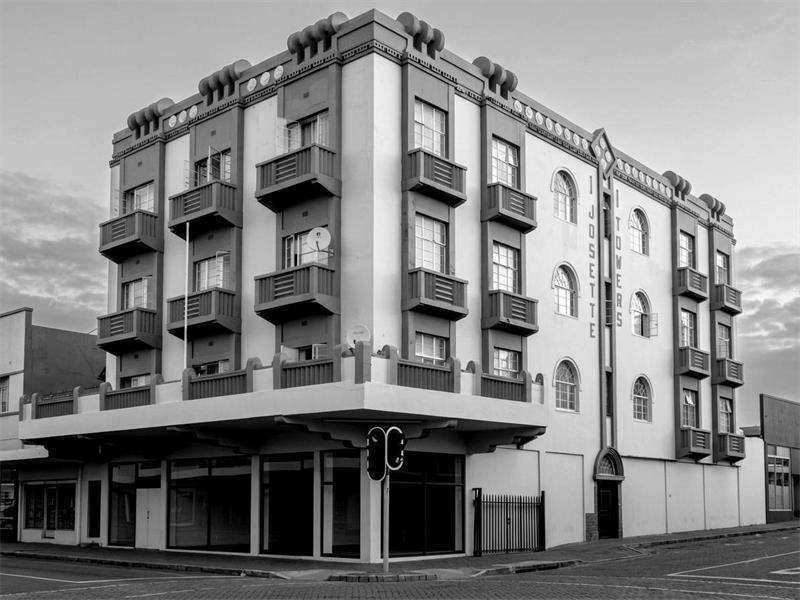
Among the buildings visited were the well-known Marie Court and Josette Towers, named after the daughters of the original owner,, as well as the Coalition Building, the Court Chambers, and the historic Springs Fire Station, among others.
Da Cruz explained that Art Deco architecture became popular between 1925 and 1939, following the First World War, when countries entered a new era of peace and prosperity.
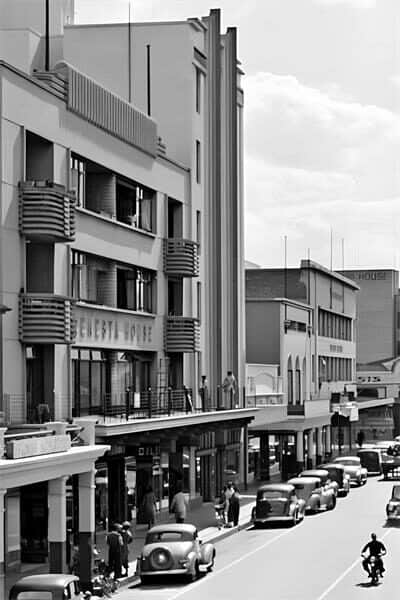
“Culturally, economies rebuilt after the war and everyone wanted to show they were entering a new era of peace and prosperity.
“The best way for wealthy people to show this was by constructing buildings with intricate detail and decorative features,” he said.
He added that the movement gained recognition through an international architectural festival in Paris, with geometric designs becoming popular.
Unlike conventional buildings, Da Cruz said Art Deco structures were designed to stand out.
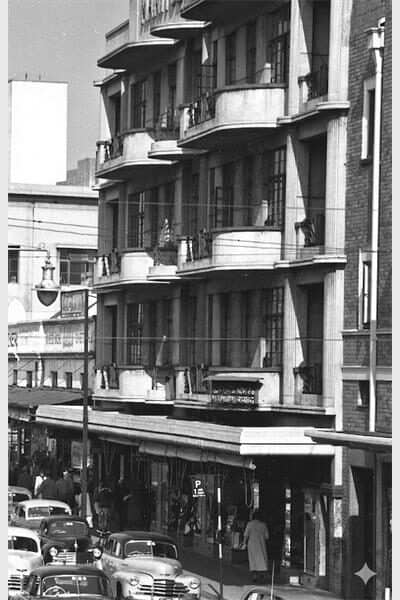
“The flat poles, the plastering and the trim on buildings like the Coalition Building are purely there for decorative purposes to make the building look unique,” Da Cruz said.
He said the craftsmanship required highly skilled artisans rather than ordinary labourers.
“It wasn’t the kind of work done by labourers. It took Italian or Portuguese master craftsmen from Europe to complete the detailed work meticulously,” he said.
According to Da Cruz, these buildings reflected status and prosperity, with many of their decorative features serving no structural purpose other than enhancing their appearance.
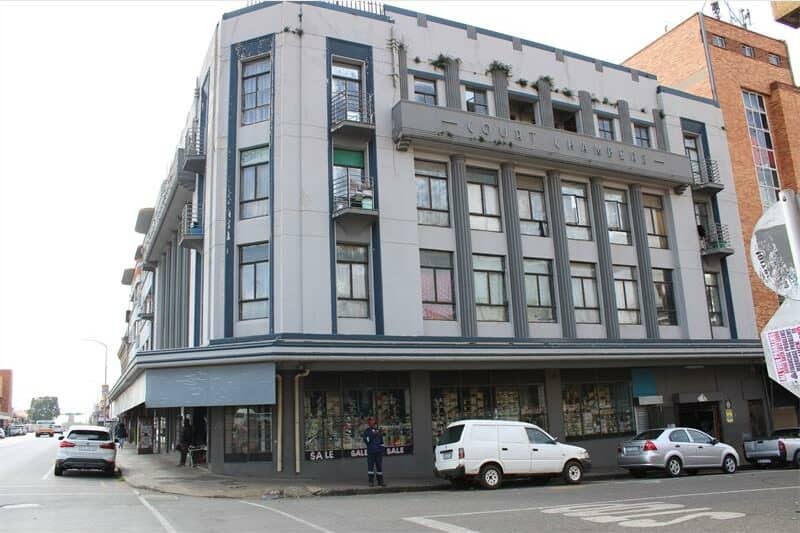
He used the Court Chambers as another example of the attention to detail found in Art Deco architecture.
“The columns are individually splined. The building wasn’t initially built for accommodation; it was built for professionals such as lawyers,” he said.
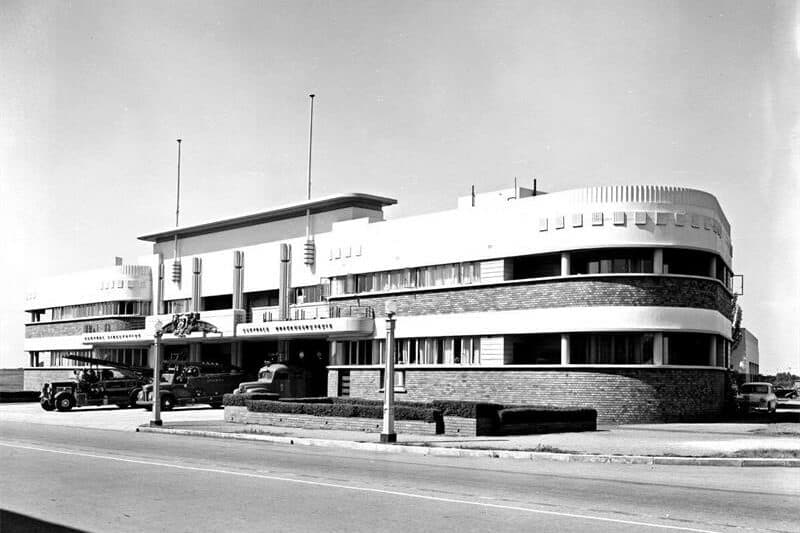
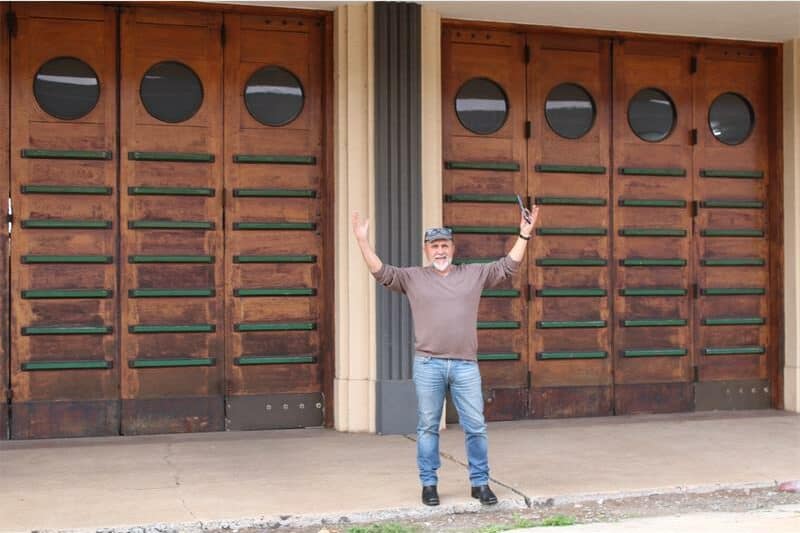
One of the tour’s highlights was the historic Springs Fire Station, which Da Cruz described as one of the country’s finest architectural landmarks.
“This is a national monument. It is considered the most beautiful fire station in South Africa geometrically,” Da Cruz explained.
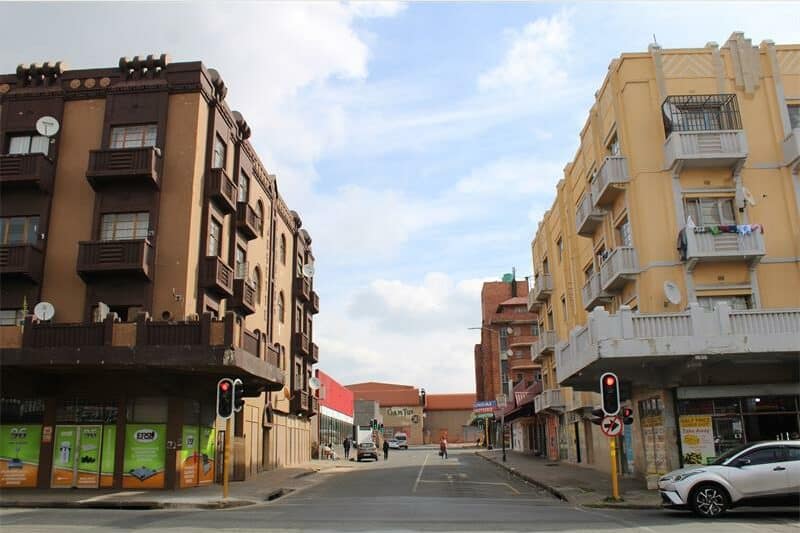
Photo: Buhle Matsoele
However, he expressed concern that alterations made over the years have diminished some of its original features.
“It now has steel shuttering at the corners of the top part. It’s made of zinc, which degrades its artistic value.
“It originally had walls with trims and edging which are important parts of the architectural design,” he said.
Da Cruz believes preserving these buildings could become a catalyst for heritage tourism in Springs.
“Imagine a tour once a week starting at the fire station and continuing throughout the town. The problem is the decay in how the buildings look now due to a lack of maintenance,” he highlighted.
He said restoring and maintaining the buildings will not only preserve Springs’ history but also create employment opportunities.
“Restoration can create work for skilled workers while heritage tourism could create opportunities for young people as tour guides. Architecturally and artistically, we should preserve the beauty of these buildings,” Da Cruz concluded.
The Springs Advertiser sent an enquiry to the City of Ekurhuleni about the maintenance and restoration of the buildings, but had no response by the time of publication.