Rotary and Rovers lend a helping hand to Springs wildlife rehabilitation centre
A two-day partnership has given the South African Wildlife and Rehabilitation Centre much-needed maintenance support while helping raise awareness of the facility's work in rehabilitating injured wildlife.
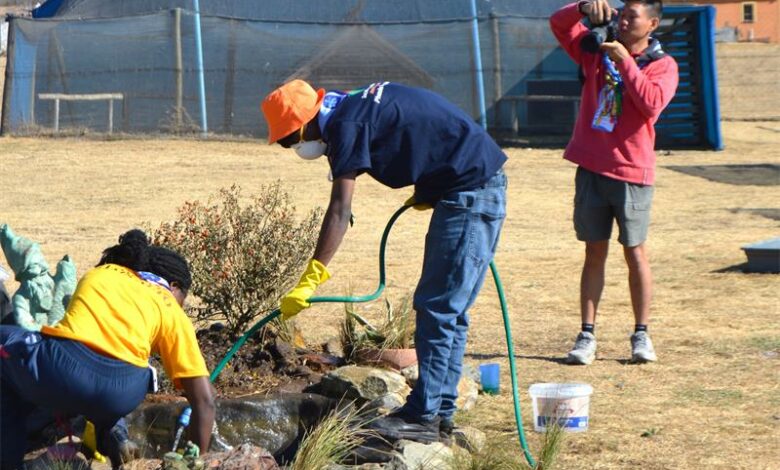
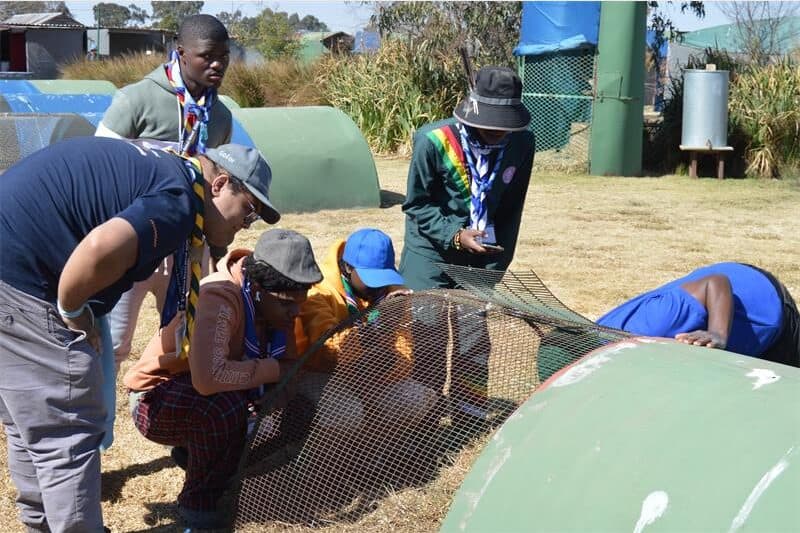
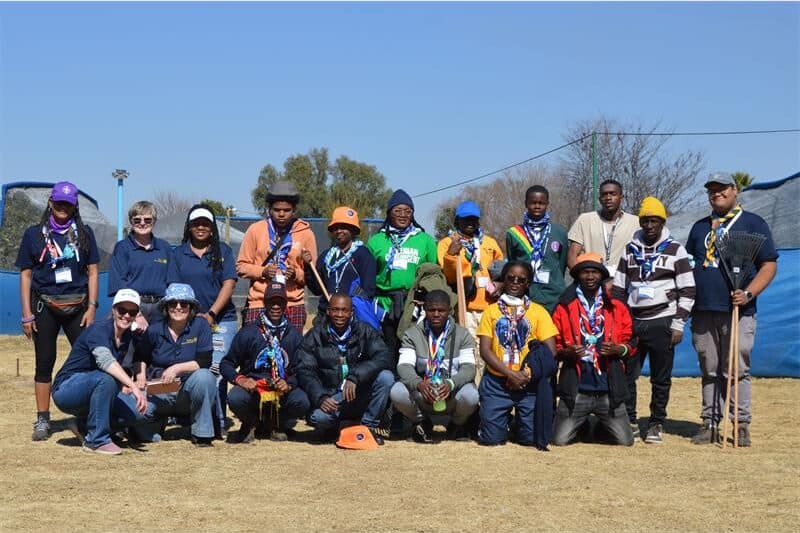
The South African Wildlife and Rehabilitation Centre in Vischkuil received much-needed assistance from the Rotary East Rand eClub and an international delegation of Rovers as part of a two-day collaboration focused on maintenance, animal care and conservation education on August 3 and 4.
According to the centre’s CEO, Judy Davidson, the partnership will not only provide practical assistance but also help raise awareness about the rehabilitation centre and its work.
“I think the partnership with Rotary East Rand and the Rovers will increase the knowledge that the rehab is here,” Davidson said.
She added that the collaboration could also help the centre access some of the resources it needs to continue operating while creating opportunities to educate more people about wildlife rehabilitation.
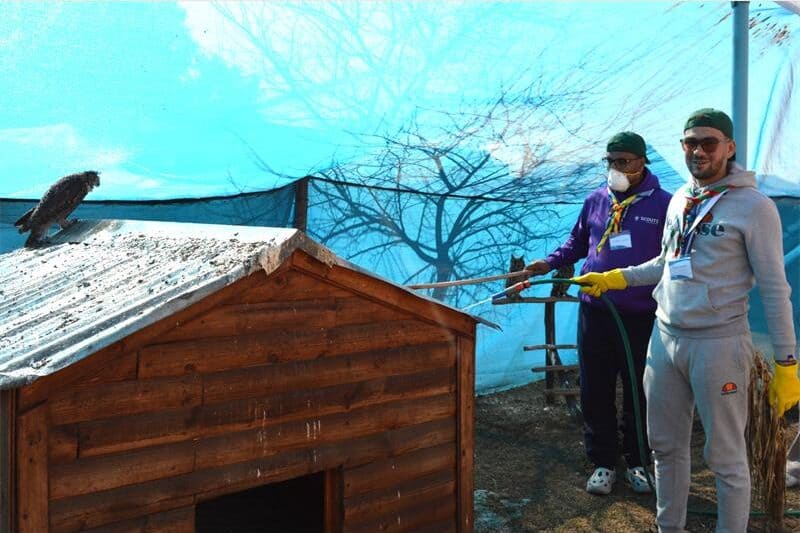
One of the main areas that received attention during the project was the centre’s aviaries. Davidson said the facility revamps its aviaries every winter, with many requiring repainting approximately every two years, along with replacement of shade netting.
The maintenance is essential to ensure the animals remain in safe and secure enclosures.
“It is needed to make sure that our cases have secure aviaries and enclosures, ones where they can’t injure themselves if they fly around,” she said.
The centre also works with specialised rehabilitation facilities when animals require care specific to their species.
Davidson said monkeys from the centre are being sent to a monkey rehabilitation facility in Limpopo, while a meerkat will be sent to Solid Earth Meerkat Rehab in the North West’s Kalahari region.
Other animals are placed in what Davidson described as ‘soft release’ enclosures. These large enclosures are located on conservancies or reserves and allow animals to gradually adapt to their future surroundings.
The process helps animals become accustomed to the local environment, including the prey and vegetation they will encounter once released.
“It gets the animals used to the area and also gets them nice and wild and used to the prey or vegetation that they are going to be encountering there,” Davidson said.
The volunteers’ maintenance work will contribute to this process by ensuring animals have safe and secure environments in which to remain until they are ready for soft release.
Despite the importance of the work, Davidson said one of the centre’s biggest challenges remains financial.
The facility needs to purchase specialised food for the wildlife in its care and cover veterinary expenses, making financial support an ongoing need.
For Davidson, the ultimate measure of successful rehabilitation is seeing an animal fully integrate into the wild and eventually reproduce.
She pointed to a serval cat released at Skilderkrantz Conservancy as an example. The animal is now pregnant and breeding successfully.
ALSO CHECK: SAPS officers unite over potjie at provincial cooking competition
“That is our aim: to see them integrate with nature absolutely perfectly. And it’s extremely rewarding. It’s a sign of a job well done when that happens,” she said.
Davidson urged members of the public to help raise awareness about the centre so that people who find injured wildlife know where to take them.
She also highlighted the need for volunteer transporters who can assist with taking injured animals to the rehabilitation centre or directly to a veterinarian.
Looking ahead, Davidson hopes to see more groups become involved in maintenance projects and help the centre source essential materials such as paint and shade netting.
She said partnerships such as the one with Rotary East Rand and the Rovers provide another platform through which the centre can seek donations and support for the resources it needs.