Wall erection at the Bakerton Cemetery raises concerns
The Bakerton Universal Burial and Cremation Committee says there were no consultations over the erection of the wall.
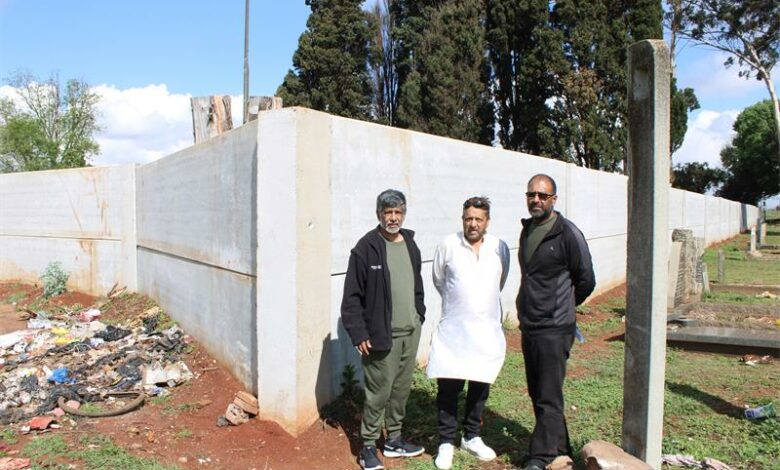
The Bakerton Universal Burial and Cremation Committee has raised concerns over an unauthorized wall erected at the Bakerton Cemetery in Springs, questioning whether municipal approval and community consultation were obtained.
Representative Jayesh Makan said construction started around February or March without prior consultation.
The cemetery serves as a community burial site, with sections used by different religious and cultural groups, including Muslim, Hindu and Christian communities.
Makan said the barrier has restricted movement between sections, affecting accessibility for elderly and disabled visitors, water supply and security.
He claimed that a water line serving the area had been blocked, forcing visitors to bring their own water.
Makan added that the wall reduced visibility across the facility, while allegations were made of damage to graves, as well as dumping.
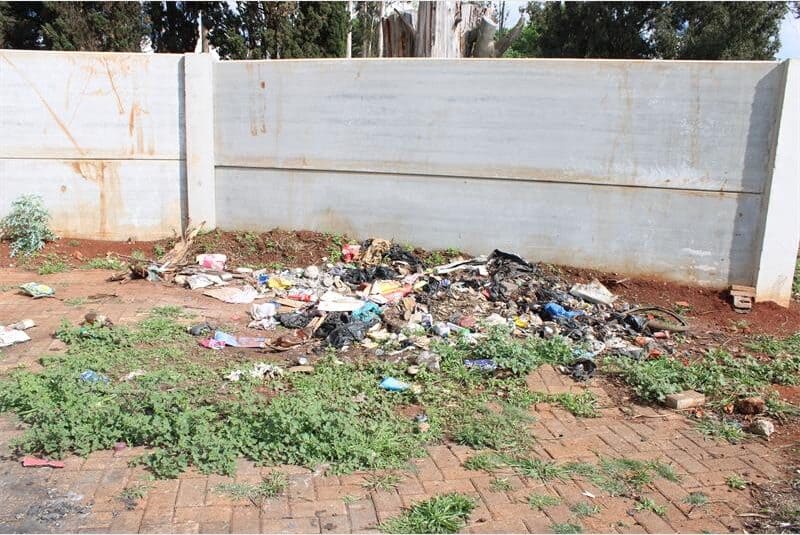
“All we want to know is how the wall was erected without municipal permission and without consulting with us as the community,” said Makan.
Makan explained that during a meeting with Ward 74 Clr Dean Stone and the cemetery manager, the manager confirmed the structure was under investigation and unapproved.
The matter was subsequently escalated to the mayoral office after the community said it had not received a response from municipal officials.
“We also tried to engage with the Springs Islamic Institute Burial Committee, which has not been fruitful, as we had a proposal for them to move the wall, but we have not received any responses,” he said.
Makan indicated that they are not opposed to distinct religious sections within the cemetery, but want the process handled transparently and respectfully.
“We have our loved ones buried here, so to have their resting place disturbed like this is sad, because we come here often and to see it like this is quite upsetting,” he said.
ALSO CHECK: Pops and Flames biking groups mark one year by giving back to Epilepsy SA
In response, Springs Islamic Institute Burial Committee representative Ahmed Choonara said the group built the structure at its own expense after the municipality cited a lack of budget.
Choonara said the committee has been maintaining the Muslim section after the municipality indicated that it lacked the funds to do so.
According to him, the cemetery experienced widespread vandalism of its surrounding precast wall, while visitors to the Muslim section had been targeted by crime.
He explained that the condition of the cemetery had become a concern, as its location along the main road created a negative impression for road users and visitors.
“We, as Muslims, are still using the Muslim section for burial and the vandalised state of the cemetery became a cause of concern,” said Choonara.
Choonara indicated that after receiving queries, the committee asked the city to replace the perimeter wall, but officials confirmed no work would happen in the foreseeable future due to funding constraints.
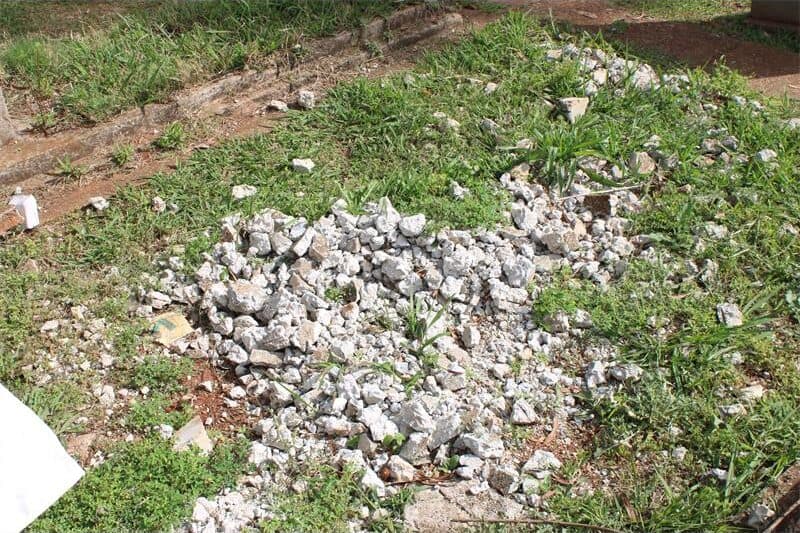
“Out of concern for the safety of the community and to make the cemetery aesthetically pleasing, our committee decided to go ahead with replacing the wall around the Muslim section, but at our own costs,” he said.
Choonara added that they offered to extend the barrier to other sections if those groups contributed, but received no buy-in.
According to him, construction took a few weeks, during which no formal objections were received regarding the wall from other community groups.
Choonara said care was taken to ensure existing graves were not encroached upon during construction. He clarified that the water outlet remains within the Muslim section of Bakerton Cemetery and that the committee continues to make the facility available to other faith groups.
He said the committee remains willing to extend construction to the Hindu section if funded, and offered security escorts during visits, noting that section had been unused for burials for a long period.
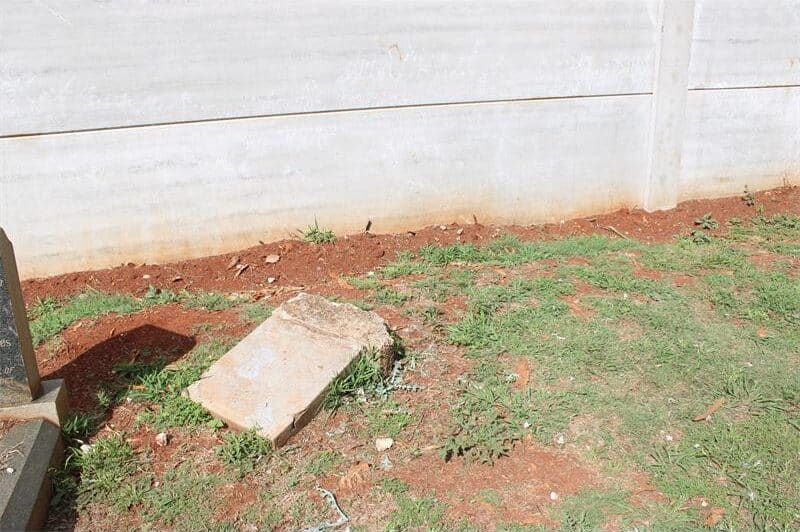
“We have met with the objectors as agreed to at our meeting at the community hall, but we are disappointed at their refusal to engage constructively,” said Choonara, adding that they remain open to further engagement.
The committee added that no incidents of crime or robbery have been reported since the wall was erected. City spokesperson Zweli Dlamini confirmed that the structure did not receive final municipal approval.
Dlamini said the matter was discussed with the Springs Islamic Institute Burial Committee on May 19, followed by further engagements with other stakeholders.
“The municipality’s current position is that no final municipal approval authorising the wall has been identified through the relevant Parks and Cemeteries processes,” said Dlamini.
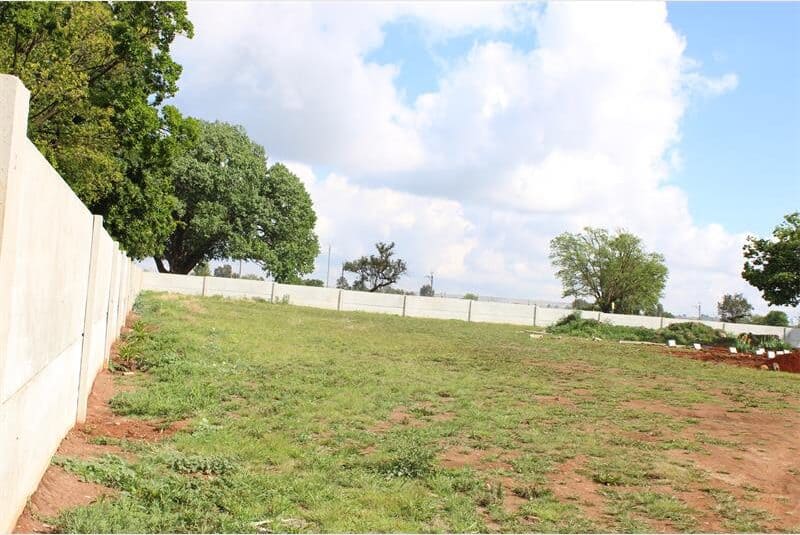
The city proposes keeping most of the wall while creating controlled openings and installing gates to restore access between sections.
Dlamini explained that the city is considering securing the cemetery’s outer perimeter to address security concerns and reduce the need for internal barriers between religious sections.
He added that concerns regarding water access would be assessed, while allegations of damage to graves or tombstones would need to be supported by evidence before being confirmed.
He said any changes to the wall would be subject to technical assessments and municipal approval processes.