The buzz about bees: Why these little pollinators matter so much
Why do bees sting, when should a swarm be removed, and how can you tell if your honey is the real deal. EHBA chairperson Pete Beart shares the answers.
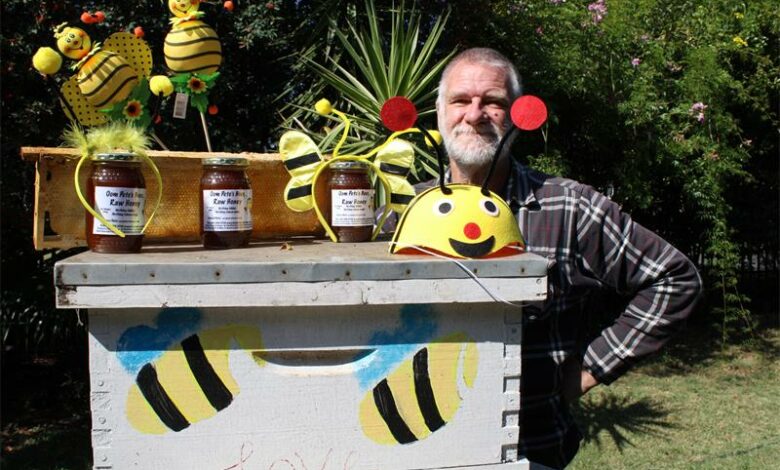
Honeybees play a vital role in our food chain environment, yet they are often misunderstood. From importance in pollinating agricultural crops to understanding why they sometimes become defensive, there is much to learn about these insects.
Chairperson of the Eastern Highveld Beekeepers’ Association (EHBA) Pete Beart shared valuable insights into bee behaviour, responsible beekeeping, the challenges facing local beekeepers and why protecting bees is so important for our future.
Why are honey bees so important to the environment, and what role do they play in maintaining a healthy ecosystem?
Honey bees have been declared one of the most important species on the planet. This is largely due to the reliance of intensive agricultural farming to feed our increasingly populated world.
Without honey bees to pollinate commercial crops, many fruits would not only look physically different, but would also be in very short supply.
What are some of the biggest misconceptions people have about bees, and what would you like the public to understand about them?
Bees have no interest in stinging people, and would much rather avoid us.
However, people provide an overwhelming supply of waste sweet foodstuffs. Cultivated and watered gardens are also an attractive source of sustenance.
Bees will defend themselves, just as people do when threatened. That threat could come in the form of a swatting hand or a can of insecticide.
What should residents do when they discover a bee swarm or hive on their property, and why should they avoid trying to remove it themselves?
We can certainly live alongside bees in our gardens, and we have done so for many thousands of years. The location of a swarm, however, can influence how easily we can coexist with it. If bees settle in a high-traffic area, they can become a problem and should probably be removed professionally.
In a confined space, such as a water meter box, their growth is limited. In a roof or wall cavity, however, a colony can grow to a considerable size. Bees can display a strong collective defensive response.
The larger the hive becomes, the more defensive the colony can be. This is because there is more brood (developing young bees) and more food to protect.
What does the Eastern Highveld Beekeepers Association do to promote responsible beekeeping and educate the public about bees?
EHBA encourages all local beekeepers to join the association and help promote responsible beekeeping. We hold monthly meetings where the latest research and observations are discussed.
One particularly relevant topic at present is the effect of increased heat and dryness resulting from El Niño, and how these conditions are affecting bee behaviour. We have also had numerous articles published recently concerning the effects of El Niño on bees.
One of the main reasons for hosting the Honey and Bee Show is to educate the public. The observation hive at Heckers, sponsored by EHBA, is another initiative aimed at increasing public awareness and understanding of bees.
What are some of the challenges facing beekeepers in South Africa, and how can ordinary residents support the local beekeeping industry?
One of the challenges facing professional beekeepers is the importation of honey and honey-like products from overseas. South Africa currently produces only around one-third of the honey it consumes, so importing genuine honey is necessary.
However, consumer demand for cheaper alternatives has also created a market for inexpensive sugar syrups, which are imported and sold using potentially misleading labels. The public is warned to read the labels on the honey products they purchase carefully.
Terms such as “B honey” and “honey flavoured syrup” are commonly found on packaging. The only ingredient in genuine raw honey is raw honey. If the ingredients list on a bottle contains anything other than raw honey, then it is not 100% raw honey.
We recommend supporting local beekeepers, not only to support local businesses but also because buying directly from a local beekeeper provides greater assurance that you are getting genuine, raw honey.
However, always read the label to make sure you know exactly what you are buying. Choice-grade honey, while still potentially being genuine honey, is permitted under local legislation to be heated, filtered and blended.
Most small local beekeepers do not, and would not, process their honey in this way, preferring to preserve its natural qualities.
Finally, intensive agricultural practices, driven by the need to feed our growing population, place enormous demands on honey bees and the beekeepers who manage them. The pressure of providing pollination services can often be to the detriment of the bees themselves.