
Springs transport business operator speaks out on impact of petrol increases
Increasing petrol prices have forced fare hikes and reduced profits for operators.
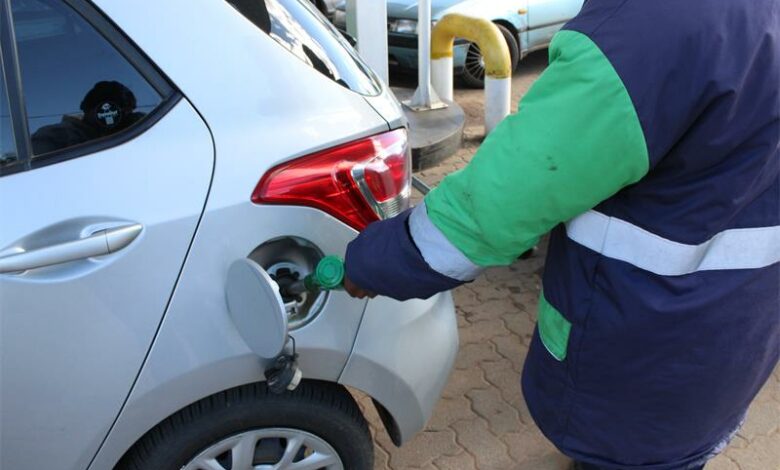
Petrol price hikes across the country have dented many motorists’ pockets.
A local transport business operator, who wished to remain anonymous, who transports workers to Brakpan, shared with the Springs Advertiser that recent petrol price increases have severely affected his business.
He explained that the hikes have immediately cut into his income, and his commuters are also struggling because salaries remain the same while food, rent, electricity and transport costs continue to rise.
With the high petrol costs, he was forced to slightly increase transport fares just to survive.
“Unfortunately, commuters are frustrated because they are already under pressure financially. Many understand the situation, but others become angry because transport is something they cannot avoid,” shared the man.
ALSO READ: Gauteng Health celebrates nurses and investment in nursing education
He explained that the fuel is the biggest financial pressure, with most of the daily earnings now going straight back into the tank.
He also indicated that vehicle maintenance, tyres, servicing and spare parts have also become more expensive. Sometimes, after expenses, the profit left is very small.
“The rising fuel costs have affected the number of trips we make and sometimes even the routes we choose.”
“We now think carefully before driving long distances or taking less profitable trips because fuel consumption has become too expensive,” he said.
As most of his commuters are working class, he shared that they are the ones who are struggling; he cited that many people now budget tightly just to get to work every day.
He added that some reduce the number of trips they take, while others walk longer distances to save money. The man shared that some commuters already struggle to afford transport to work.
ALSO READ: Solidarity helping hand promotes early learning through new book
“You can see it when people negotiate fares, delay trips, or ask drivers to allow them to pay later. The pressure on ordinary people is very visible.”
He fears that there will come a point when transport operators can no longer survive without sharply increasing fares, which will hurt commuters even more.
He wishes to inform the government that fuel price increases affect both transport operators and ordinary citizens directly.
“Transport is linked to everything in the economy. When fuel prices rise sharply, food prices, transport costs, and the general cost of living all increase.
“Government needs to seriously consider relief measures because working-class people and small transport operators are under extreme pressure,” he concluded.