
Springs SPCA urges pet owners to protect animals from winter dangers
The Springs SPCA is urging pet owners to bring animals indoors, provide proper shelter and watch for signs of hypothermia as winter temperatures continue to drop.
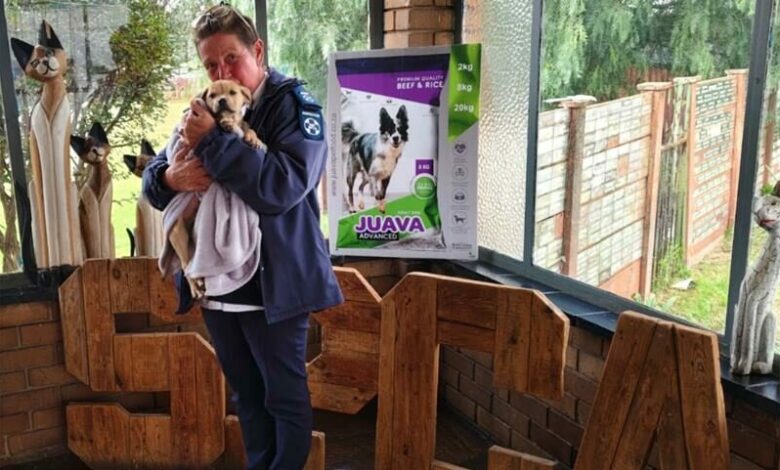
As winter temperatures continue to drop across Gauteng, the Springs SPCA is urging pet owners to take extra precautions to keep their animals safe, warm and healthy.
SPCA manager Annecia le Roux told the Springs Advertiser that one of the biggest misconceptions is that pets can cope with the cold simply because they have fur.
“The biggest danger is the misconception that animals are built for the cold because they have fur. It gets incredibly cold, especially overnight, and pets are vulnerable to hypothermia and frostbite, particularly on their ears, paws and tails,” she said.
Le Roux warned that another common winter hazard involves cats and other small animals seeking warmth in car engine bays.
She explained that outdoor cats and small animals frequently crawl into car engine bays to escape the freezing wind. If the car is started while they are inside, it can lead to horrific, often fatal injuries.
She said the best way to protect pets from the cold is to bring them indoors whenever possible.
ALSO READ: Make your Mandela Day minutes count by donating blood
“If it is too cold for you to sleep outside on the grass with a light jacket, it is too cold for your pet.”
Where pets must remain outdoors, owners should provide a weatherproof kennel raised off the ground, sheltered from the wind, and lined with thick, dry bedding.
She also encouraged regular veterinary check-ups, as cold weather can worsen existing health conditions.
Le Roux highlighted common mistakes pet owners make during winter, including allowing bedding to become damp.
“Blanket-filled kennels are great, but if rainwater or morning dew gets in, those wet blankets actually strip body heat away faster than no blankets at all. Bedding must be checked and changed daily.”
ALSO READ: Community invited to restore Springs Civic Theatre precinct on Mandela Day
She added that many people wrongly assume that large dogs with short coats can tolerate freezing temperatures, and that breeds without thick undercoats freeze just like humans do.
She shared that pet owners should also watch for warning signs that their animals are too cold.
These include persistent shivering, hunching over with a tucked tail, lifting paws off the cold ground, unusual lethargy, seeking constant warmth and showing signs of anxiety or distress.
For pets that spend most of their time outdoors, Le Roux recommends raising kennels off the ground using wooden pallets, positioning entrances away from prevailing winds and checking water bowls regularly to ensure they have not frozen.
She explained that winter also affects pets’ feeding, exercise and medical needs.
She cited that outdoor animals burn more calories trying to stay warm and may require slightly larger food portions, while indoor pets that are less active may need less food to avoid weight gain.
ALSO READ: Vischkuil CPF says burst pipe and damaged road delayed access to house fire
Le Roux expressed that walks should be scheduled during the warmer parts of the day, and owners of older pets should consult their veterinarian about arthritis or joint pain rather than using human medication.
Each winter, the SPCA deals with numerous cases of animals suffering from hypothermia after being left chained or confined without adequate shelter.
“We also see animals with burns from getting too close to open fires or heaters and stray animals that have escaped while searching for somewhere warm to hide,” said le Roux.
She stressed that blankets and kennels alone are not always enough. Senior pets, young puppies and kittens, as well as sick animals, often need to be kept indoors in a temperature-controlled environment.
Short-haired breeds may also benefit from well-fitted pet jerseys, provided they are supervised and the clothing does not become wet or snag on objects. Le Roux also cautioned owners to be careful when using heaters, braziers and fireplaces.
“Never leave an animal unattended in a room with an active heater, open fireplace or brazier. Animals often move too close to heat sources without realising they are being burnt.”
She advised using safety guards on heaters, keeping braziers out of reach and ensuring pets cannot chew on electrical cords.
If members of the public find a stray animal exposed to the cold, Le Roux said they should move it to a warm, dry and secure area if it is safe to do so, provide fresh water and contact their nearest SPCA or animal welfare organisation.
Injured or severely distressed animals should be reported immediately to the SPCA’s after-hours emergency standby service.
“Pet ownership is a lifelong commitment to protection. Winter isn’t something animals just get through.
“It requires active management from you. If you are wrapping up in layers and turning on heaters, remember that your pets rely entirely on your choices to stay safe, warm and comfortable,” concluded le Roux.