
Traveling overseas with children? Not so fast!
In 2015 changes were made to South Africa’s legislation pertaining to the movement of children (persons under the age of 18) in to and out of South Africa
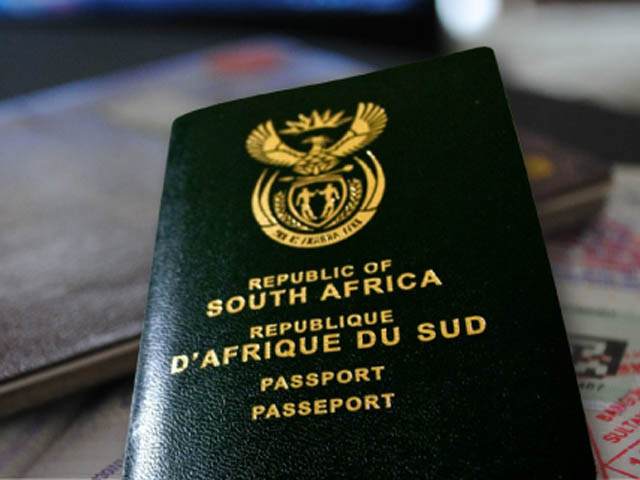
In 2015 changes were made to South Africa’s legislation pertaining to the movement of children (persons under the age of 18) in to and out of South Africa; these changes were made in response to growing international pressure enacted on South Africa to comply with the fight against human trafficking. In May of 2013, Margaret Stafford, the coordinator for the Salvation Army’s anti-trafficking campaign, reportedly told The Star that “…in 2010, we had 20 000 to 30 000 children prostituted – now the figure stands at 45 000.”
The new laws regulating the movement of children in to and out of South Africa are multi-faceted and have stirred-up a great deal of unnecessary confusion. The newly enacted amendments state the following:
Where two parents are traveling with their own child, such parents must produce an unabridged birth certificate of the child reflecting the particulars of the parents of the child. Parents of adopted children are to provide proof of adoption by means of an adoption certificate. These regulations apply to all travelers, foreign as well as South African; on departure as well as arrival. In the case of foreign countries that do not issue unabridged birth certificates, a letter to this effect issued by the competent authority of the foreign country should be produced. All documents must be original or copies certified as a true copy of the original by a commissioner of oaths or the equivalent commissioning authority.
ALSO READ
Department of Home Affairs implements new birth certificate travel requirements for minors
Where a parent is traveling alone with his or her child, without the other biological or adoptive parent present, the parent who is traveling with the child must produce an unabridged birth certificate of the child reflecting the particulars of the parents of the child, consent in the form of an affidavit from the other parent registered as a parent on the birth certificate of the child authorizing him or her to enter into or depart from the Republic with the child he or she is traveling with (the affidavit may not be older than 3 months, dating from the date of travel) or a court order granting full parental responsibilities and rights or legal guardianship in respect of the child, if he or she is the parent or legal guardian of the child, or where applicable, a death certificate of the other parent registered as a parent of the child on the birth certificate or in the case of legally separated parents, the parent who is traveling with the child should provide a court order when the other parent does not give consent.
Where a person is traveling with a child who is not his or her biological child, he or she must produce a copy of the unabridged birth certificate of the child, an affidavit from the parents or legal guardian of the child confirming that he or she has permission to travel with the child, copies of the identity documents or passports of the parents or legal guardian of the child and the contact details of the parents or legal guardian of the child.
Any children who are traveling without an adult need to produce the following when requested to do so by an immigration officer; proof of consent from one of or both his or her parents or legal guardian in the form of a letter or affidavit for the child to travel into or depart from the Republic (provided that in the case where one parent provides proof of consent, that parent must also provide a copy of a court order issued to him or her in terms of which he or she has been granted full parental responsibilities and rights in respect of the child), he or she must produce a letter from the person who is to receive the child in the Republic, containing his or her residential address and contact details in the Republic where the child will be residing, he or she must also provide a copy of the identity document or valid passport and visa or permanent residence permit of the person who is to receive the child in the Republic and finally, he or she must produce the contact details of the parents or legal guardian of the child.