
The importance of vaccinating
The first form is pulmonary AHS which is characterized by high fever, depression and respiratory symptoms.
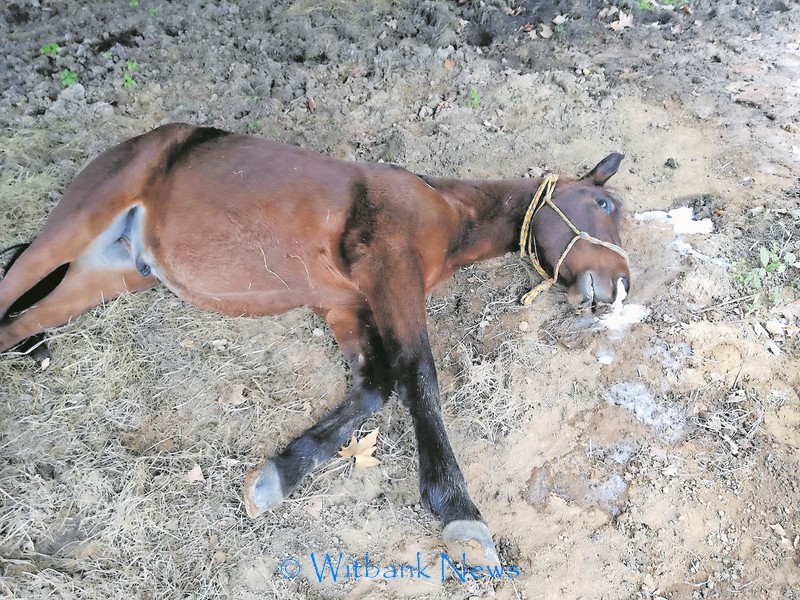
AHS is a highly infectious and deadly disease caused by the African horse sickness virus.
It commonly affects horses, mules and donkeys.
This disease is spread by insect vectors.
The biological vector of the virus is the Culicoides (midges) species.
However, this disease can also be transmitted by species of mosquitoes including Culex, Anopheles, and Aedes, and species of ticks such as Hyalomma and Rhipicephalus.
Horses are the most susceptible host with close to 90% mortality of those affected (meaning , followed by mules (50%) and donkeys (10%).
African donkeys and zebras very rarely display clinical symptoms, despite high virus titres in blood, and are thought to be the natural reservoir of the virus.
AHS manifests itself in four different forms.
The first form is pulmonary AHS which is characterized by high fever, depression and respiratory symptoms.
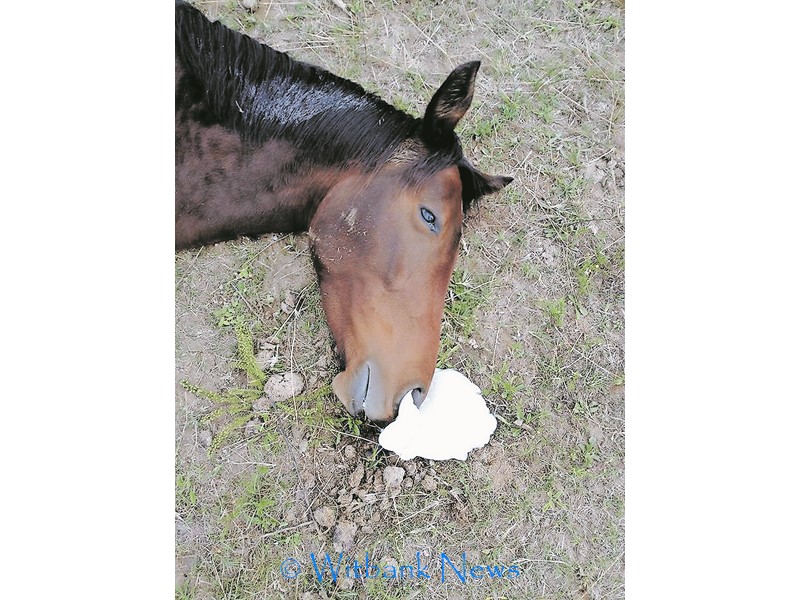
The clinically affected animal has trouble breathing, starts coughing frothy fluid from nostril and mouth, and shows signs of pulmonary edema within four days.
Serious lung congestion causes respiratory failure and results in death in under 24 hours.
This form of the disease has the highest mortality rate.
The second form of AHS is cardiac which is the subacute form of the disease.
It has an incubation period longer than that of the pulmonary form.
Signs of disease start between seven to twelve days after infection.
High fever is a common symptom.
The disease also manifests as conjunctivitis, with abdominal pain and progressive dyspnea.
Additionally, edema is presented under the skin of the head and neck, most notably in swelling of the supraorbital fossae, palpebral conjunctiva, and intermandibular space.
Mortality rate is between 50 and 70%, and survivors recover within seven days.
The third form of AHS is called the ‘horse sickness fever form which only affects African zebras and donkeys, who act as a host for the disease.
The final form of AHS is the mixed form – which combines symptoms from both the pulmonary and the cardiac forms.
The best way to protect animals from AHS is to decrease their exposure to biting midges and other insects (such as mosquitoes and biting flies).
Stabling horses in insect-proof housing, particularly between dusk and dawn when the insects are most active, can help prevent exposure.
Insect repellents and insecticides may also be useful.
Monitor your horse’s temperature.
Horses with fevers should be examined by your veterinarian.
Currently, vaccination seems to be the best method of managing the disease using the following procedure: First vaccinate in the correct season (late spring to early summer).
Vaccinate at the correct age, which is six months for foals born from vaccinated mares, and at any age if you’re unsure of the history of the mare.
The vaccine needs to be administered annually by a veterinarian.