
Heritage cannot survive without being passed on, says traditional leader
The Govan Mbeki Traditional Council chairperson says preserving heritage requires communities to pass cultural knowledge and traditions on to younger generations.
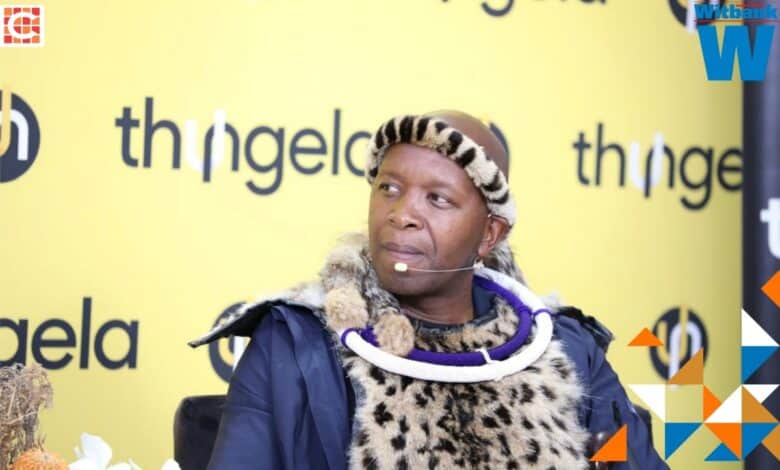
The preservation of culture and heritage requires active participation from both elders and young people, according to Ndabezitha Mphikeleli Joseph Mthimunye, chairperson of the Govan Mbeki Traditional Council.
Mthimunye participated in a webinar hosted by Thungela under the theme ‘Preserving Our Heritage’ on September 30. The webinar featured a conversation between Mthimunye and Chief Bruno Kakora, while Thungela’s Mpumi Sithole also took part in the discussion. The webinar explored ways to safeguard cultural traditions, values, and legacies for future generations.
After the webinar, Mthimunye spoke to Witbank News about the challenges facing heritage preservation and the role communities must play in keeping their cultures alive.
Elders carry duty to teach
He agreed that Heritage Day is no longer celebrated in the way it was intended, noting that many young people now associate the occasion more with social gatherings and alcohol consumption than with learning about their cultural roots.
However, Mthimunye said the younger generation should not be blamed for losing touch with their heritage.
Instead, he believes older generations have a responsibility to pass on cultural knowledge and traditions.
“When young people do not know their culture, we must ask ourselves whether enough was done to teach them. Those who came before them have a responsibility to pass on what they know,” he said.’
READ MORE: Kwa-Guqa Run and Walk unites eMalahleni
Resource shortages hinder school outreach
Mthimunye used language as one of the clearest examples of cultural heritage that is at risk if it is not actively taught and practised. He urged parents, elders and community leaders to take part in initiatives that help young people remain connected to their roots.
Responding to whether traditional leaders are doing enough to preserve culture, Mthimunye admitted that more could be done, but pointed to limited resources as a major obstacle.
“The number of schools near traditional leaders is huge. When we talk about resources, travelling is one of the main challenges. Leaders could visit schools more often if it were possible,” he said.
He also expressed concern that changes in the education system have contributed to some young people becoming disconnected from their heritage.
Language defines Ndebele identity
While acknowledging that society continues to evolve, Mthimunye stressed that certain aspects of culture should never be compromised.
“One of the things that should never be compromised is language. Language is what makes the Ndebele people who they are,” he said.
He added that future generations should also understand the institution of traditional leadership and the principles surrounding it.
Mthimunye concluded by calling on communities, schools, traditional leaders and families to work together to ensure that cultural values, languages and customs are preserved and passed on to future generations.
It was culture on display at the Corridor Hill Residence Heritage celebration. WITBANK NEWS captured some talents in action Check out photos here: https://t.co/rqRESAgQKd
— WitbankNews (@WitbankN) October 2, 2026