I Do

“One word
Frees us of all the weight and pain of life:
That word is love.”
― Sophocles
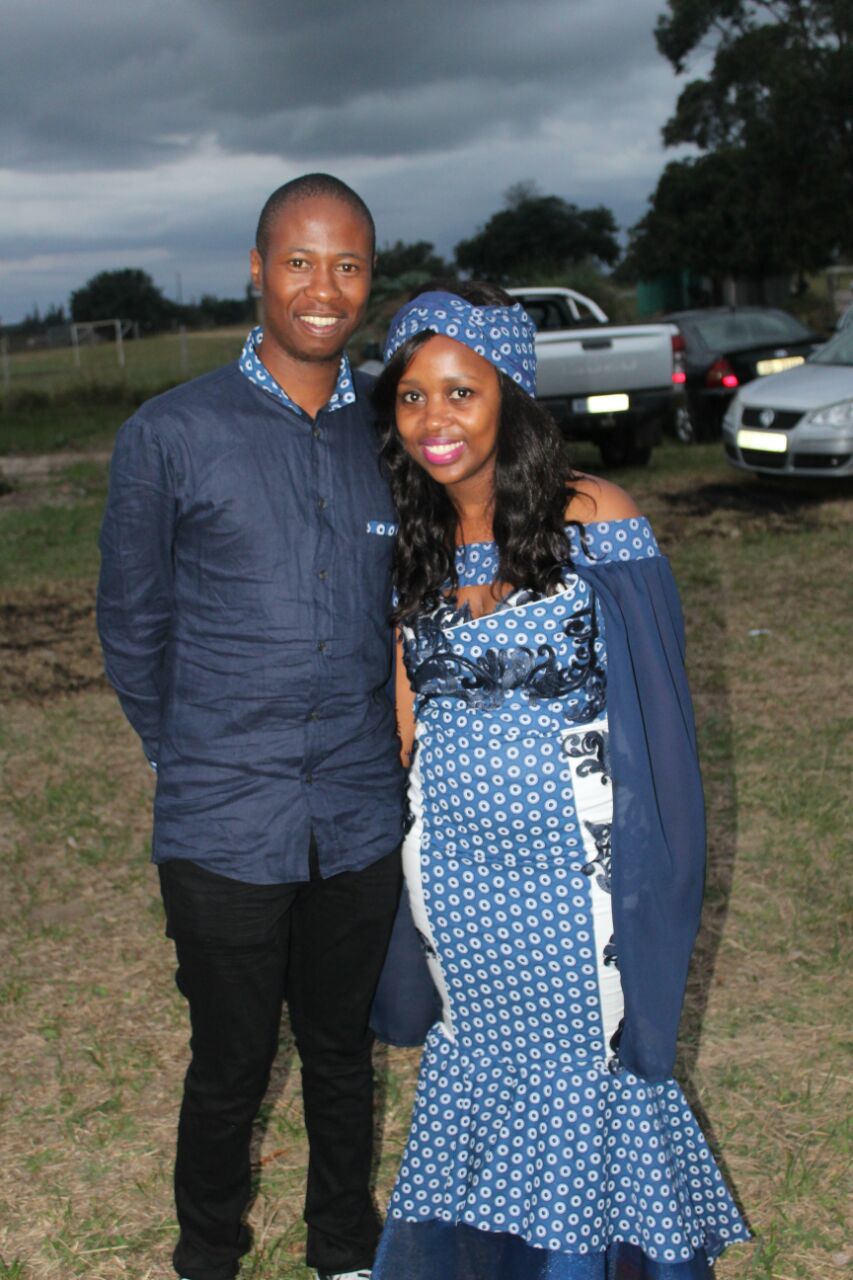
Traditional Zulu Weddings
THERE is an interesting amalgamation of the western ‘white wedding’ as well as the traditional ‘umabo’ or Zulu wedding in modern times.
This generally involves the ‘white wedding’ ceremony in the morning and then on to the traditional ceremony later in the day or at a later stage as finances allow.
When a Zulu woman is ready for marriage, her father arranges a ceremony to introduce her to society and makes this status formally known.
While the would-be bride is able to choose her future husband, nothing is finalised until the lobola is negotiated and her value in head of cattle decided.
The lobola allows the groom to show his appreciation for his future family, acknowledging he is ‘taking’ the bride away from her family and, when done correctly, is a way to unify both families.
Once lobola has been agreed upon, ‘ukubona izinkoma’ happens – this is a process whereby both families must decide on a date for the wedding.
Then the preparation begins, initiated by the bride’s family who will slaughter a goat to alert the ancestors about the approaching nuptials.
The groom’s family will do the same, but as a way to welcome the bride into the family.
As with so many Zulu traditions, the ceremony is colourful and vibrant.
On the day of the ceremony, the bride is decorated in a host of cultural adornments, including a beaded veil, red and white ochre, and an assegai pointed upward to denote her virginity.
There is a ritual dance competition by both families which is a real ceremony highlight as well as the traditional slaughtering of the cow by the groom.
The bride will give many gifts in the form of blankets to her new family – ‘ukwaba’ – which the family will use to cover themselves while spectators ululate, sing and dance for the family.
Indian Wedding Traditions
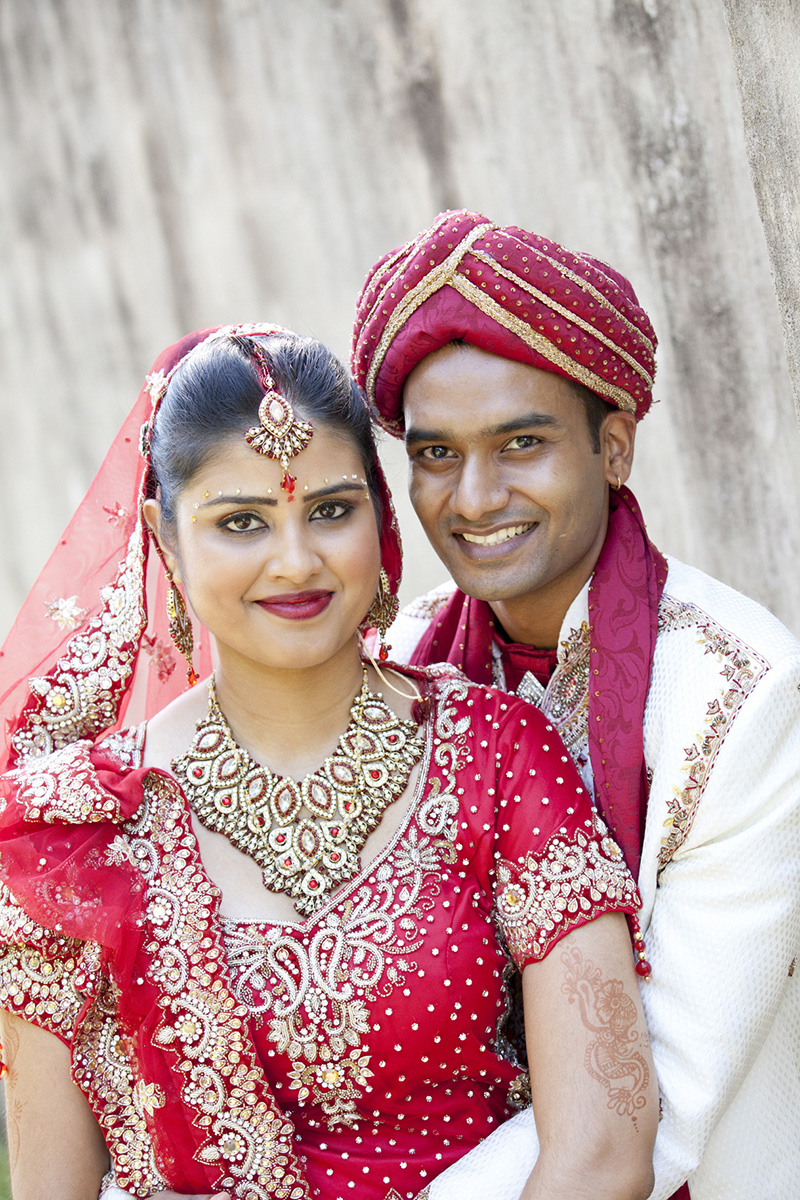
INDIAN religious and cultural ceremonies – especially the wedding celebration – are expressed through vibrancy of colours.
When it comes to clothing, Indian brides tend to lean towards the deep reds, burnt oranges and, of late, pastel colours for the sari – a traditional Hindu garment. They also wear bold make-up and jewellery, including the Mangtikka jewel on the forehead.
The groom, too, is adorned in colour, and often wears a floral turban.
Most Indian weddings last three days, although celebrations begin a few days before, and there are many accompanying ceremonies.
The Mehendi ceremony is held on the second day before the wedding.
Here intricate patterns are drawn in henna on hands and feet.
The Haldi ceremony involves spreading a mixture of oil, water and turmeric over the couple.
This is to fend off evil spirits from affecting the bridal couple.
On the wedding day, the Hindi groom ties a mangalsutra around the bride’s neck and applies the sindoor on her forehead.
For a Tamil couple, the groom ties a taali around the neck of his bride and she is further adorned with toe rings.