European citrus export threat
Thirty-five citrus shipments found to be contaminated this year
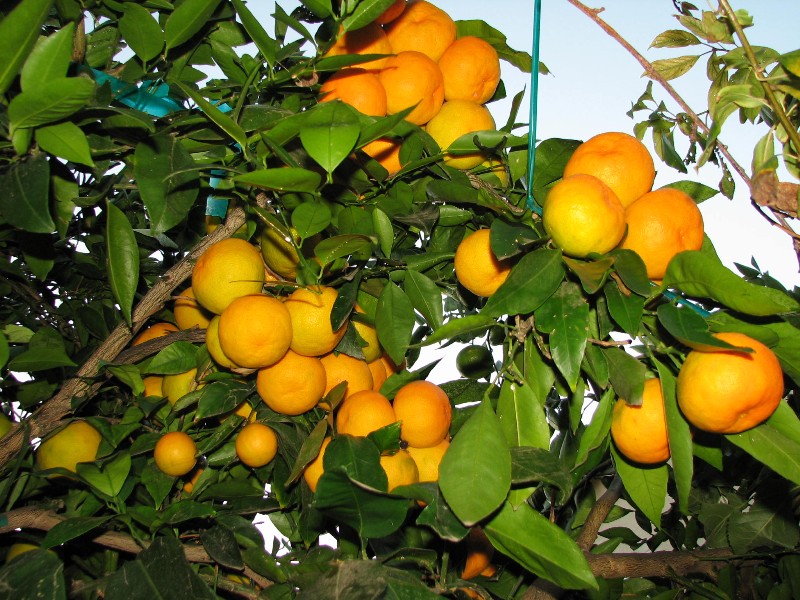
CITRUS Black Spot (CBS) could lead to the banning of SA citrus exports to the European Union (EU).
The South African ambassador to Belgium, Mxolisi Nkosi, said in June that the EU wanted to stop some imports from South Africa, which included citrus fruit.
About 40 percent of South Africa’s citrus exports go to the EU, making it one of the country’s most important markets.
The CBS is a fungal disease that affects the external appearance of fruit.
In 1993 the EU declared CBS a phyto-sanitary concern, meaning it was placed on a trade watch-list at EU borders.
If spotty fruit is found, the consignment is impounded.
The Citrus Growers’ Association of Southern Africa said that spraying, replanting earlier than necessary, inspection costs and storage costs for impounded fruit at EU ports are some of the expenses now being borne by the industry due to the EU measures. A delegation from the Department of International Relations and Co-operation are in Brussels for urgent bilateral talks and political engagement with the EU.
Thirty-five citrus shipments were found to be contaminated with the fungal black spot disease this year.
European growers fear that the disease may spread into their citrus groves, but research in South Africa has shown that the disease does not survive in Mediterranean climates as experienced in the Western Cape, says CEO of the National Fresh Produce Exporters Forum, Anton Kruger.
Chairperson of the Citrus Growers Association, Pieter Nortje, is optimistic that a solution will be found.
Although the ban would be largely symbolic, as it would only apply to this year’s South African citrus harvest which ended in October, negotiations need to be on track for next year’s crop.
The industry, worth $1.3-billion, sees South Africa exporting about 600 000 tons of citrus fruit, mainly oranges, lemons, limes and tangerines to the EU each year.
It is the main source of orange juice consumed by consumers in Britain, Germany and France during the European summer months.