
IN nature it is common for the weak to be killed off by the stronger, and as in the case of old or injured antelope which are killed by predators, so too sick trees can succumb to insect attack.
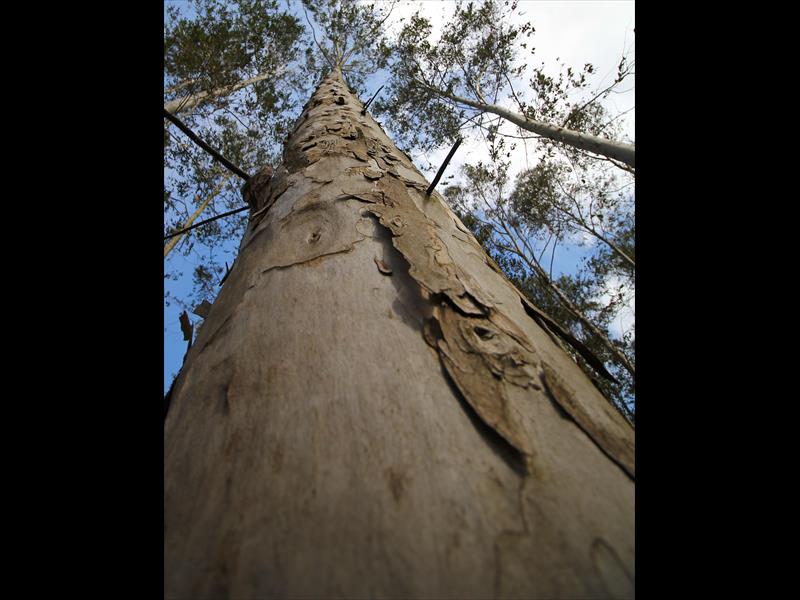
This is the case with the Eucalyptus or gum trees growing along the coast in Zululand.
The public will, however, have noticed that only some trees are dying.
To the untrained eye, this would seem odd, but it is only certain varieties which are being attacked by several ‘bugs’.
Already fighting off the Leptocybe invasa (Blue Gum Chalcid wasp), the trees are now also being attacked by Thaumastocoris pergrinus (Bronze Bug).
The bio-control agent Selitrichodes neseri was released at various sites in Zululand to fight the Blue Gum Chalcid wasp last year in September.
From the Forestry and Agricultural Biothechnology Institute (FABI), based at the University of Pretoria, monitoring data shows that S.nerseri has established well and is spreading throughout the area.
The impact of the bio-control agent on the population of L.invasa still needs to be assessed and will take some time until the impact is noticeable, owing to the large populations of L.invasa present and the delayed time to observe the impact of the bio-control agent.
Parasitised galls will only result in fewer galls in the next generation.
Most of the releases this summer will focus on southern KZN and Eastern Cape where S.neseri has not yet been released, but there will still be some further releases in areas of Zululand.
The Bronze Bug
Thaumastocoris pergrinus is also being controlled by the bio-control agent Cleruchoides noackae which has been released in 27 sites throughout South Africa, including Zululand.
These releases have followed six years of research at FABI before a release permit was granted by the Department of Agriculture.
Monitoring and assessing the effect of the C.noackae on the health of the trees will be on-going, but at this stage is still difficult to comment on.

Substitute specie
There is, however, not much seed or growing material available for large scale plantings at this stage.
Those forestry compartments which are affected are being felled and the timber is still usable, but the stripping of the bark is very difficult and is sometimes rejected by the mills.
Meanwhile, many foresters are moving away from Eucalyptus species to Corymbia henryi, commonly known as the Large-leaved spotted gum.
It is resistant to these pests and grows well in the region.