Dental treatment for Ezemvelo KZN Wildlife anti-poaching dogs
Dogs use their mouths for much more than just eating
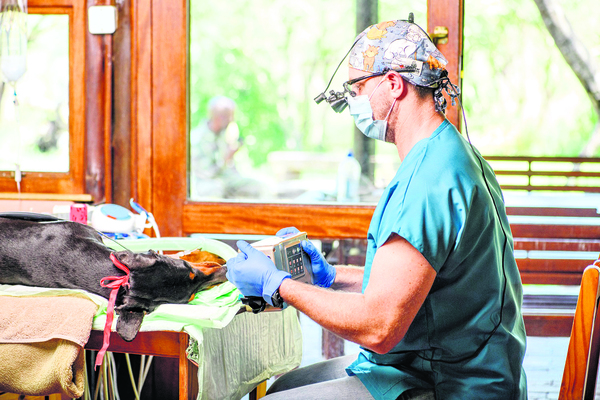
Unhealthy teeth can hamper anyone’s abilities, but even more so for the anti-poaching dogs of the Ezemvelo Canine Unit (ECU).
Dogs use their mouths for much more than just eating; they use them to play, explore and ‘taste’ their surroundings.
ALSO READ: South Africans urged to help Ukraine’s animal victims.
For the anti-poaching dogs of the ECU, good oral hygiene is vital as it helps maintain their scenting ability.
The ECU specialises in cold scent tracking and operates in Hluhluwe-iMfolozi Park (HiP) and the uMkhuze Game Reserve within iSimangaliso Wetland Park.
The dogs, three of which recently underwent dental procedures, are a significant part of the team combatting rhino poaching.
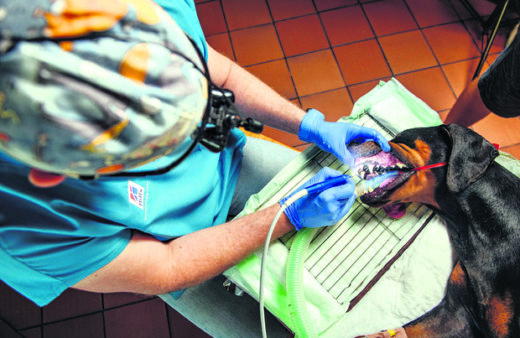
The procedures took place at HiP and involved a full health check, dental prophylaxis, including scale and polish, as well as survey dental radiographs.
Two of the three dogs also needed a canine tooth restoration.
The procedures, performed by veterinarian Dr Patrick Liversage, were made possible through a donation from Hill’s Pet Nutrition to conservation NGO Wildlife ACT.
Dennis Kelly said the ECU plays a crucial role in anti-poaching efforts.
‘This unit has improved our response capability to poaching threats and enables us to apprehend poachers before rhino are killed,’ he said.
By age three, over 80% of dogs have some form of dental disease.
If left untreated, dental disease has serious consequences as bacteria in the plaque can enter the bloodstream and spread to the heart, kidneys and liver.
‘As the severity of dental disease progresses, it can cause loss of teeth as well as swelling, pain, and inflammation in the nasal passages.
‘The tracker dogs rely on their noses to perform their role in the anti-poaching unit. It is, therefore, imperative that we maintain optimal oral health to keep them working at their peak,’ said Dr Liversage.
The dogs, which are bloodhound-doberman cross breeds, are trained to follow tracks and can follow human scent that is up to six hours old.
Often working in challenging weather conditions over long distances, the overall health and fitness of the dogs is vital for their well-being, performance, and results.
‘These highly specialised dogs and their handlers have become powerful partners in wildlife protection and anti-poaching efforts. They form part of the wider conservation management practices in these parks,’ said Wildlife ACT MD Mark Gerrard.
Dr Guy Fyvie, veterinary advisor at Hill’s Pet Nutrition added, ‘Sustainability is of the utmost importance to Hill’s Pet Nutrition, and it is important that we support dog units such as these that are helping to protect our vital resources and the biodiversity of our heritage.’
HAVE YOUR SAY
Like our Facebook page and follow us on Twitter.
For news straight to your phone invite us:
WhatsApp – 060 784 2695
Instagram – zululand_observer