
Private companies granted access to State-owned freight rail network
Hopes pinned on private sector to boost freight rail operations, increasing tonnages
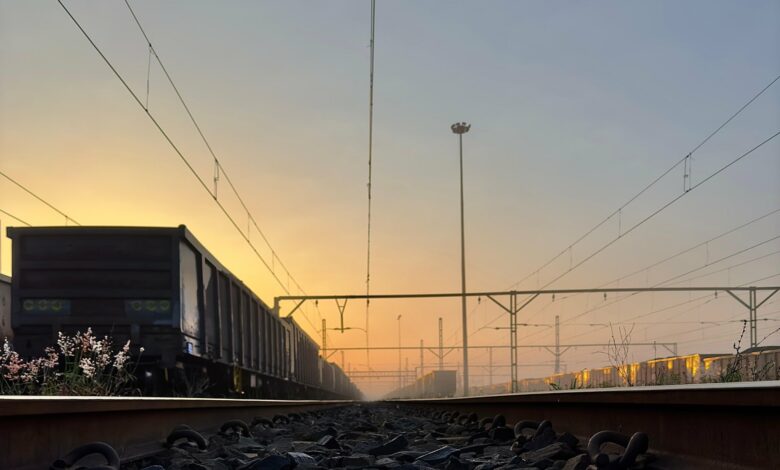
Government is moving ahead to boost its freight operations by opening up its rail network to private companies.
The announcement was made by Transport Minister Barbara Creecy on Friday, revealing that the 11 companies have met the necessary requirements and will proceed to the next stage of negotiations and contracting.
“Transnet, through its operating division Transnet Rail Infrastructure Manager (TRIM), has completed the adjudication process to select new Train Operating Companies (TOCs),” said Creecy.
“This is a significant step in our rail reform journey and makes open access to freight rail a reality in our country.
“It will contribute to a more efficient, reliable and sustainable rail system that can promote inclusive growth and ensure job retention and job creation,” she said.
It is estimated that the new train operating companies will carry an additional 20 million tonnes of freight per annum from the 2026/27 financial year.
This will supplement Transnet Freight Rail’s (TFR) forecasted volumes and contribute to government’s target of increasing freight moved by rail to 250 million tonnes per annum by 2029.
Background
Cabinet approved the National Rail Policy in March 2022, which lays the basis for third-party participation in the Transnet network while the infrastructure remains State-owned.
The Roadmap for the Freight Logistics System was approved by Cabinet on 8 December 2023.
This document gave the Interim Rail Economic Regulatory Capacity (IRERC) the mandate to manage the consultation process on Transnet’s draft network statement.
The first network statement and tariff determination were published on 20 December 2024, and the process for slots commenced promptly thereafter.
Eleven companies have been provisionally selected from 25 that had submitted applications.
The initial allocations, on a total of 41 routes and six corridors, are as follows:
• North Corridor: six new entrants, 15 routes for transportation of coal and chrome.
• Iron Ore Corridor: one new entrant, one route for transportation of iron ore.
• Cape Corridor: two new entrants, two routes for transportation of manganese.
• Northeast Corridor: six new entrants, 16 routes for transportation of coal, chrome, magnetite, fuel, containers.
• Central Corridor: one new entrant, two routes for transportation of coal, containers (manganese).
• Container Corridor: four new entrants, five routes for transportation of containers, coal, sugar.
Don’t have the ZO app? Download it to your Android or Apple device here:


HAVE YOUR SAY
Like our Facebook page and follow us on Twitter.
For news straight to your phone invite us:
WhatsApp – 060 784 2695
Instagram – zululand_observer