
‘Fryday’ across Zululand region as temperatures continue to soar
Maximum temperatures expected to sore to above 40 degrees Celsius in many parts of Zululand
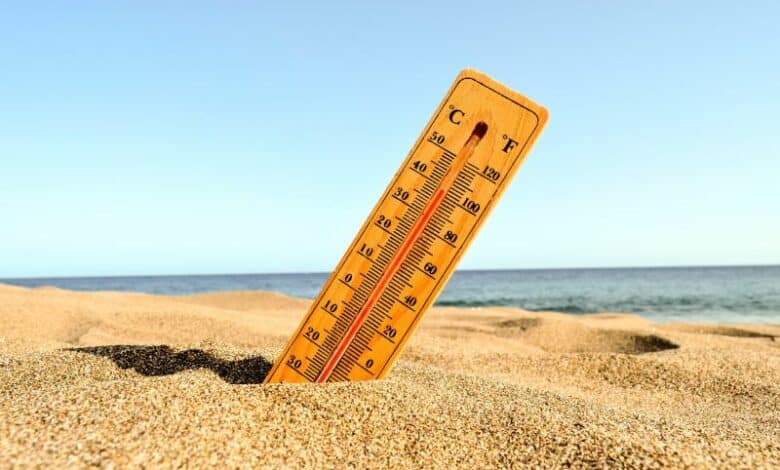
After a somewhat mediocre first part of summer across KZN and the Zululand region, Sizzle City is certainly living up to its name this week, as temperatures soar to the upper-30s, with a ‘real feel’ index of over 40 degrees Celsius.
All precautions must be taken this ‘Fryday’ as it’s set to be a scorcher, with the South African Weather Service (SAWS) issuing advisories for extremely hot conditions over northern KwaZulu-Natal.
“The long hot and humid spell (heat wave) is expected to extend to next week Friday, 13 February, with daytime temperatures soaring to the mid-30 degrees Celsius over the region,” said Dr Marshall Mdoka, senior lecturer and meteorologist at Unizulu’s Department of Geography and Environmental Studies.
“As for today [Friday], SAWS’ forecast of around 38/39 degrees Celsius is underestimated. Taking some localised effects into consideration, maximum temperatures will sore to above 40 degrees Celsius in many parts of Zululand.
“It is a health concern if one experiences prolonged exposure to the midday into afternoon very high temperatures. Members of the community are advised that due to these hot temperatures and humid weather, the body’s ability to induce cooling through sweating is reduced.
“People and animals may suffer from hyperthermia conditions such as heat stroke, heat exhaustion/stress, dehydration, heat cramps and heat rash.”
Heat exhaustion symptoms
• Blurred vision
• Increased irritability
• Dizziness, fast breathing or heart rate
• Anxiety and fatigue
• Headache/migraine, light-headedness or fainting
• Low blood pressure, muscle aches or cramps
• Weakness, nausea and vomiting
Heat stroke symptoms are similar to those of heat exhaustion but may also include
• Dry skin that doesn’t sweat
• Balance problems
• Delirium (confusion or disorientation)
• Hot, flushed skin or very pale skin
• Low or high blood pressure
• Seizures
“Members of the community, including workers, should exercise extra caution during the hottest parts of the day,” advised Mdoka.
“Civilians should drink lots of fluids (slightly salted but not caffeine or too much alcohol), avoid strenuous physical activity in these hot, humid conditions, stay indoors or in air-conditioned or well-ventilated areas, and wear lightweight, loose-fitting or bright-coloured (cotton) clothing and apply sunscreen if you’ll be out in the heat.
“Most importantly, never leave children or pets in closed, hot spaces such as cars, and ensure they drink appropriate fluids to avoid dehydration.”
Don’t have the ZO app? Download it to your Android or Apple device here:


HAVE YOUR SAY
Like our Facebook page and follow us on Twitter.
For news straight to your phone invite us:
WhatsApp – 060 784 2695
Instagram – zululand_observer